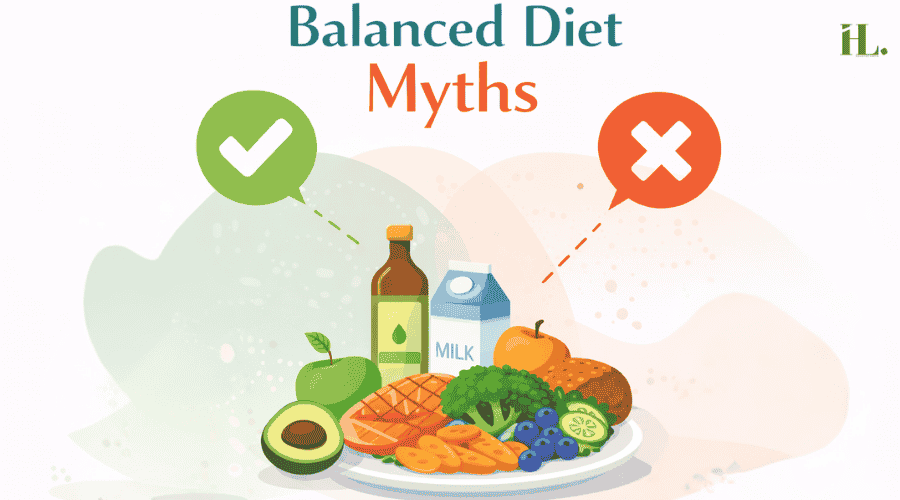
A Balanced Diet Nutrition Tips are less about strict rules and more about eating well in a way that fits your lifestyle, something I’ve learned firsthand through years of observing how small, realistic diet changes improve daily wellness. When people focus on nutrition as a long-term habit rather than a short-term fix, the overall health benefits become visible naturally, from better energy levels to steady weight management. Seeking professional advice at the right time can make these shifts easier, helping individuals manage weight, support disease prevention, and maintain health without feeling overwhelmed, because true progress often comes from simple choices that consistently feel good for health and support a more balanced, sustainable routine.
Table of Contents
- 1 What is a Balanced Diet?
- 2 Why a Balanced Diet Is Essential for Overall Health
- 3 Benefits of a Balanced Diet
- 4 Signs Your Diet Is Not as Balanced as You Think
- 5 Balanced Diet VS Fad Diet
- 6 Simple Balanced Diet Tips for Busy Daily Life
- 7 Common Balanced Diet Myths That Confuse People
- 8 Frequently Asked Questions
What is a Balanced Diet?
A balanced diet is about keeping the body well-fueled by eating diverse foods from various food groups in the correct proportions, without obsessing over a perfect meal. In real life, this means regularly including fruits, vegetables, whole grains, and lean proteins that provide essential nutrients like vitamins and minerals. When carbs, proteins, and healthy fats work together, they support steady energy and proper function. Over time, this balanced approach helps in preventing chronic diseases while staying realistic and sustainable.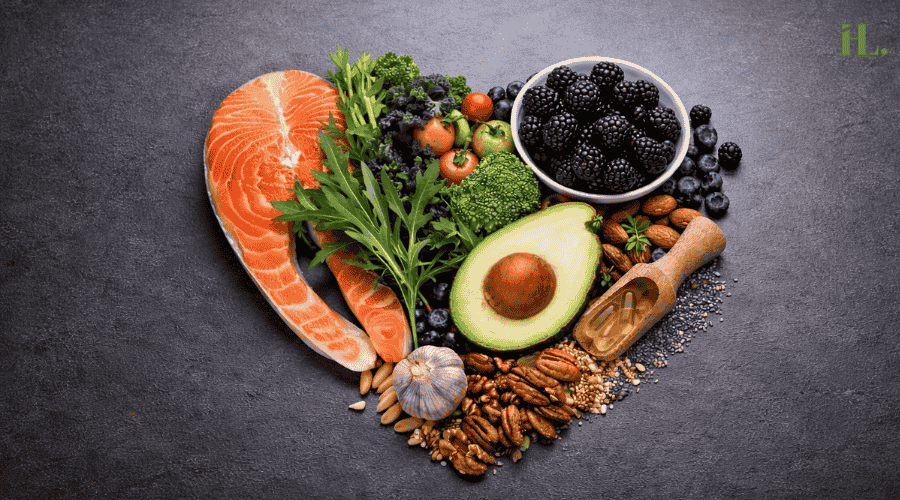
Why a Balanced Diet Is Essential for Overall Health
A balanced diet supports overall health by giving the body the essential nutrients it needs to function smoothly every day, something I’ve consistently seen in people who experience fewer energy crashes and less fatigue once their meals improve. When the body receives the right mix of macronutrients like carbs, proteins, and fats, along with vitamins and minerals, it can maintain energy balance, support optimal body processes, and naturally enhance daily performance and quality of life.
From practical experience, poor food choices and not eating a balanced diet often make the body more susceptible to infection and long-term disease, while balanced eating helps support immunity, improves resilience, and allows the body to sustain itself over time. A consistent balance of micronutrients also helps manage weight, reduce the risk of chronic diseases, and prevent the slow decline that occurs when nutrition gaps quietly affect physical and mental health.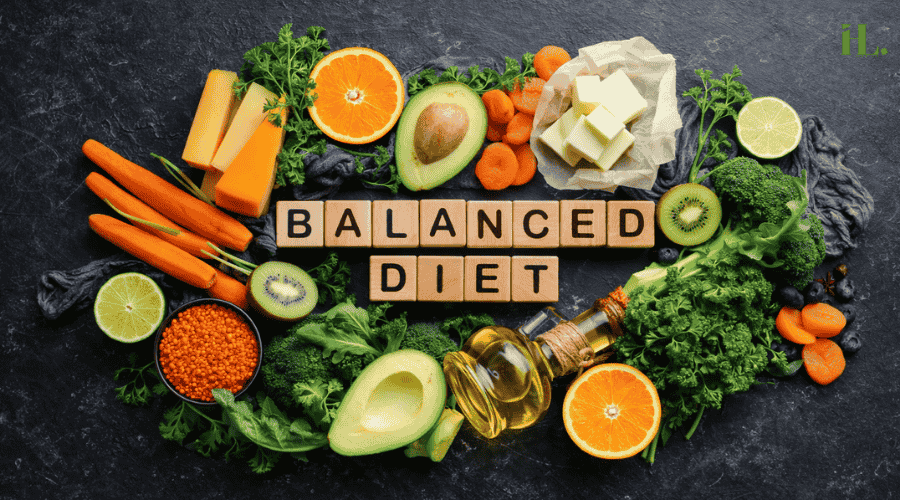
Benefits of a Balanced Diet
The real benefits of a balanced diet show up quietly in daily life, where healthy eating helps the body stay steady, improves mental focus, and supports heart health without dramatic effort. Over time, this balance creates a positive impact on body systems, forming the base of long-term wellness rather than short-term results.
Supports Heart & Cardiovascular Health
Daily food choices play a powerful role in heart health, where smart nutrition delivers ongoing cardiovascular support through fruits, vegetables, leafy greens, whole grains, and other fiber-rich foods that help stabilize cholesterol levels. In real-life practice, including healthy fats such as olive oil, nuts, and fatty fish, while limiting highly processed foods and excess sodium, supports blood pressure control, keeps healthy arteries resilient, and lowers the risk of heart disease and stroke over time.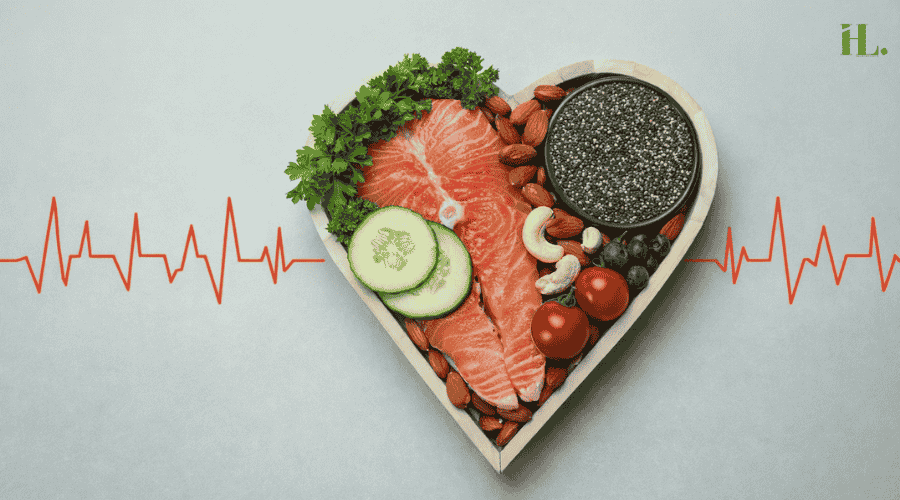
Helps Prevent Chronic Diseases
Smart food choices support overall health by improving metabolic health and shaping healthier dietary patterns over time. Regular intake of nutrient-dense foods, whole grains, vegetables, and antioxidant-rich foods like berries helps with cell protection, better blood sugar regulation, improved insulin sensitivity, and maintaining a healthy body weight, all of which contribute to disease prevention and reducing risk of chronic conditions such as heart disease, obesity, type 2 diabetes, and certain cancers, especially when paired with physical activity and supported by appropriate medical care.
Enhances Energy & Daily Performance
Reliable energy comes from how the body is fueling itself with balanced meals that include whole grains, protein, healthy fats, and fiber, helping stabilize blood sugar and avoid crashes linked to sugary snacks and quick fixes. Simple habits like spacing meals evenly, staying hydrated, and choosing foods such as fruit, nuts, eggs, yogurt, or whole-grain toast support slow digestion, sustained energy, better concentration, stronger endurance, and improved physical performance throughout the day.
Aids Digestive Health
Strong digestive health begins inside the digestive tract, where a balanced diet rich in fiber and dietary fiber from whole grains, fruits, vegetables, beans, and legumes supports effective digestion, smoother digestion, and consistent bowel movements by improving stool bulk, fiber movement, and overall regularity. In practice, adequate water intake and daily hydration provide essential hydration support that keeps the gut microbiome thriving with beneficial gut bacteria, helping maintain a healthy gut, enhance immune function, and promote inflammation control, something I’ve repeatedly seen improve comfort and long-term digestive resilience.
Supports Mental Health & Mood
What you eat strongly shapes mental health and daily mood, especially when meals supply steady nutrients that support healthy brain function. Regular balanced meals with whole grains, leafy greens, eggs, nuts, seeds, and fatty fish provide omega-3 fatty acids, B vitamins, and magnesium, which help with mood regulation, improve focus, and positively affect mood, while eating regularly throughout the day helps stabilize blood sugar levels, reduce energy dips, ease fatigue, and naturally reduce irritability.
Promotes Healthy Weight Management
Healthy weight control works best when eating feels normal, not restrictive, and daily meals focus on balanced eating with whole foods, mindful portion sizes, and steady meal balance. From real experience, combining protein, fiber, and healthy fats improves fullness, supports appetite regulation, and makes weight management easier to sustain through consistency and sustainable habits, helping people manage weight without feeling deprived or relying on extreme dieting.
Signs Your Diet Is Not as Balanced as You Think
Many people begin wondering about their overall health when daily dietary habits quietly impact health, despite feeling normal. Gaps in protein needs, fiber intake, hydration, or excess hidden sugars often signal the diet is not as balanced as it appears, even when aiming for a balanced diet, and recognizing these patterns clarifies what you can do next:
You’re Constantly Feeling Tired Or Low On Energy
Ongoing tiredness, low energy, and daytime fatigue often show up when the body isn’t getting enough energy from the diet, something I’ve frequently seen linked to insufficient intake and missing calories. Low protein intake or a nutritional deficiency in key nutrients such as iron, B vitamins, or magnesium can limit oxygen delivery to tissues, leading to sluggish feelings, weakness, and even anemia, making persistent fatigue a clear signal that something is off.
Your Digestion Is Irregular Or Uncomfortable
Ongoing digestive issues such as bloating, constipation, or irregular bowel movements are clear body signals that gut health may be out of balance. In practice, this often comes from insufficient intake of dietary fiber, where many Americans, both men and women, miss recommended daily minimums like 25 grams or 38 grams, leading to reduced regularity, poor fullness, weaker microbiome diversity, and other frequent symptoms that simply mean the body needs more fiber.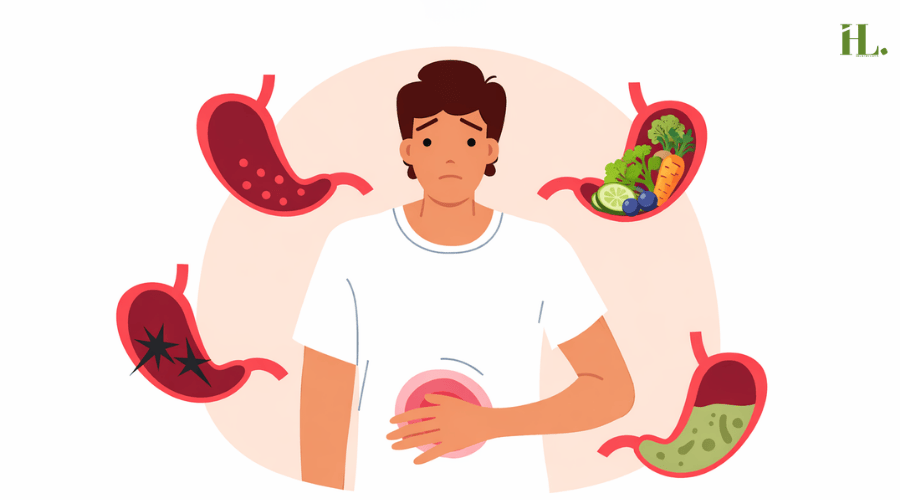
Mood Swings Or Intense Sugar Cravings
Sudden sugar cravings, frequent low mood, and feeling irritable often trace back to how the diet handles blood sugar, especially when added sugars and sugary foods replace balanced meals. In real-life nutrition work, I’ve seen how poorly managed blood sugar creates sugar highs followed by crashes, driving emotional fluctuations, irritability, and ongoing low moods, which can quietly affect mental health when daily nutrition stays inconsistent.
Your Weight Fluctuates A Lot
Frequent unplanned weight changes, including sudden weight gain or weight loss, often reflect inconsistent dietary habits rather than normal body shifts, something I’ve seen repeatedly when people rely on processed foods, convenience options, or start skipping meals. Patterns like avoiding food groups, misjudging portion sizes, guessing portions instead of understanding calorie needs, or mismatched energy intake can lead to calorie imbalance and nutrient imbalance, making it harder to meet real nutrition needs and stabilize weight over time.
Balanced Diet VS Fad Diet
| Balanced Diet | Fad Diets |
|---|---|
| Based on whole foods and all food groups | Based on restrictions and limited food lists |
| Builds healthy habits and steady energy | Causes fatigue and energy crashes |
| Provides adequate nutrients, vitamins, and minerals | Leads to nutrient deficiencies |
| Supports mental health and lowers chronic disease risk | Increases health risks |
| Encourages steady and sustainable weight loss | Triggers rapid weight loss and rebound weight gain |
Simple Balanced Diet Tips for Busy Daily Life
Staying consistent with good nutrition in daily life doesn’t require perfection, even with a busy schedule, when small shifts like smarter food choices and basic meal planning become routine. From experience, building nutrition habits through healthy eating, clear eating awareness, and realistic nutrition goals makes it easier to eat better, support lifestyle balance, and maintain a healthy diet without stress:
Practice Healthy Eating by Choosing Items
Practicing healthy eating starts with smarter food selection that supports a healthy diet and keeps fat in daily meals. Choosing lighter options over crispy items, batter-fried items, or foods cooked deep golden brown helps reduce visible fat layers and excess meat fat, making it easier to limit fat intake without sacrificing satisfaction. From experience, selecting clear noodle soups instead of fried noodles or dishes with thick oily sauce, and briefly asking service staff about cooking methods, noticeably improves overall nutritional content and supports more consistent, healthier eating habits.
When checking food packaging, simple label reading makes a big difference. Pay attention to the Nutrition Information Panel and ingredient list, and be mindful of ingredients that often increase saturated fat, cholesterol, sodium, added sugar, and added salt, such as:
- vegetable oils, shortening, hydrogenated oils
- sugar, honey, glucose
- sodium chloride, sea salt
Ask for More Vegetables for a More Balanced Diet
A simple way to improve everyday meals is by adding more vegetables, which naturally increases daily intake without changing familiar meal choices. From experience, choosing extra veggies with economy rice or a one-dish noodle meal boosts vegetable servings and supports a balanced diet, especially when meals include brightly colored vegetables and dark green leafy vegetables like spinach, chye sim, and kangkong. This habit improves dietary variety, delivers clear nutritional benefits, and supports long-term health benefits through more plant-based foods, often without having to pay more.
Choose a Balanced Diet
Busy days become easier to manage when daily meals are built around a balanced diet that brings together key food groups at main meals like lunch. In practice, choosing wholegrains, vegetables, lean protein, and fruit helps create a nutritionally balanced meal and supports a steady diet balance. For workplace eating, relying on home-cooked food, simple food choices, and occasional pack lunch from home habits makes workplace nutrition feel realistic rather than like an extra health effort.
Common Balanced Diet Myths That Confuse People
Diet confusion often stems from nutrition misinformation, where balanced diet myths and diet myths promote restrictive eating habits and unhealthy restrictions. Relying on nutrition facts and evidence-based nutrition helps get these myths debunked and supports healthier eating patterns:
1. Carbs are the enemy and cause weight gain
The belief that carbohydrates cause weight gain overlooks their role as an energy source for brain function and exercise fuel. Focusing on healthy carbohydrates like whole grains, fruits, and vegetables instead of refined carbs and sugary carbs improves dietary balance and nutrient quality.
2. Eating fat makes you fat
The belief that eating fat leads to weight gain ignores how dietary fats actually support the body, especially when choosing healthy fats with good fat quality. Natural fats from nuts, avocados, and olive oil play a key role in nutrient absorption of vitamins A, D, E, and K, while supporting brain function, heart health, and satiety, which can even aid weight loss when eaten mindfully.
3. Skipping meals helps you lose weight
Regularly skipping meals, including breakfast skipping, often disrupts energy balance and leads to intense hunger, making overeating more likely later in the day. In contrast, balanced meals, consistent eating, and mindful meal timing support better appetite regulation and sustainable weight control.
4. A gluten-free diet is a healthier diet for everyone
Gluten-free diets are essential for people with celiac disease or gluten intolerance, but they offer no clear advantage for the general population. For those without gluten sensitivities, relying on processed gluten-free products can lower nutrition quality, reduce fiber intake, and increase the risk of nutrient deficiencies compared to balanced nutrition.
5. Supplements can replace a healthy diet
Supplements may supplement the diet, but they cannot replace real food or whole foods, which provide complex nutrients, dietary fiber, and antioxidants through natural nutrient synergy. Relying only on pills or powders often reduces nutritional quality compared to a well-planned, balanced diet.