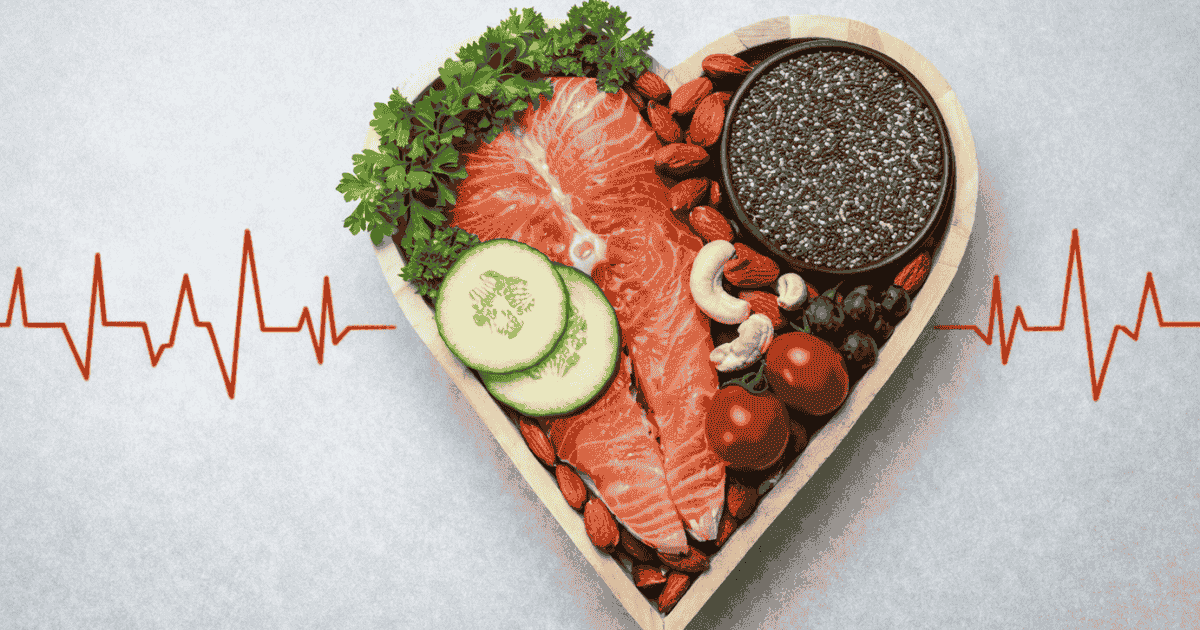
Vitamins and Mineral Supplements are micronutrients that the human body relies on to support normal functions, even though they are not produced internally and must be derived from food through a balanced diet and nutrition. In real-life meal planning, I’ve seen how consistent intake matters more than quantity, because these essential nutrients are required within a certain range to meet daily biological needs. Some vitamins are fat-soluble, meaning they are absorbed by the body and stored, while others are water-soluble and not stored, so any unused vitamins are simply lost through urine, making regular consumption part of meeting daily needs.
Minerals, unlike vitamins, are inorganic elements that come from soil and water, get absorbed by plants, and are later consumed by animals and humans through natural dietary sources. From experience, balanced mineral intake of essential elements like calcium, sodium, and potassium, along with trace minerals such as zinc, iodine, and copper, supports the body even when needed in small amounts. These minerals quietly work behind the scenes, helping maintain structure, balance, and long-term nutrition so that the body being able to function optimally without them.
Table of Contents
- 1 Vitamins and Mineral Supplements Play Different Roles in the Body
- 2 Mineral Deficiencies Are More Common Than You Think
- 3 What is the Daily Recommended Number of Vitamins and Minerals?
- 4 Food Sources Matter More Than Supplements
- 5 Too Much of Certain Vitamins and Minerals Can Be Harmful
- 6 Frequently Asked Questions
Vitamins and Mineral Supplements Play Different Roles in the Body
Vitamins act like internal regulators for the body, directing key biological processes that keep life running smoothly. They influence metabolism, support immunity, and guide growth and development by helping cells function efficiently and maintain cellular health. In everyday nutrition practice, I’ve noticed that when micronutrients from natural food sources are well absorbed and properly utilized, they directly improve energy production, nerve function, hormone support, and enzyme activity, reducing the risk of hidden deficiencies that quietly disrupt overall health and wellness.
Mineral Supplements, on the other hand, focus more on structure, balance, and movement inside the body. These inorganic elements, drawn from soil and water, reach us through plants and animals and are needed in small amounts, yet they power essentials like electrolyte balance, bone health, muscle function, and precise nerve signaling. From supporting oxygen transport with iron to maintaining mineral density through calcium, magnesium, and potassium, minerals ensure physical stability and resilience, especially when sourced from whole foods and plant-based sources rather than relying only on refined diets.
Mineral Deficiencies Are More Common Than You Think
Vitamins often become insufficient not because of low eating volume, but due to modern diets that create hidden nutrient gaps. Inconsistent food intake, reduced bioavailability, and weak absorption limit proper utilization, gradually affecting metabolism and cellular processes. These shifts commonly appear as fatigue, low energy, and declining overall wellness, even when daily meals seem balanced.
Mineral deficiencies are even more widespread and frequently overlooked. Heavy reliance on processed foods, ongoing soil depletion, and daily stress impact increase the risk of mineral deficiencies involving key inorganic elements such as calcium, magnesium, iron, zinc, iodine, and potassium. Although needed in small amounts, these micronutrients are essential for electrolyte balance, bone health, muscle function, nerve signaling, and oxygen transport, making whole foods, mineral-rich foods, proper hydration, strong gut health, and balanced nutrition central to effective preventive nutrition.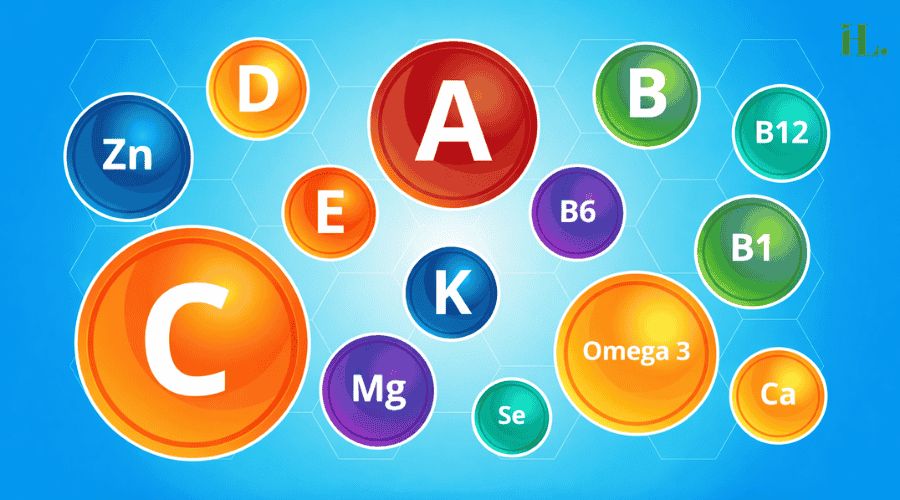
What is the Daily Recommended Number of Vitamins and Minerals?
For vitamins, the daily recommended intake is guided by the Recommended daily Allowance (RDA) and broader dietary reference values, which reflect real body needs rather than a one-size-fits-all number. These nutrient guidelines change with age factors, gender differences, and life stages, shaping daily requirements for proper health maintenance and deficiency prevention. In everyday eating, results depend not just on vitamins intake, but also on absorption rates, bioavailability, digestion, and utilization, which is why balanced nutrition from food sources matters more than chasing exact numbers.
For minerals, the focus is similar but more sensitive to balance and limits. Mineral intake recommendations cover essential nutrients like calcium, magnesium, iron, zinc, iodine, potassium, sodium, and trace minerals, each with defined daily limits under established nutritional standards. Meeting these levels works best through a natural diet built on whole foods such as vegetables, fruits, grains, animal foods, and plant foods, while supplementation needs vary based on lifestyle factors, metabolic demand, hydration, and gut health, all supporting nutrient balance and long term wellness.
Food Sources Matter More Than Supplements
Getting vitamins, minerals, and other micronutrients from real food sources creates a completely different outcome than relying on shortcuts. Whole Foods like fruits, vegetables, plant foods, and animal foods deliver natural nutrition in a form the body recognizes, where fiber, antioxidants, phytonutrients, enzymes, water content, and other natural compounds work together inside a natural food matrix. This built-in synergy improves bioavailability, supports smoother absorption, easier digestion, and efficient metabolism, all of which strengthen gut health, immune support, energy balance, and long-term wellness through a truly balanced diet with higher nutrient density.
Supplements have value, but their role is limited. Supplementation usually provides isolated nutrients in pills, capsules, or powders, often in synthetic forms designed for convenience or targeted intake when nutrient gaps appear. What they lack is the full spectrum found in food, including fiber, phytonutrients, and enzymes, leading to absorption variability, reduced synergy, and a real overreliance risk when used as a replacement instead of natural support. A food first approach built on smart dietary patterns, variety, seasonal produce, whole grains, legumes, nuts, seeds, fresh foods, and minimally processed foods creates steady daily nourishment, supports preventive nutrition, and sustains sustainable health through practical lifestyle nutrition.
Too Much of Certain Vitamins and Minerals Can Be Harmful
When it comes to vitamins, problems often start with excess intake rather than deficiency. Regular overconsumption through high doses, Mega doses, or careless supplement misuse can push intake beyond safe upper limits and tolerable intake levels. This is especially true for fat-soluble vitamins like vitamin A, vitamin D, vitamin E, and vitamin K, which stay in storage in the body, leading to accumulation, bioaccumulation, and rising toxicity risk over long-term exposure. Even water-soluble vitamins such as vitamin C and B-complex vitamins, including vitamin B6, vitamin B12, and folate, despite excess excretion and urine loss, can still be harmful, causing nerve damage, gastrointestinal issues, nausea, headaches, and interactions like medication interference or absorption competition, creating nutrient overload and internal imbalance.
With Minerals, the danger often shows up faster and feels heavier on the body. Mineral toxicity from iron overload, calcium excess, magnesium excess, zinc excess, iodine excess, sodium overload, or potassium imbalance, along with trace minerals such as copper toxicity and selenium toxicity, can disturb electrolyte imbalance and trigger bone health issues, kidney strain, liver stress, and even heart rhythm issues. These risks usually come from stacking supplements, frequent use of fortified foods, and hidden intake, which makes dosage awareness, careful label reading, and professional guidance essential. A food first approach, supported by balanced nutrition, individualized needs, age factors, gender differences, and lifestyle factors, keeps micronutrients working for health instead of quietly creating health risks.