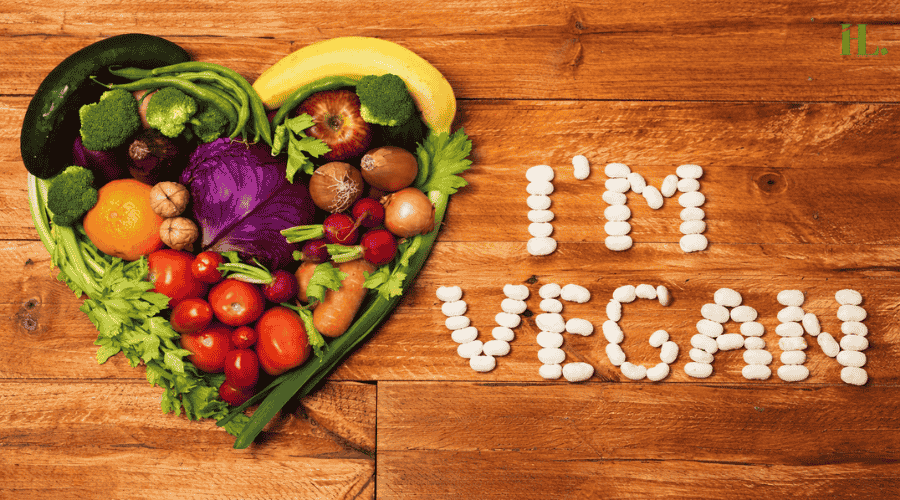
Choosing the Best Vegan Multivitamins is less about replacing food and more about making a smart addition to a well-balanced diet, especially if you follow a long-term vegan lifestyle. Even a well-balanced plant-based eater focused on balanced eating and quality plant-based nutrition can experience subtle dietary gaps over time. From practical dietary guidance, the real benefit comes when supplementing a few nutrients regularly supports steady nutrient intake and day-to-day health needs without overcomplicating your routine.
As a vegan dietitian, I often see that the right vegan multivitamins or carefully chosen individual supplements can offer targeted nutrient support when used thoughtfully. Not all supplements are equal, so understanding why certain options are worth considering helps refine your supplement choice based on your needs. This approach makes dietary supplements practical, approachable, and effective, helping visitors pick the best ones with confidence rather than guesswork.
Table of Contents
- 1 Why Vegan Supplements may be a Good idea?
- 2 What is the Best Vegan Multivitamin?
- 3 Vegan Multivitamins for Adults
- 4 Vegan Multivitamins for kids
- 5 High-Quality Multivitamins & Other Multivitamins
- 6 What is a Whole Food based Vitamin?
- 7 Are Plant based Supplements better than Synthetic ones?
- 8 Why Vegans Often Need a Multivitamin?
- 9 When & How to Take Your Multivitamin
- 10 Are Vegan Multivitamins Safe?
- 11 Nutrition Tips to Maximize Your Multivitamin Results
- 12 Frequently Asked Questions
Why Vegan Supplements may be a Good idea?
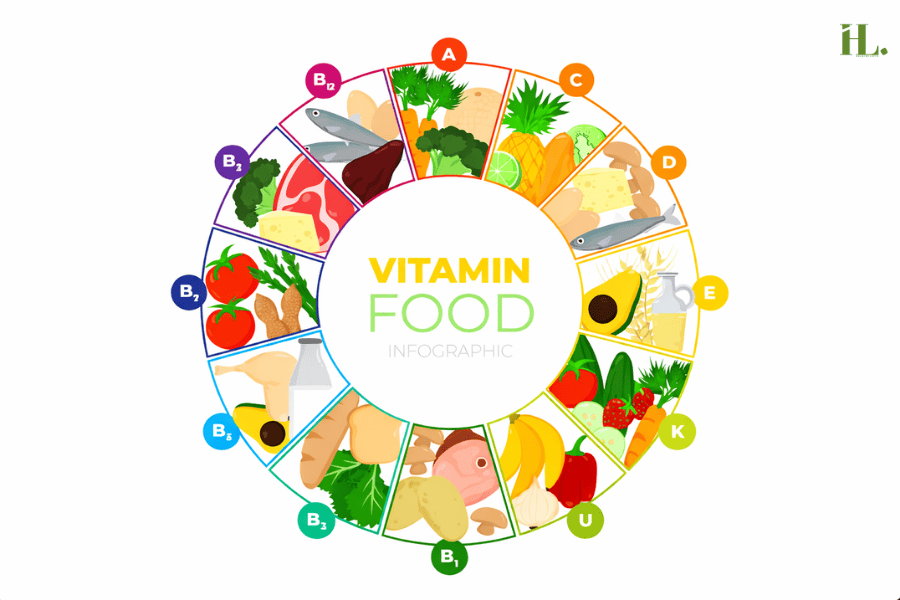
From working closely with Vegan diets, it’s clear that they can be naturally low in a few nutrients, not due to poor choices but because getting nutrients from food alone isn’t always more advantageous in everyday life. Nutrients such as vitamin B12, vitamin D, long-chain omega-3 fats, iodine, selenium, zinc, choline, calcium, iron, riboflavin, niacin, and vitamin A can be harder to balance consistently. While prioritizing whole foods is essential since a whole food delivers a mix of nutrients and beneficial compounds that work together, unlike isolated Vitamins and Supplements, there are times when supplements become a helpful source, especially when it’s difficult to get enough from the diet alone, making them a practical part of conversations around the best vegan multivitamins:
- Whole foods that are rich in iron and naturally rich in fiber, B-vitamins, potassium, and phosphorus add broad nutritional value, and beans offer far more than a single mineral
- Taking an iron supplement can provide the same amount of iron as one serving of beans, but it may lack other nutrients that come naturally with food
- Nonetheless, well-chosen supplements can help bridge gaps when food availability, absorption, or consistency becomes a challenge
What is the Best Vegan Multivitamin?
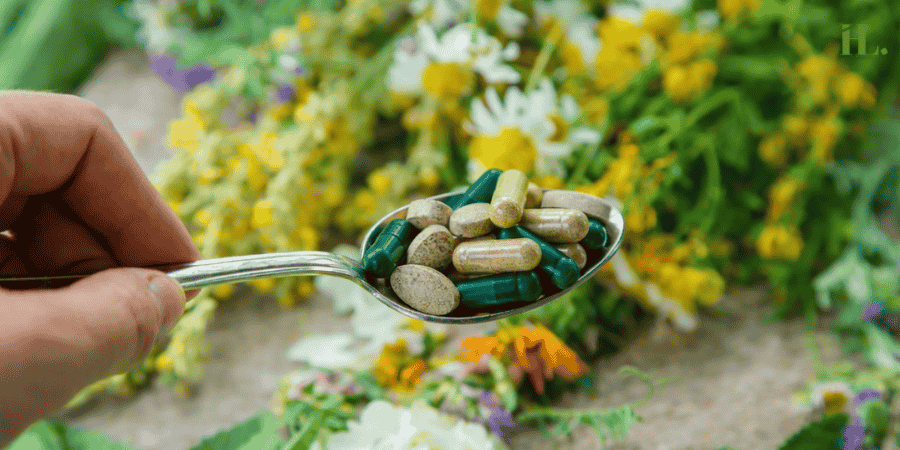
Choosing the Vegan Multivitamin often comes down to balancing simplicity with personalized nutrition, as some people prefer taking individual supplements for exact dosage, tighter dosage control, and precise nutrient selection, but this approach can increase pill burden, raise costs, and complicate a daily supplement routine. While single supplements may appear cheaper and help avoid forgoing nutrients you don’t need, managing multiple supplements taken individually can make consistent daily intake harder to maintain. A well-formulated multivitamin option can deliver the right combination in the right amounts, without containing other nutrients you don’t necessarily need, helping reduce the number of pills taken each day. This is why many people come around to the idea of multivitamins as a more cost-effective supplement choice, and why several current favorites focus on practicality, clarity, and long-term adherence.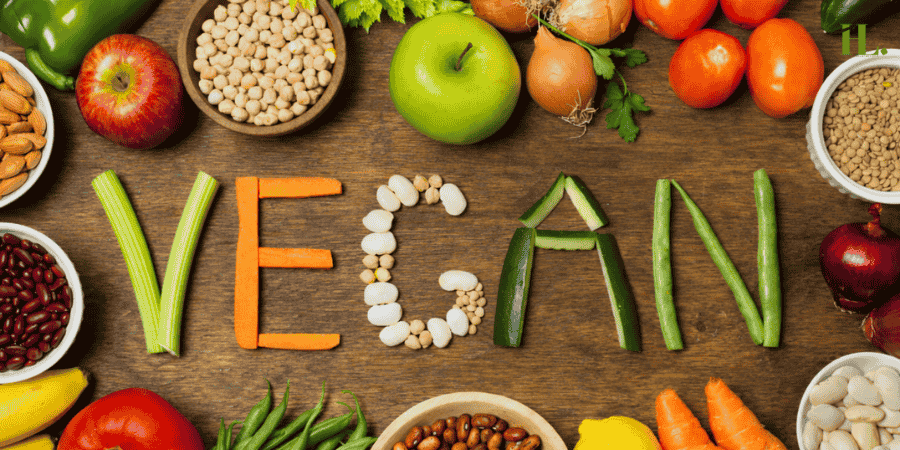
Vegan Multivitamins for Adults
Choosing the best vegan multivitamins for adults means supporting daily nutritional needs with a formula that aligns with a balanced plant-based lifestyle. As nutrient demands change with age and routine, the right multivitamin can help fill common gaps without relying on multiple supplements. Below are well-selected vegan multivitamins designed to support adult health, consistency, and long-term wellness:
VEG 1 Multivitamin tablets
The VEG 1 Multivitamin tablets are a current go-to choice for many adults because they are designed by the Vegan Society with a clear focus on targeted supplementation, meaning the formula contains only nutrients worth supplementing and very few others that most people normally get enough of from a well-planned vegan diet; this thoughtful supplement design supports practical plant-based nutrition by delivering essential nutrients in a simple daily dose, making it a reliable vegan supplement that avoids unnecessary additions, while also being affordable, budget friendly, and genuinely cost effective, at around $0.12 per dose, which makes it one of the cheapest options available for adults seeking consistent nutrient support without compromising quality or intent.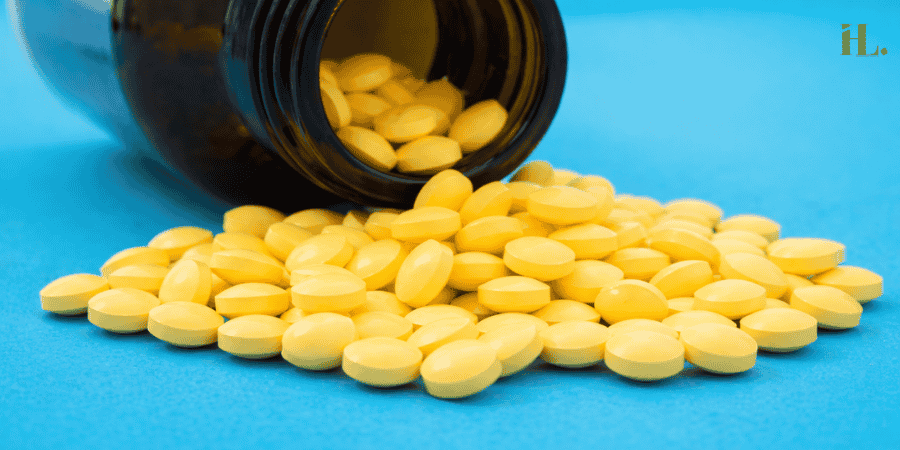
Laveen Vegan Multivitamin
The Laveen Vegan Multivitamin is often seen as a thoughtful supplement choice for adults who find it very difficult to eat enough iron through a well-rounded diet, as it contains 7 mg iron in a simple capsule dosage, alongside including a wider array of nutrients aimed at addressing common diet gaps; however, a clear price comparison shows it comes at a higher cost, with $0.39 per capsule, making it 3 times more expensive than the VEG1 option, which is why it may be good for those specifically prioritizing iron content, but less ideal for those focused on everyday affordability, where understanding per capsule value becomes key when weighing nutrient coverage against long-term cost.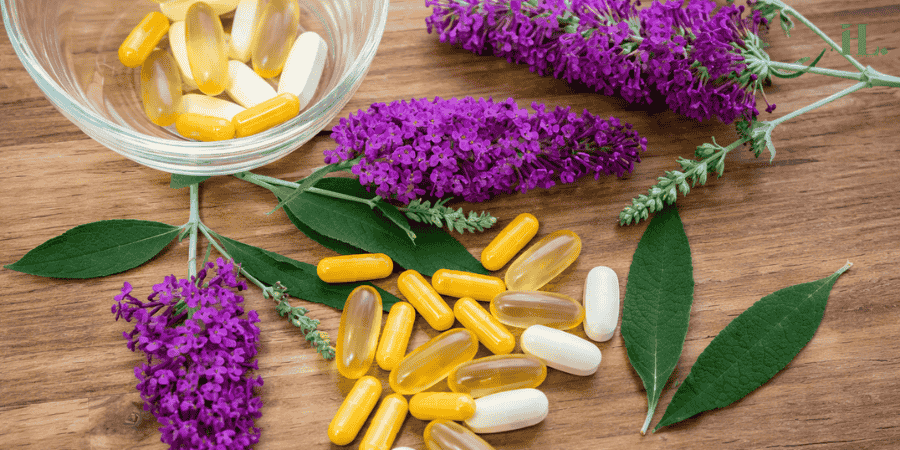
Vegan Multivitamins for kids
Choosing the Vegan Multivitamins for kids focuses on supporting growth, development, and daily nutrition within a plant-based lifestyle. Kids’ nutrient needs can be greater to meet consistently through food alone, so a well-designed vegan multivitamin can help fill common gaps in a simple, safe way. Below are thoughtfully selected vegan multivitamins created to support children’s nutrition, balance, and everyday health:
VEG 1 Baby and Toddler
The VEG 1 baby and toddler option stands out as a gentle liquid multivitamin designed by the Vegan Society, specifically intended for children aged from 6 months to 4 years, making it especially well suited for both babies and toddlers; its liquid format supports easy dosing, which is a key advantage in everyday child supplementation and early pediatric nutrition, while also functioning as a practical vegan children supplement for parents seeking consistency and simplicity, and with a price that costs around $0.11 per dose, it remains an accessible choice for families prioritizing reliable nutrition support during early development.
VEG 1 Multivitamin tablets
The VEG 1 Multivitamin tablets offer a practical solution for vegan family nutrition, as they are the same vegan multivitamin intended for adults yet also suitable for children 3–12 years, allowing families who prefer to use a shared supplement to support the whole family with one simple option; for family use, kids can consume a 1/2 tablet per day, making child dosage easy to manage while adults continue using it as an adult supplement, which helps streamline daily intake and avoid juggling multiple products, and with a cost about $0.059 per dose, it stands out as a cost effective and great option for households looking for a reliable shared supplement that supports consistent nutrition without unnecessary complexity.
Optimax Multi kids Vegan tablets
The Optimax Multi kids Vegan tablets are often recommended for children 3 years and above, especially when a wider range of vitamins and minerals is needed to support everyday child nutrition; they are particularly suited for picky eaters who may miss out on dietary variety, making this vegan kids supplement a practical way to improve nutrient variety in a simple daily dose, while remaining family friendly and easy to include in routine use, and with a price that retails at around $0.14 per dose, it offers a balanced option for parents seeking consistent nutritional support without adding complexity.
High-Quality Multivitamins & Other Multivitamins
| Quality Factor | High-Quality Multivitamins | Other Multivitamins |
|---|---|---|
| Label Transparency | Clearly lists all vitamins and minerals with exact amounts, making it easy to compare nutrients with daily recommended intakes | Uses vague claims, blends, or unclear dosing that makes it difficult to assess actual nutrient intake |
| Vegan-Specific Nutrients | Includes harder-to-get vegan nutrients like vitamin B12, vitamin D, iodine, zinc, and omega-related support in balanced amounts | Often misses key vegan nutrients or includes them in ineffective or imbalanced doses |
| Iron Inclusion | Avoids iron unless specifically required, supporting long-term safety for individuals without diagnosed iron deficiency | Commonly includes iron by default, increasing the risk of excess intake and potential negative health effects |
| Nutrient Dosage (DRI Alignment) | Formulated close to daily reference intake (DRI) values to support daily health without overloading the body | Frequently contains megadoses that exceed daily recommendations and may cause unwanted side effects |
| Risk of Superdosing | Carefully balanced to prevent vitamin and mineral excess over long-term use | Higher risk of superdosing due to unnecessarily high nutrient levels |
| Independent Testing & Verification | Backed by third-party testing, verified lab reports, or trusted independent reviews | Lacks independent testing or relies only on marketing claims and branding |
| Long-Term Safety Focus | Designed for consistent, daily use with safety and nutrient balance as the priority | Focuses more on hype and “high potency” claims rather than long-term health outcomes |
What is a Whole Food based Vitamin?
Whole food supplements are vitamins and minerals derived from dehydrated, concentrated whole foods rather than artificially made in a lab, which is why many vegan supplements are marketed as being made from whole foods and are often referred to as plant-based supplements; you can usually tell a supplement falls into this category by looking at its label, where brands highlight a 100% natural stamp and list food sources rather than synthetic vitamins and minerals, such as using broccoli powder to provide nutrients in a whole food form.
That said, counterintuitively, many whole food supplements actually contain a mix of food-derived and synthetically-produced nutrients, meaning a product may include vitamin C as ascorbic acid, which is the synthetic form, alongside plant extracts, even when the label emphasizes natural sourcing; this blended approach is common in modern formulations and doesn’t automatically reduce quality, but it does highlight why understanding ingredient lists matters more than marketing language alone.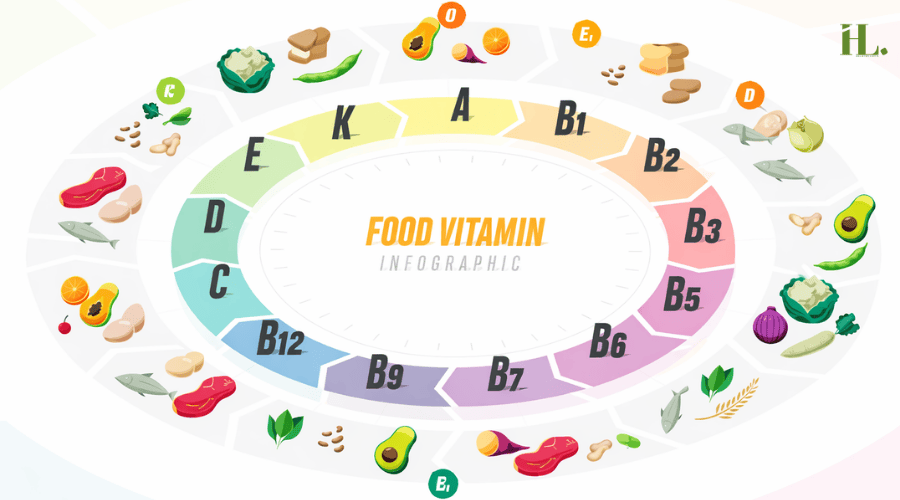
Are Whole Food Vitamins better for you?
Many vegan advocates recommend choosing supplements derived from whole foods rather than those made synthetically in a lab, often to make sure nutrients feel more natural, but this idea can be misleading because things are not always as they seem, and while some suggest that synthetic nutrients are dangerous, the reality is more nuanced; what matters most is quality, formulation, and how nutrients are used in the body, not just the source label:
- Supplements labeled as derived from whole foods are often perceived as more natural, which appeals to many vegan advocates
- Claims that nutrients made synthetically in a lab are automatically harmful however are not supported across the board
- The idea that synthetic nutrients are inherently dangerous ignores how regulated, tested supplements are formulated
- What truly matters is choosing supplements that recommend transparency, effectiveness, and suitability for vegan needs
Are Plant based Supplements better than Synthetic ones?
Plant-based supplements that are sourced from whole foods often include beneficial plant compounds not found in synthetic supplements, which can influence how the body responds to them. Some people have a difficult time absorbing isolated nutrients and may react differently to plant-based ones, especially when nutrients are present in their natural form. A common example is vitamin E, where the natural version is absorbed twice as efficiently compared to synthetic vitamin E, helping support steadier nutrient levels for certain individuals.
At the same time, whole food supplements can be less consistent than synthetically-produced ones, because nutrient content may vary depending on when grown, how grown, transported, and stored. It’s important to keep in mind that most vitamins in a balanced diet come from food, not supplements you take, and supplements are meant to support nutrition rather than replace a varied intake of whole foods.
Why Vegans Often Need a Multivitamin?
For many vegans, a vegan diet can leave small nutrient gaps due to plant-based eating, dietary restrictions, and limited food sources, especially for vitamin B12, vitamin D, iodine, iron, zinc, calcium, omega-3 fatty acids like DHA and EPA, selenium, riboflavin, niacin, and choline. Factors such as absorption differences, bioavailability, sunlight exposure, soil depletion, and food availability can affect nutrient intake, making a targeted benefit of Multivitamins a simple way to support balanced nutrition, energy levels, immunity support, bone health, and overall long-term health.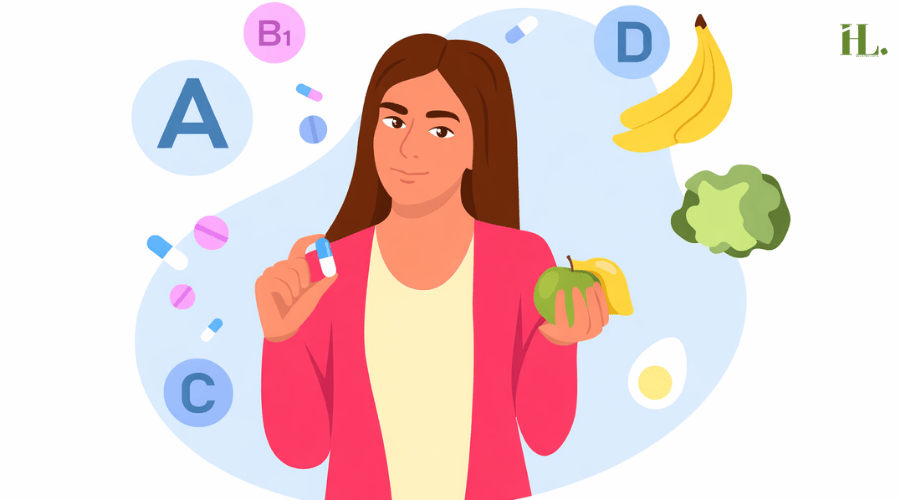
When & How to Take Your Multivitamin
| Aspect | Best Practice | Why It Matters |
|---|---|---|
| Best Time to Take | Take your multivitamin with meals or after food | Improves absorption and bioavailability, supports stomach tolerance, and helps prevent nausea |
| Fat-Soluble Vitamins | Pair with meals containing healthy fats (vitamins A, D, E, K) | Fat enhances absorption of fat-soluble vitamins for better effectiveness |
| Water-Soluble Vitamins | Take with food if you have a sensitive stomach (vitamin B-complex, vitamin C) | Reduces empty-stomach discomfort while still supporting digestion |
| Daily Consistency | Take at the same time each day, preferably in the morning | Builds a habit, improves compliance, and supports steady nutrient intake |
| Dosage Timing | Follow once-daily or split-dose instructions as labeled | Prevents overdosing and ensures nutrients are spaced correctly |
| Mineral Interactions | Be mindful of iron absorption, calcium interference, magnesium timing, and zinc intake | Certain minerals compete for absorption and can reduce effectiveness |
| Hydration & Caffeine | Take with water and avoid excess coffee or caffeine around dosing | Supports digestion and limits absorption interference |
| Medication & Guidance | Check for medication interactions and seek professional or dietitian advice if needed | Ensures safety and helps create a personalized routine |
Are Vegan Multivitamins Safe?
When used thoughtfully, vegan multivitamins are generally safe and helpful for filling nutrient gaps, especially when paired with a diet-first approach that prioritizes whole foods and fortified foods; safety comes from choosing quality products, following guidance, and matching supplements to personalized needs:
- Stick to recommended dosages and label instructions for proper daily intake, staying within upper limits to avoid Mega doses and excessive intake, particularly of fat-soluble vitamins like vitamin A, vitamin D, vitamin E, and vitamin K
- Keep mineral balance in check to prevent iron overload, iodine excess, high zinc levels, or excessive calcium intake, especially alongside medications, health conditions, pregnancy, breastfeeding, or for children using age-specific formulas
- Choose reputable brands with strong quality control, third-party testing, and products that are independently tested to lower contamination risk from fillers, additives, or allergens
- Monitor digestive tolerance and possible side effects like nausea or upset stomach, adjusting timing or form if needed
- For long-term use, rely on professional guidance, dietitian advice, or doctor consultation grounded in evidence-based nutrition
Nutrition Tips to Maximize Your Multivitamin Results
To get better multivitamin results, pair supplements with a balanced diet and smart daily habits that support nutrient absorption and bioavailability, letting food and lifestyle work together naturally:
- Take with meals that include healthy fats to support fat-soluble vitamins like vitamin A, vitamin D, vitamin E, and vitamin K, while water-soluble vitamins such as vitamin B-complex and vitamin C benefit from regular meals
- Prioritize whole foods, plant-based variety, fruits, vegetables, legumes, whole grains, seeds, nuts, and omega-3 sources to improve nutrient density, food synergy, and overall supplementation support
- Support gut health, digestion, and the microbiome with adequate fiber intake, protein intake, and steady hydration through proper water intake
- Improve mineral absorption by pairing iron uptake with vitamin C pairing, watching calcium interference, maintaining zinc balance, and allowing magnesium support to avoid nutrient competition
- Limit caffeine, reduce coffee interaction and alcohol reduction, and follow a daily routine with consistent timing, regular meals, good sleep quality, and stress management, while sunlight exposure supports vitamin D synthesis