From hands-on experience with iron supplements, I’ve seen how often people overlook that form matters when choosing iron for daily support. Common options like ferrous sulphate, fumarate, and gluconate are widely available, yet their behavior in the body depends heavily on basic mineral chemistry and individual tolerance. This is where understanding the structure of iron becomes practical, not technical. Making an informed choice early can save a lot of trial and error later.
In comparison, Chelated iron is often the form many people prefer because it is designed to work with natural absorption pathways and may offer clear advantages for digestion and consistency. Health professionals often share this insight when discussing alternatives to others, especially for long-term use. These small differences are easy to miss, but they are exactly what users need to know before committing to a supplement routine.
Table of Contents
- 1 What is Chelated iron?
- 2 Types of Chelated iron
- 3 What does Chelated iron do?
- 4 Which iron Chelate suits you best?
- 5 Chelated Iron VS Regular Iron
- 6 Benefits of Chelated iron
- 7 Symptoms of iron deficiency
- 8 How to Take Chelated iron for Better Absorption
- 9 Possible Side Effects & Safety Considerations
- 10 Frequently Asked Questions
What is Chelated iron?
In simple terms, a Chelated form of iron means the mineral is bound with glycine, an amino acid, where two molecules work together to help minerals travel more efficiently through the digestive system; in this structure, the amino acid acts as a carrier substance, which is why many modern supplements are designed this way, because when you ingest iron with a carrier molecule, the body recognizes it more easily and absorbs the attached iron with higher bioavailability and smoother absorption compared to iron salts like ferrous sulphate and ferrous fumarate, forms that are more likely to cause issues such as metallic taste, bloating, nausea, or constipation.
Types of Chelated iron
Before exploring the types of chelated iron, it’s important to understand that chelation refers to how iron is structured, not just the ingredient itself. Different chelated forms exist to support smoother absorption, better digestive comfort, and more reliable nutrient delivery, which is why they are often preferred over standard iron options:
Amino acid Chelates
This is the most common chelated iron form, often bound with glycine, where precise mineral bonding supports smoother iron absorption and better bioavailability, making it easier for the body to manage daily iron metabolism.
Gentle Chelated iron Supplements
Designed to be gentle on stomach, these options are often chosen over iron salts like ferrous sulphate, ferrous fumarate, or ferrous gluconate, as they may offer better digestive tolerance with less side effects such as nausea, constipation, bloating, or metallic taste.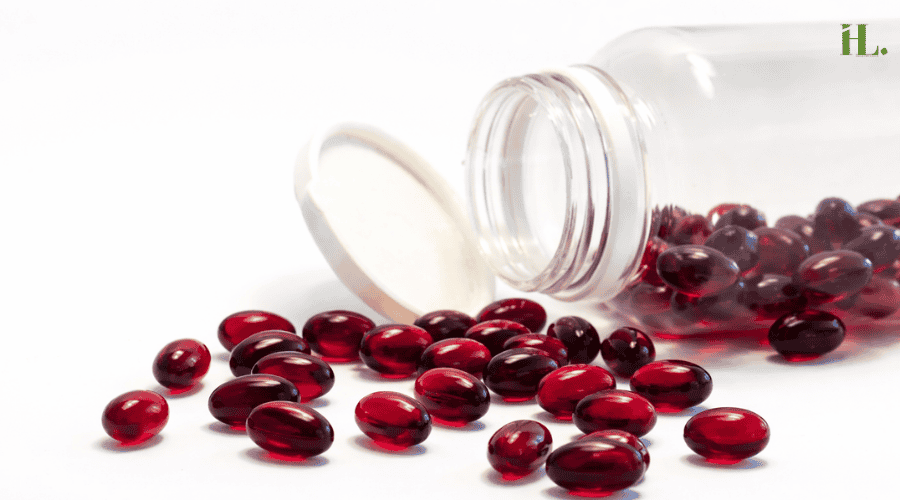
Chelated iron in Multi-Nutrient blends
Found in Multivitamins and mineral supplements, this type focuses on balanced nutrient uptake and efficient nutrient delivery of key vitamins and minerals, using a natural chelator to aid mineral transport.
Different Supplement forms
Chelated options are available across Supplement forms including capsules, tablets, powders, and liquid iron, giving flexibility compared to regular iron products.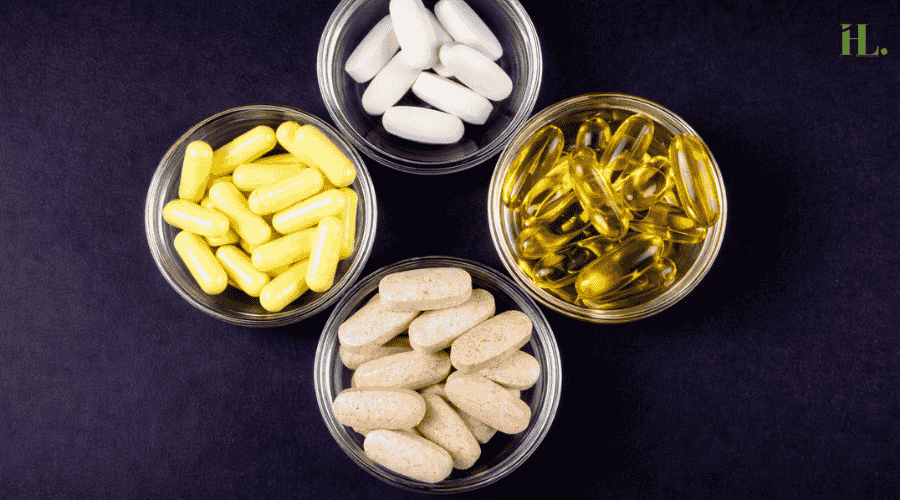
What does Chelated iron do?
Chelated iron plays a crucial role in energy production by supporting enzymes, electron transport chains, and mitochondrial energy production, which directly affects energy metabolism and helps reduce fatigue and tiredness linked to iron deficiency. It also supports oxygen transport through haemoglobin, a protein found in red blood cells that delivers oxygen across the body. In contrast, myoglobin, an oxygen-binding protein, stores oxygen in muscle tissue to sustain physical activity and endurance.
Beyond energy, iron supports immunity, detoxification, and cognitive health by maintaining healthy immune cells, enabling normal growth, differentiation, and activity, and ensuring cells function properly. It is essential for Cytochrome P450, an enzyme family that helps the liver metabolize drugs, hormones, and toxins, while steady iron availability also supports neurotransmitters such as dopamine, noradrenaline, and adrenaline, aiding synthesis, signaling, nerve myelination, brain function, normal cell division, cell metabolism, and DNA synthesis through iron-dependent enzymes and their essential role in cellular health.
Which iron Chelate suits you best?
The stability of iron chelates is of utmost importance when choosing the right chelated iron, because the chelate must be strong enough to hold iron in solution across different conditions. In real-world use, the pH level matters greatly; when a chelate is not stable, iron quickly precipitates, and the result is that the plant cannot take in enough iron, even though it is present, leaving it precipitated due to an incorrect pH level.
Understanding iron chemistry helps guide selection, as iron can shift between trivalent iron, Fe², and Fe³, and this disconnection affects availability. Once a chelate binds Fe³, the process cannot be reversed if the iron becomes oxidized, which may lead to chlorosis despite supplementation. That’s why the selection of an appropriate chelate is of great importance, ensuring iron remains available and functional rather than locked away in an unusable form.
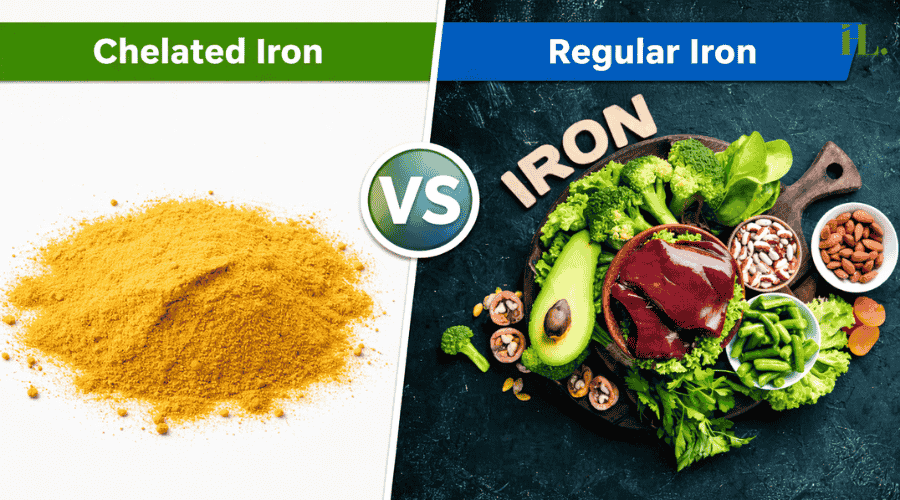
Chelated Iron VS Regular Iron
| Aspect | Chelated iron | Regular iron |
|---|---|---|
| Structure | Uses mineral bonding with a chelator, often amino acids like glycine, to protect iron | Comes as iron salts such as ferrous sulphate, ferrous fumarate, or gluconate |
| Iron absorption | Designed for higher bioavailability through smoother gut absorption and cellular absorption | Absorption can be inconsistent and affected by digestion |
| Stability in the body | Greater stability, reduced oxidation, stays in a bioactive form | More prone to oxidation, reducing effective iron utilization |
| Digestive response | Better digestive tolerance with less side effects | More likely to cause stomach irritation, metallic taste, nausea, constipation, or bloating |
| Nutrient handling | Supports efficient mineral transport, steady nutrient uptake, and balanced iron metabolism | Less efficient mineral efficiency and uneven nutrient delivery |
| Use in supplements | Commonly used in multivitamins alongside vitamins and minerals | Often found as standalone supplement form |
| Systemic action | Iron enters the bloodstream in a controlled way for consistent use | Faster release may overwhelm absorption pathways |
Benefits of Chelated iron
From practical use and formulation insight, chelated iron is valued because its amino acid chelate structure, often linked with glycine, helps iron stay in a stable form during digestion, supporting smoother iron metabolism and daily comfort; compared with regular iron, especially iron salts like ferrous sulphate, ferrous fumarate, and gluconate, this form is designed to work with natural absorption pathways and deliver iron more efficiently where the body needs it most:
- Improved absorption and higher bioavailability through better cellular absorption
- Gentle on stomach support with improved digestive tolerance and better tolerance overall
- Reduced side effects such as nausea, constipation, bloating, and metallic taste
- Efficient mineral transport, balanced nutrient uptake, and smoother iron utilization
- Reliable efficient delivery into the bloodstream, supporting energy support and iron deficiency support
- Easy integration into multivitamins and mineral supplements alongside vitamins and minerals

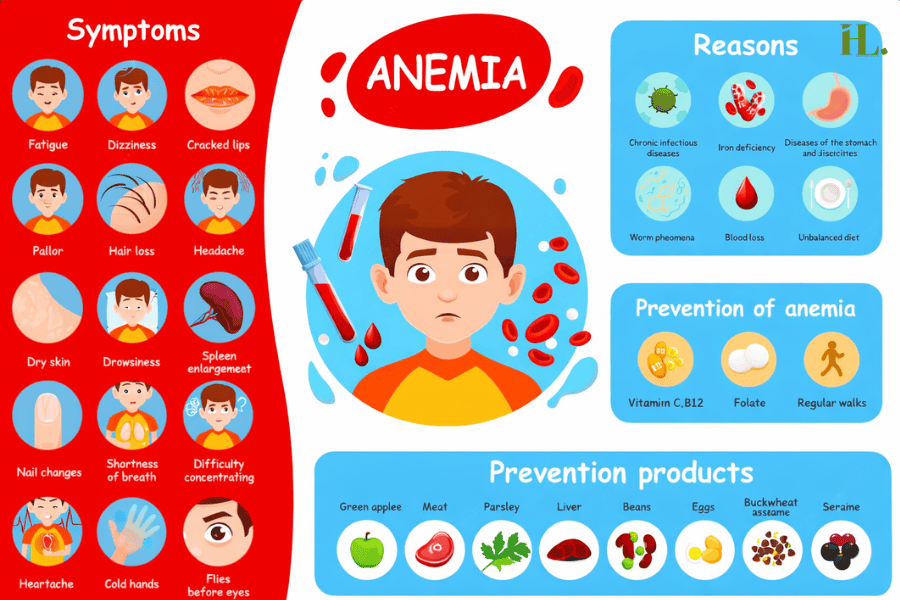
Symptoms of iron deficiency
When iron stores and iron levels fall, the body may show early and later warning signs that range from low energy to more obvious symptoms affecting multiple systems:
- Fatigue, low energy, weak muscles
- Looking pale, breathlessness, headaches
- Heart palpitations, tinnitus
- Iron-deficiency anemia affects the bone marrow, liver, and spleen
- Sunken nails, spoon-shaped nails, hair loss
- Sore tongue, ulcers, cracks at the corner of the mouth
- Craving non-food items like coal or paper
- Unusual symptoms linked to short-term fall or long term iron deficiency
How to Take Chelated iron for Better Absorption
Taking chelated iron the right way can noticeably improve iron absorption overall, and timing makes a real difference. Many people absorb it well on an empty stomach, but for sensitive digestion, taking it with food can still support strong bioavailability without discomfort. Pairing iron with vitamin C or ascorbic acid helps enhance uptake and supports healthy iron metabolism. Choosing a gentle form like iron bisglycinate often improves gut tolerance and keeps digestion comfortable.
To protect absorption efficiency, it is best to watch for calcium interaction and avoid taking iron alongside dairy products, coffee, or tea, as tannins, phytates, and excess fiber may interfere. Minerals such as zinc and magnesium are better managed by spacing supplements to maintain mineral balance, especially when using multivitamins. A steady dosage, consistency, and daily intake combined with good hydration, digestive health, and a reliable supplement routine can help reduce nausea, constipation, bloating, or metallic taste while supporting natural absorption.
Possible Side Effects & Safety Considerations
Chelated iron is widely regarded as a gentle iron with improved tolerance, but mild side effects may still appear depending on individual sensitivity and gut health, especially if dosage or timing is not well managed:
- Nausea
- Constipation
- Bloating
- Diarrhea
- Metallic taste
- Stomach upset
For safe supplementation, focus on dosage control, follow recommended intake and upper limits, and avoid excess iron, which can increase iron overload and toxicity risk with long-term use. Extra safety considerations apply with interaction with medications, calcium supplements, zinc competition in multivitamins, and during pregnancy considerations or pre-existing conditions such as liver health issues, hemochromatosis, or blood disorders, where medical supervision and regular monitoring levels of ferritin and hemoglobin support responsible use.