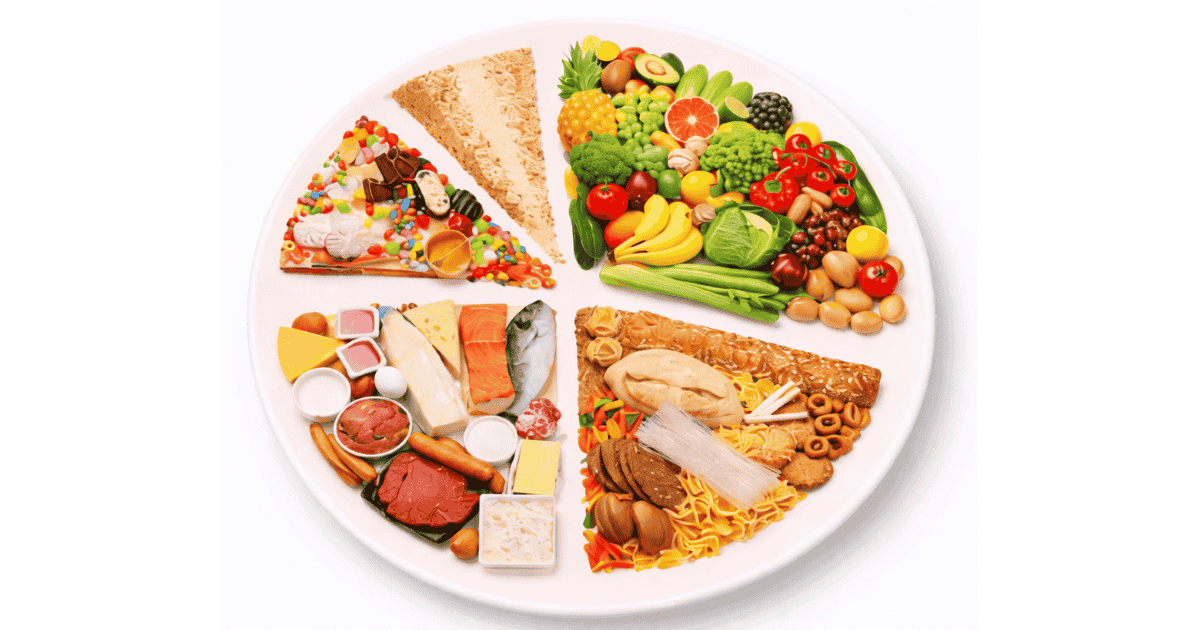
That constant fatigue, unexplained weight gain, or cycle-related discomfort is often the first sign that something deeper is happening with your hormones. In many women and even men, everyday lifestyle patterns and diet choices can quietly trigger hormonal imbalance, where the body slowly produces more estrogen, leading to high estrogen levels and disturbed hormone levels that affect overall health and internal balance. Therefore, how Diet and Lifestyle Affect Estrogen Dominance is crucial for achieving hormonal harmony.
From hands-on nutrition practice, I’ve seen how small, realistic lifestyle changes paired with a supportive estrogen dominance diet can ease symptoms, improve energy, and help reverse estrogen dominance. Building awareness around food quality, stress, and movement allows the healthy organism to regulate sex hormones more efficiently, reducing long-term problems and lowering the risk of this serious health concern turning into a chronic disease.
Table of Contents
- 1 What is Estrogen dominance & Why it matters?
- 2 Causes of Estrogen Dominance
- 3 Symptoms of Estrogen Dominance
- 4 Why Food Choices Directly Influence Estrogen Levels
- 5 Foods That Support Estrogen Balance
- 6 Foods That May Worsen Estrogen Dominance
- 7 Lifestyle Habits That Impact Estrogen Levels
- 8 Simple Daily Changes to Restore Hormonal Balance
- 9 Frequently Asked Questions
What is Estrogen dominance & Why it matters?
Estrogen dominance is a hormonal condition where too much estrogen exists in comparison to progesterone, disturbing the natural balance among the body’s main hormones. In women, this imbalance is closely tied to a woman’s menstrual cycle, where Estrogen functions as a powerful neurohormone and works in relation to progesterone and other hormones that guide energy, focus, and emotional rhythm.
It matters because this imbalance can quietly shape daily life by influencing moods, emotions, and cognitive function. In real-world nutrition practice, many women report feeling anxious, irritable, or depressed, while others feel forgetful or struggle to stay motivated, even though they want to feel happy and energetic consistently.
- Affects cognitive function, making concentration and memory weaker
- Alters moods and emotions, leading to feeling anxious or irritable
- Disrupts harmony between Estrogen, progesterone, and other hormones
When diet and lifestyle restore hormonal balance, women often feel more mentally clear and emotionally steady. That internal stability supports feeling motivated, calm, and naturally energetic. Recognizing how Diet and Lifestyle Affect Estrogen Dominance can make a significant difference in health outcomes.
Causes of Estrogen Dominance
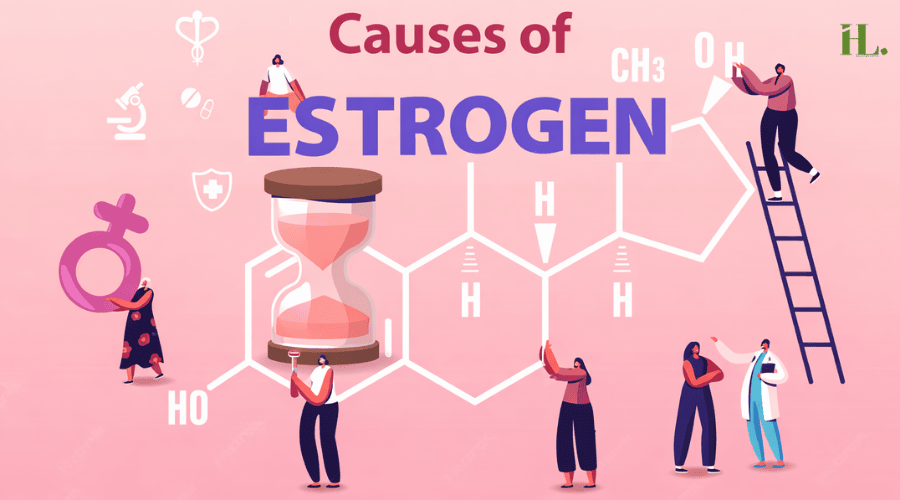
In real-life nutrition practice, the causes of estrogen imbalance usually build up slowly through everyday lifestyle factors, long-term diet, and constant contact with the surrounding environment, making many of them practical and addressable factors rather than fixed problems:
- Regular environmental exposure to chemicals like BPA and pesticides
- Hormonal influence from birth control, HRT, and certain medications
- Daily use of personal products and cosmetics containing synthetic compounds
- Ongoing stress, rising inflammation, and increasing excess weight
- Individual sensitivity is shaped by genetics and poor dietary factors
Symptoms of Estrogen Dominance
The signs and symptoms of estrogen dominance show up when hormones slip into imbalance and estrogen is not balanced properly, beginning to disrupt the body’s natural regulating processes, leading to clear and often noticeable effects on the body and overall health:
- Heavy menstrual periods, irregular menstrual periods, and increased PMS symptoms
- Mood swings, emotional lows, and depression
- Ongoing fatigue, trouble sleeping, and recurring headaches
- Swelling in the breasts with tenderness in the breasts
- Gradual weight gain, blood sugar imbalances, and rising menopause symptoms
- Cold hands, cold feet, and visible hair loss
- Memory problems, decreased libido, and persistent fertility issues
When these symptoms appear together, they often signal that hormonal balance needs attention. Left unaddressed, Estrogen dominance can intensify discomfort and strain daily functioning, making supportive diet and lifestyle choices an essential part of restoring stability.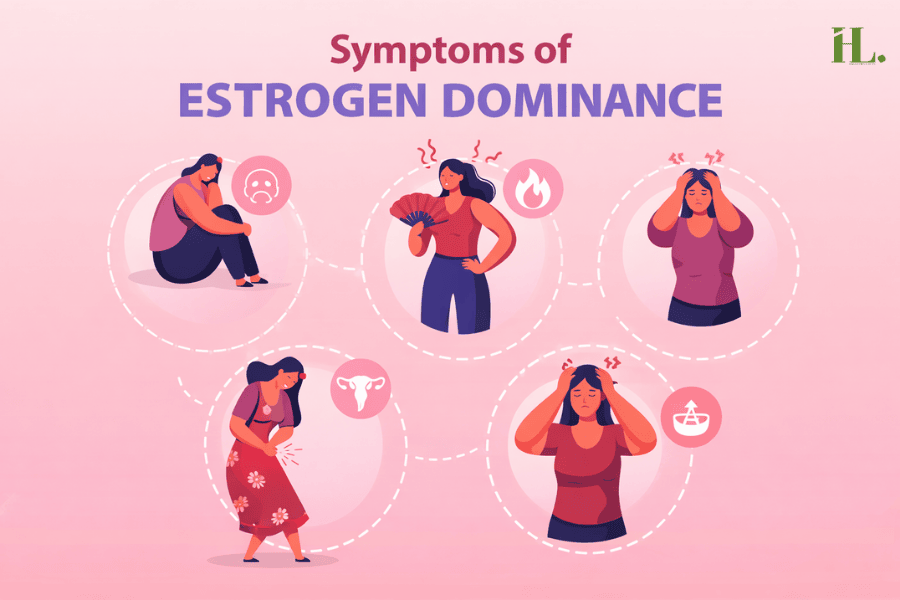
Why Food Choices Directly Influence Estrogen Levels
What you eat shapes estrogen levels because daily food choices influence how the body processes hormones, including estrogen production, storage, and clearance:
Healthy Fats
Healthy fats play a key role in hormonal stability because cholesterol is a necessary precursor for producing steroid hormones, including estrogen, which means an adequate intake of fats through diet helps the body maintain balance rather than disruption. Foods like avocados, nuts, and seeds support this process by supporting healthy levels of hormones, while diets low in healthy fats can interfere with normal signaling and may even decrease estrogen production by limiting the raw materials needed for steroid hormones.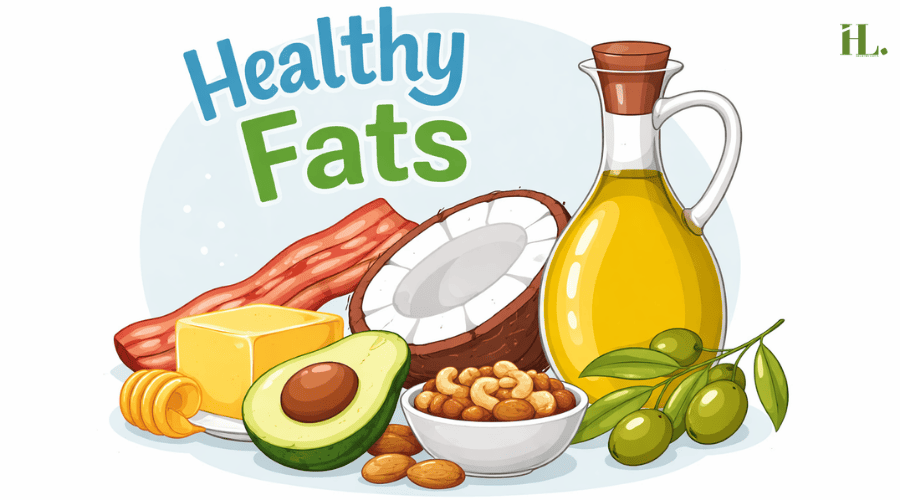
Protein Intake
Balanced hormone synthesis depends on steady intake of lean proteins, because they supply amino acids that are essential for building and regulating hormones involved in estrogen balance. Including sources like fish, chicken, and plant-based options, such as beans, helps the body maintain efficient signaling and metabolic support without overloading the system.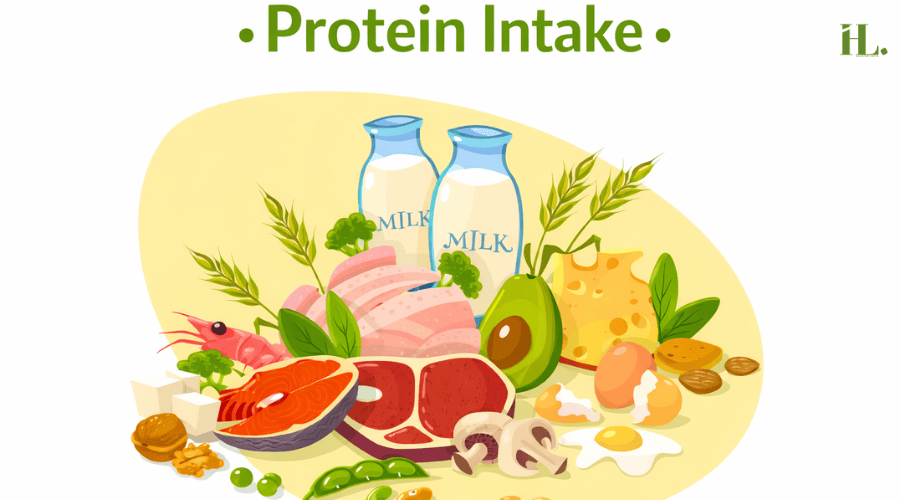
Cruciferous Vegetables
Cruciferous vegetables like broccoli, cauliflower, cabbage, and Brussels sprouts contain powerful compounds such as indole-3-carbinol (I3C) that support detoxifying pathways in the liver, helping with metabolizing and clearing excess estrogen. These vegetables aid natural estrogen balance by improving how the body processes and eliminates hormonal byproducts.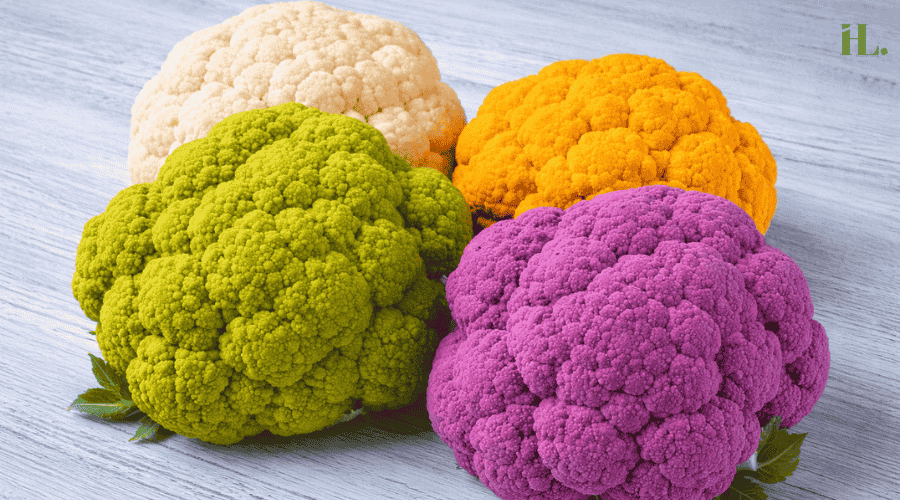
Fiber Intake
Adequate fiber plays a direct role in estrogen balance by supporting the digestive tract, where it binds to excess estrogen, preventing reabsorbed hormones from being reabsorbed into circulation. Regular consumption of fiber helps by facilitating excretion, ensuring its excretion through waste, which is why high fiber consumption is so effective for hormonal regulation.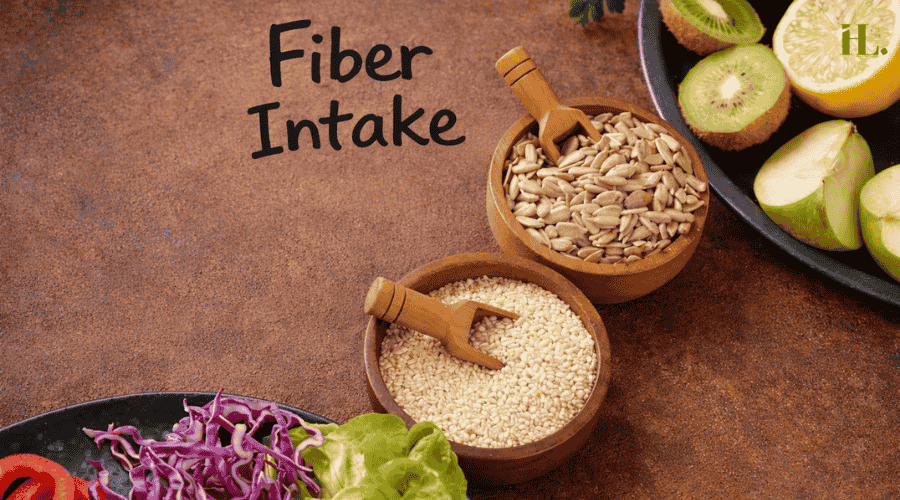
Probiotics
Probiotics help the body eliminate estrogen by maintaining a healthy gut microbiome, which is required to properly break down and clear hormones from circulation. Foods like fermented foods, such as yogurt, kefir, and sauerkraut, keep this process supported, allowing estrogen to be processed efficiently rather than recycled back into the body.
Poor Diet Impact
A diet built around processed foods, excess sugar, and alcohol can quietly push the body toward estrogen dominance, especially when diets high in these foods trigger gut irritation and start impairing both the liver and digestive system. When this happens, the ability to eliminate waste weakens, allowing estrogen to circulate longer than it should and disrupting hormonal balance.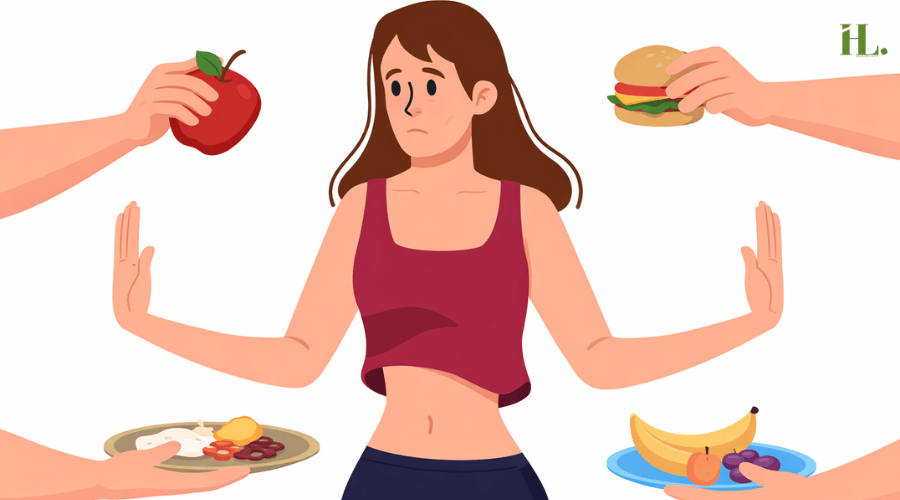
Plant-Based Estrogens
Phytoestrogens are plant-based compounds that contain the unique ability to mimic or modulate estrogen activity depending on the body’s needs, making them different from human estrogen. Found in foods like flaxseed, soy, tofu, edamame, and other legumes, these compounds can bind to receptors, helping boost low levels of estrogen when needed or block stronger estrogen to reduce the impact of harmful estrogen, allowing the body to naturally regulate balance rather than overstimulate it.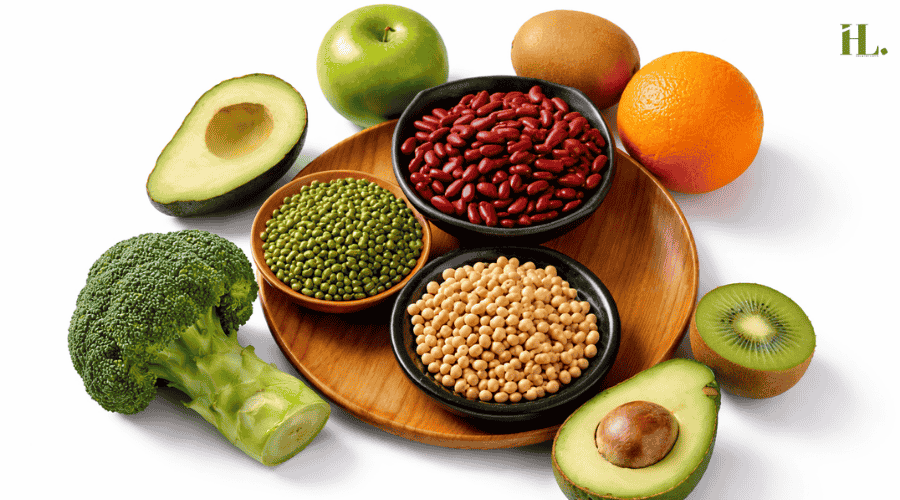
Foods That Support Estrogen Balance
Choosing the right foods can gently improve estrogen levels by enhancing metabolism, gut health, and helping support your liver, which plays a key role in clearing excess hormones:
Fiber
Often overlooked, fiber quietly supports hormonal health by strengthening gut health and keeping the gut environment stable. It feeds good bacteria, gently slows down digestion, and helps the body better absorb nutrients, which creates a smoother rhythm for daily hormone activity, especially in women managing estrogen balance.
Another benefit of fiber is how it supports estrogen clearance. It binds estrogen in the colon, reduces absorption, and encourages excretion, which can help bring down high estrogen levels naturally. A practical aim is 21–28 grams of fiber per day, mostly found in plenty of fruits and vegetables, particularly when eaten with the skin on, where most of the fiber is concentrated.
Cruciferous Vegetables
Cruciferous vegetables from the Brassica family are dense in fiber and nutrients that support gut health and estrogen balance when included in the diet consistently. These powerhouse veggies benefit digestion when you chew well and properly digest, making their protective compounds more available to the body.
What makes them unique is a sulfate-containing compound that, when formed during digestion, becomes diindolylmethane (DIM), known to modulate the detoxification of estrogen. Vegetables like cabbage, broccoli, kale, Brussels sprouts, cauliflower, collards, bok choy, and other greens work best when eaten daily is the goal, since not enough intake limits their effect. A practical aim is 1–2 cups each day to keep estrogen metabolism supported and steady.
Soluble fiber
Soluble fiber plays a steady role in estrogen balance by helping the body manage hormone clearance more efficiently. Found in starchy root vegetables and legumes, it binds to estrogen in the digestive tract and encourages excretion, while acting as a prebiotic that fuels gut microbiome activity and supports smoother digestion.
This type of fiber also promotes regularity and reduces inflammation, both of which support hormonal stability. Options like psyllium husk can be useful, but because soluble fiber sometimes interacts with medications, it’s important to check with your doctor if you are taking medications before using concentrated fiber supplements.
Insoluble fiber
Insoluble fiber is the other main type of fiber that supports estrogen control by how it moves through digestion. It binds to estrogen, reduces absorption, and helps help reduce the circulating levels of estrogen in the blood, limiting how much is reabsorbed back into the system.
Another benefit is its indirect effect on cholesterol, which is a precursor to estrogen, making fiber intake relevant for long-term balance. Great sources of insoluble fiber include whole grains, brown rice, and vegetables with seeds, which support steady elimination and healthier estrogen handling when eaten regularly.
Probiotic foods
Probiotic foods play a meaningful role in estrogen detoxification by strengthening gut flora, which helps the body process and clear hormones efficiently. Fermented options like yogurt, kefir, sauerkraut, kimchi, and kombucha are foods rich in beneficial bacteria that help with smoother estrogen metabolism.
There’s also a double benefit when probiotics are paired with fiber-rich vegetables, including those from the Brassica family. Fermented soy foods such as tempeh and miso further support gut balance, creating an internal environment that favors steady hormone regulation rather than estrogen buildup.
Vitamin C
Vitamin C acts as a powerhouse antioxidant that supports the body by helping increase levels of progesterone, which can naturally balance out estrogen levels. It’s best obtained from fruits and vegetables like bell peppers, kiwi fruit, and whole citrus fruits, emphasizing not just the juice to retain fiber and supportive compounds.
Phytoestrogens
Phytoestrogens are gentle plant-based compounds with a structure similar to estrogen, allowing them to mimic estrogen in a much weaker form than the body’s natural estrogen. They are found in common plant foods and are often viewed as a hotly debated food, particularly around consuming soy, even though their role is more about balance than stimulation.
Their value lies in how they interact with hormones inside the body. By binding to estrogen receptors, phytoestrogens can compete for receptor sites in different tissues, helping reduce estrogenic effects when excessively high estrogen levels are present. This moderating action lowers the overall estrogenic effect, and recent research associates it with lower levels of cancer risk.
- Soy foods such as miso and organic tempeh
- Legumes, including chickpeas, mung beans, and black beans
- Seeds like ground flax seeds and sesame seeds
- Plant foods such as green tea, dried apricots, prunes, and dates
- Herbs and seeds, including sage, dill, fresh parsley, garlic, fennel seed, and aniseed
- These foods provide protein and fiber and generally do not elevate estrogen levels
Lean Protein
Adequate protein plays a crucial role in the formation and regulation of hormones across the body, while also supporting how the body adapts to daily stress and metabolic demand. It helps build muscle tissue and repair muscle tissue, which indirectly supports hormonal stability and efficient energy use. Protein is essential for organs like the liver, brain, and digestive system, all of which are involved in hormone processing.
Both plant sources and animal sources can support estrogen balance when chosen carefully. Options such as fish and poultry provide quality animal protein, while plant-based complete proteins like soy, quinoa, hemp, chia, and tempeh offer balanced nutrition for vegetarians and vegans. Using a mix of protein sources, including combining incomplete plant-based proteins like rice and beans, helps supply essential amino acids without relying on red meats or processed meats.
Hydration
Drinking plenty of water is important for estrogen balance because fiber requires water to be digested properly; when fiber absorbs water in the intestines, it bulks up stool, helping the body avoid constipation, gas, and bloating. Staying hydrated also helps flush toxins, remove excess estrogen, and supports using filtered water to remove potential xenoestrogens, which are toxins that mimic estrogen. A practical aim is half of bodyweight in ounces each day.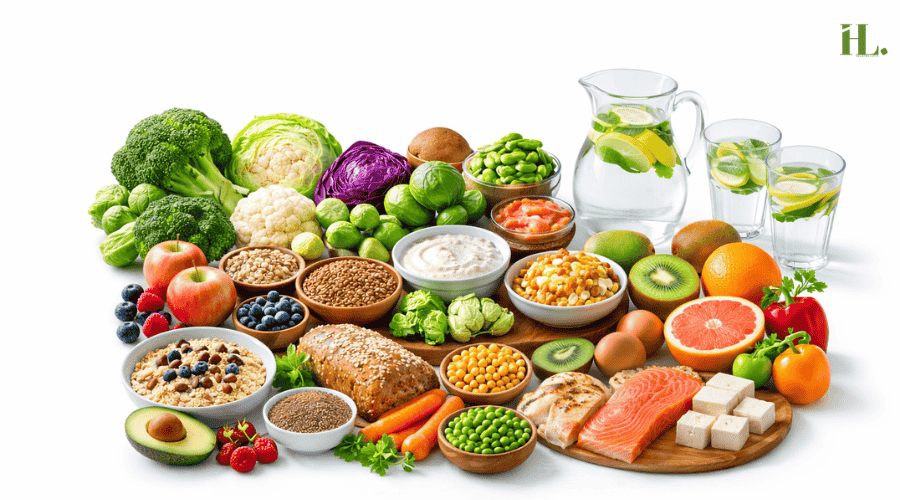
Foods That May Worsen Estrogen Dominance
Some foods can quietly worsen estrogen dominance by increasing inflammation and placing extra strain that can tax the liver, making hormone balance harder to maintain:
Conventionally Raised Meat
Red meat, especially non-organic meat, may increase estrogen production in the body due to exposure to growth hormones and pesticides, which can disrupt hormone balance when consumed regularly.
Dairy Products
Conventional dairy such as milk, cheese, and butter can be a significant source of exogenous estrogens, contributing to overall dietary estrogen intake. In a typical Western diet, dairy products may account for up to 80% of estrogen exposure from food, which can add hormonal load and potentially worsen estrogen imbalance when consumed frequently.
Alcohol & Beer
Both heavy consumption and regular consumption of alcohol can impair the liver’s ability to metabolize estrogen and remove excess estrogen, allowing hormone levels to stay elevated longer than they should. Beer adds another layer of risk because it contains 8-prenylnaringenin, a potent phytoestrogen that may further worsen hormone imbalances, especially when intake becomes frequent rather than occasional.
Refined Carbohydrates/Sugar
Frequent intake of processed foods and high-sugar items triggers insulin spikes that encourage weight gain, especially through expanding fat cells, which are linked to increased production of estrogen. This happens because fat tissue contains aromatase, an enzyme that converts hormones into estrogen, disrupting other hormones and further promoting weight gain, creating a cycle that worsens estrogen dominance.
Caffeine
Research on caffeine is data mixed, but high caffeine consumption, especially over 200mg/day, has been linked to increased estrogen levels in some individuals. This suggests sensitivity varies, and for certain people, regular high caffeine intake may quietly contribute to hormonal imbalance rather than supporting estrogen stability.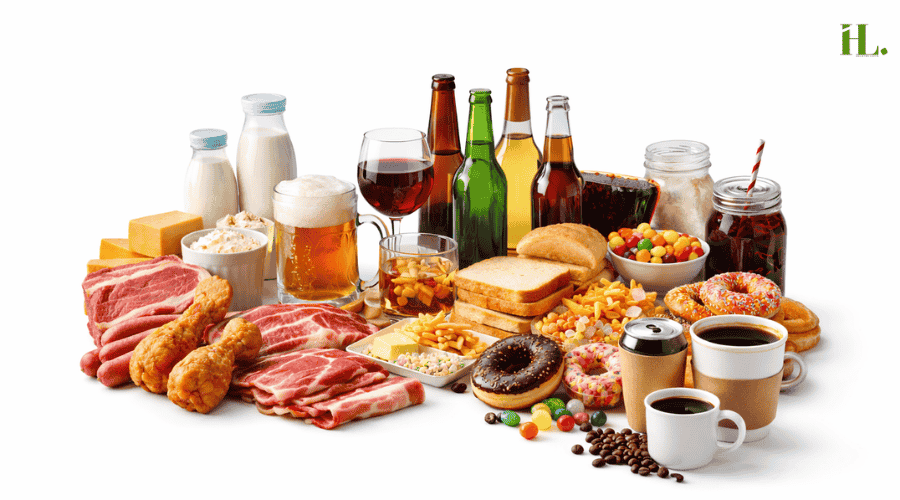
Lifestyle Habits That Impact Estrogen Levels
Daily lifestyle habits quietly shape estrogen levels and long-term hormonal health, as patterns around diet, sleep, exercise, and exposure can either support balance or disrupt balance, affecting overall health:
- Reduce environmental exposure to endocrine disruptors, especially chemicals in plastics, by limiting unnecessary exposure
- Prioritize stress management to lower chronic stress that strains hormone regulation
- Aim for moderate exercise rather than extreme weight loss or extreme weight gain, both of which can alter hormones
- Support balance with high-fiber diets and low-sugar diets
- Protect recovery with quality sleep and consistent sleep routines
- Limit alcohol and excess alcohol, and avoid smoking, which can impair hormonal pathways
- Keep exercise regular but not excessive to maintain steady estrogen signaling
Simple Daily Changes to Restore Hormonal Balance
Supporting the liver and digestive system helps with elimination by ridding the body of excess estrogen, so it isn’t reabsorbed into the bloodstream through the bowels and stool:
Reduce Stress
Stress is a key risk factor behind many health concerns, especially estrogen dominance, because unchecked stress releases hormones into the bloodstream that may feel beneficial in the short term but create damaging long term effects. Over time, this strain impacts fertility and hormone health as rising excess cortisol, the primary stress hormone, perpetuates inflammation throughout the body, making stress a prime factor behind ongoing health issues.
This constant pressure fuels chronic inflammation and increases the risk of chronic diseases, which is why reducing stress is a key step in reducing inflammation and restoring balance. Managing stress looks different for everyone, but practicing meditation, mindfulness, and physical exercise are excellent strategies for making the body resilient against the stresses of modern life.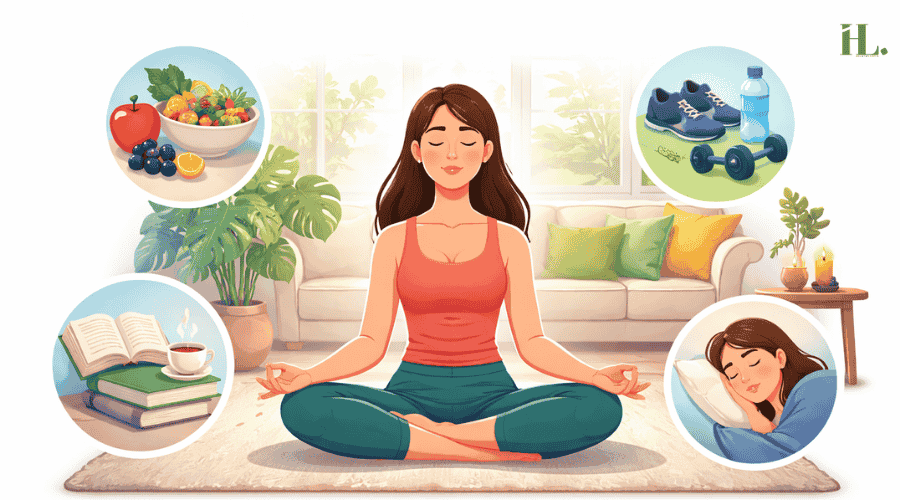
Avoid Chemical Estrogens
Chemical estrogens are synthetic estrogens and environmental estrogens found outside the body that mimic estrogen and disrupt hormone balance. These exogenous chemical compounds come from plastics, pesticides, detergents, cosmetics, and some medications, so limiting exposure is a vital step in treating estrogen dominance and supporting health.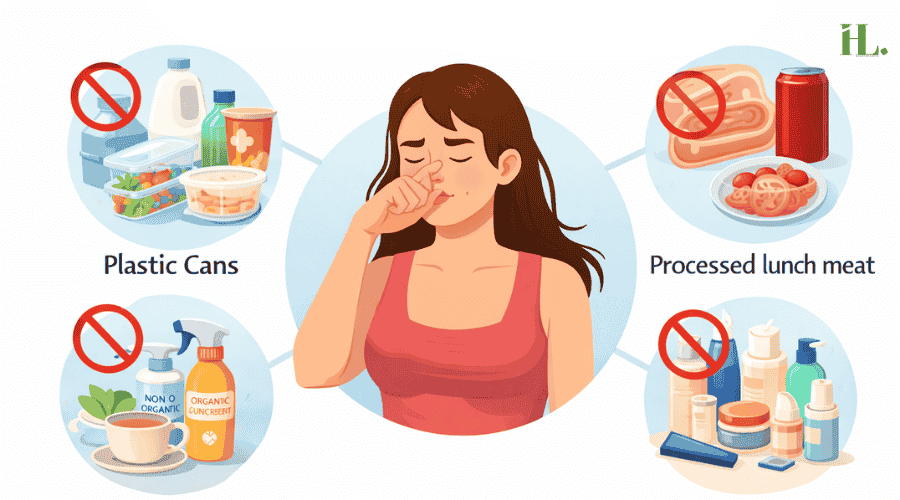
Balance your Progesterone
Achieving hormonal balance is like a well-rehearsed circus act, because when one hormone is out of whack, others likely are too. Progesterone and estrogen work closely together to regulate the entire reproductive system, so when progesterone levels are too low, the body often responds by elevating estrogen levels. This imbalance is how estrogen dominance occurs, even without excess estrogen production.