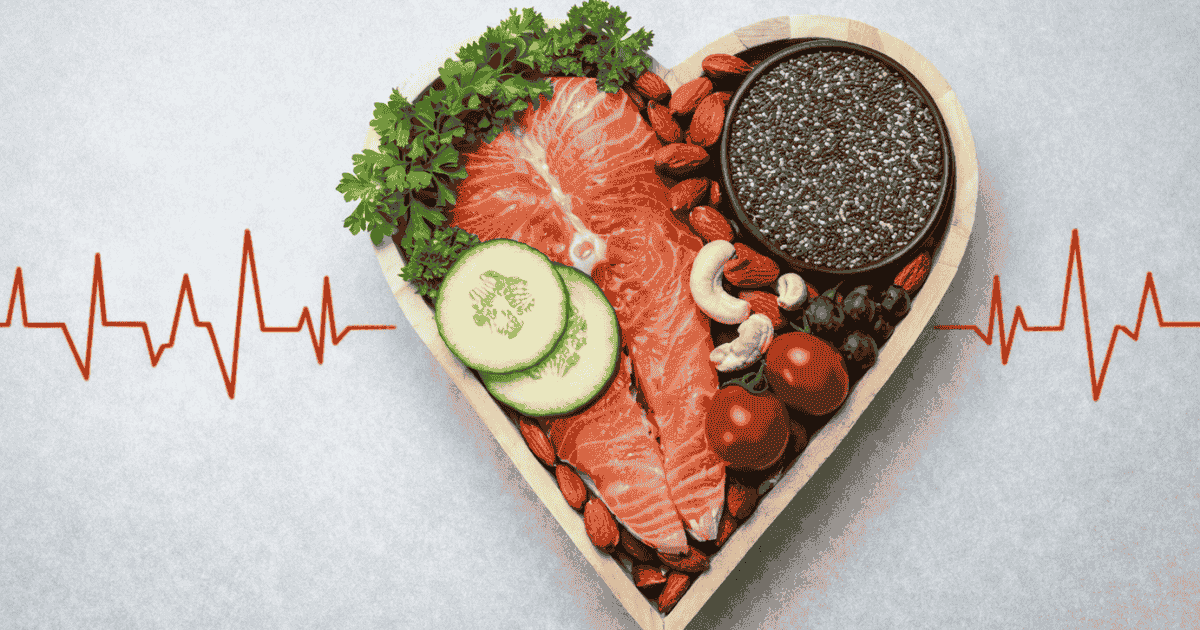
Living with hepatitis B or hepatitis C taught me that what to eat and avoid isn’t about restriction—it’s about restoration. A balanced diet built on nutritious foods like vegetables, fruits, and legumes supports liver repair while ensuring steady energy. I began following the Dietary Guidelines for American Adults, emphasizing whole-grain cereals, breads, rice, pasta, and noodles that supply valuable fiber, vitamin B, and iron. Including lean meat, fish, poultry, and plant-based alternatives gave me essential omega-3 fats, zinc, and essential fatty acids. For calcium and vitamin E, I switched to milks, yoghurts, and cheeses in reduced-fat varieties. Hydration came from water, never sugary drinks, while nut butters, avocado, and vegetable oils provided good oils without saturated fat. Limiting salt, alcohol intake, and added sugars helped balance nutrients like vitamin C, folate, and calcium.
- Balanced diet rich in nutritious foods
- Include vegetables, fruits, and legumes daily
- Choose wholegrain cereals, breads, rice, pasta, noodles
- Prefer lean meat, fish, poultry, and alternatives
- Opt for reduced-fat varieties of milk, yoghurts, and cheeses
- Drink plenty of water
- Use nut butters, avocado, and vegetable oils for healthy oils
- Avoid saturated fat, added sugars, and excess salt
- Limit alcohol intake to protect the liver
- Ensure enough vitamin B, vitamin C, folate, iron, zinc, and omega-3 fats
Follow Dietary Guidelines for American Adults to truly Eat For Health.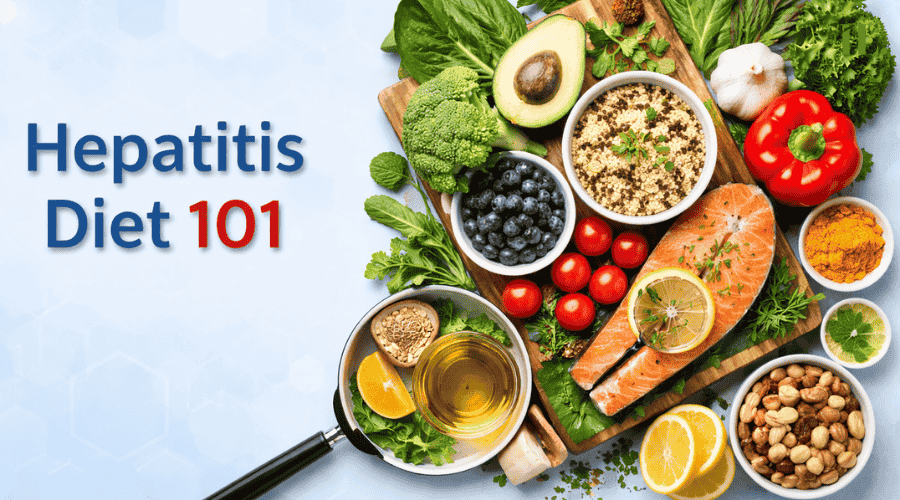
Table of Contents
What causes fatty liver Disease?
- Fatty liver disease develops when fat accumulation occurs in the liver due to being overweight, obesity, or extra weight around the waist.
- Insulin resistance linked to type 2 diabetes or diabetes mellitus disrupts glucose and lipid metabolism, promoting fat buildup.
- Elevated high blood cholesterol and triglyceride levels further strain the liver’s ability to process fats efficiently.
- Excessive alcohol or frequent drinking accelerates liver damage and worsens fat storage.
- Combined effects of metabolic syndrome and poor metabolism increase overall health risk for the liver.
What to Eat and Avoid for Healthy Liver Function?
I’ve learned that a healthy liver isn’t about giving up everything you love. It is about finding balance, eating with awareness, and choosing foods that naturally support your body’s detox process every day. Here are some foods that help you know what to eat and avoid for a healthy Liver:
Foods to Avoid for Better Liver Function
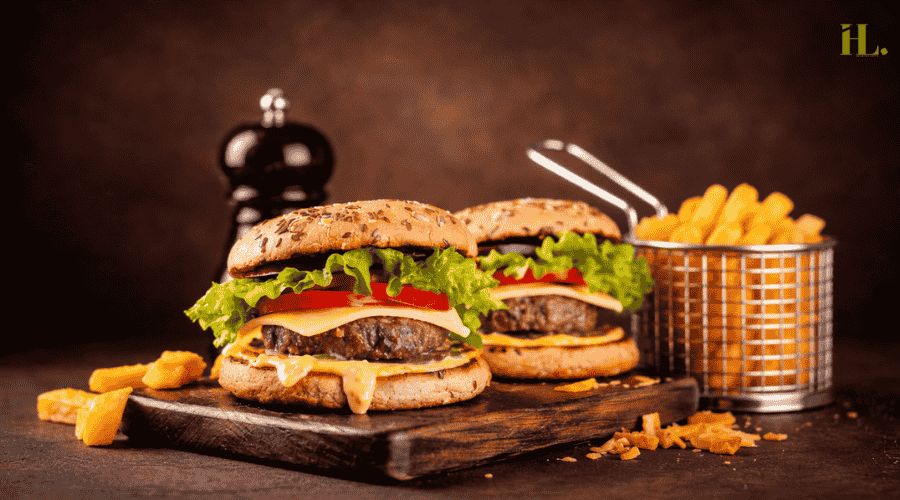
When managing hepatitis or fatty liver, I’ve learned that protecting liver function depends on cutting back the right foods, not just eating the right ones. Processed foods, packaged snacks, biscuits, and fast food overload the body with unhealthy fats, added sugars, and artificial additives that slow metabolism and promote fat buildup. Even so-called convenient ready meals and refined carbs like white bread, white rice, and white pasta raise insulin resistance and increase liver fat. Sugary drinks, soft drinks, and energy drinks worsen inflammation, while excess Alcohol can accelerate liver damage, potentially leading to cirrhosis. Reducing these from your diet supports liver health, nutrition, and overall well-being.
- Avoid processed foods, packaged snacks, and fast food to reduce fat buildup.
- Cut refined carbs like white bread, white rice, and white pasta that harm metabolism.
- Eliminate sugary drinks, soft drinks, and energy drinks to prevent insulin resistance.
- Limit excess alcohol to lower the risk of liver damage and cirrhosis.
- Choose a clean diet that enhances liver health, nutrition, and overall well-being.
What Foods are best for Healthy Liver function?
Choosing the best foods for a healthy liver helps your body detox naturally, improve digestion, and support long-term metabolic balance. A nutrient-rich diet reduces liver stress and promotes regeneration, making daily food choices incredibly important:
Fats
Managing hepatitis taught me that not all fats are harmful; what matters is balance. The body needs some dietary fat for proper function and metabolism, but saturated fats from butter, cream, fatty meats, and fried foods should be limited. By reducing these and increasing Monounsaturated fats and Polyunsaturated fats from avocados, nuts, eggs, and salmon, you naturally support better nutrition, health, and a healthier diet.
Dairy Products
For those living with hepatitis, choosing the right dairy foods can greatly enhance nutrition and liver health. Milk and milk products provide essential nutrients like calcium, riboflavin, protein, and vitamin B12, supporting a balanced diet. If tolerance is an issue, calcium-enriched soy milk or enriched foods offer excellent sources of nourishment. I often recommend combining these with sardines, salmon, lentils, almonds, Brazil nuts, and dried apricots to naturally consume a variety of liver-friendly nutrients.
Sugar
When managing hepatitis, I found that limiting sugar, especially manufactured sugars in lollies and sweets, is vital for protecting the liver and supporting steady energy levels. Instead of quick spikes, choosing longer-acting sugars from nutrient-rich foods like wholegrain breads, cereals, meats, fish, tofu, fruits, nuts, and vegetables helps balance metabolism. By cutting down on refined options, you naturally promote better nutrition and a foundation for healthy eating.
Caffeine
From my experience with hepatitis, drinking coffee in moderation can actually benefit liver function. Scientific evidence and studies show that when consumed in moderate amounts—about three cups a day—it may lower the chance of developing liver cancer, especially in people with hepatitis C. It also helps reduce fatigue and supports metabolism and energy, but avoiding caffeine-containing beverages in the evenings can improve sleep and overall health.
Herbal Supplements
When dealing with hepatitis, I always remind clients that herbal supplements or herbal treatments should never replace medical care. Their efficacy and safety depend on quality, proper guidance, and individual circumstances. Some over-the-counter products can be toxic to the liver, especially for those taking medication for hepatitis C. It’s best to seek advice and consultation from a doctor, liver specialist, or naturopath to ensure every treatment supports long-term health.
Should I see a specialist liver dietitian?
If you’re managing hepatitis, consulting a specialist liver dietitian can be life-changing. During your consultation, the dietitian will look at your diet, work with you to design a personalized liver-friendly diet plan, and answer your questions about food, drink, and alcohol consumption. They’ll adjust the plan as symptoms change, offering guidance, support, and follow-up to maintain a healthy liver. You’ll discuss salt intake, protein intake from meat, fish, dairy, and legumes, and learn how much alcohol or salt is appropriate. Together with your dietitian, you can work out which food groups to include or avoid, explore lifestyle changes, and ensure ongoing assessment, monitoring, and review through trusted sources like the Hepatitis Infoline.