Reading a supplement label properly starts with the Supplement Facts panel, where serving size, servings per container, and clear nutrient amounts help you judge whether the dosage fits your dietary needs and health goals, and these are important key points that help to Read a Supplement Label. Pay attention to the listed vitamins, minerals, and the %DV or Percent Daily Value, as these are based on the Daily Value and guide safe recommended intake. From my experience, understanding this section alone improves nutrition literacy and prevents blind overuse.
A closer look at the ingredient list reveals active ingredients, other ingredients, possible added sugars or total sugars, and essential allergen information for personal sensitivities. Smart readers also evaluate nutrient forms, bioavailability, and absorption, while checking label claims against real quality indicators like third-party testing and GMP certification. This level of consumer awareness supports label transparency, ensures supplement quality, and leads to an informed decision focused on safety and long-term results.
Table of Contents
- 1 Understanding the Supplement Facts Panel
- 2 How to Read Vitamin and Mineral Amounts (%DV)
- 3 How to Spot Low-Quality vs High-Quality Supplements
- 4 Common Label Claims That Can Be Misleading
- 5 How to Match a Supplement Label With Your Needs
- 6 Safety Tips Before Using Any Supplement
- 7 Frequently Asked Questions
Understanding the Supplement Facts Panel
When reading a supplement, I often explain the Nutrition Facts label by relating it to actual food labels found on a food product or beverage product, since the layout follows familiar colored sections and clear product-specific information seen across the products you purchase. The top section usually highlights serving size and calories, helping you understand the number of calories in context, just like a sample nutrition label does on packaged foods.
The Main section is where detailed Nutrient information appears, organized into clear focus areas that show how each nutrient contributes to daily intake. The % Daily Value is explained in detail to support better interpretation, while the bottom section and footnote often include general nutrition advice and supporting information, making it easier to compare supplements with everyday food labeling before moving deeper into panel details.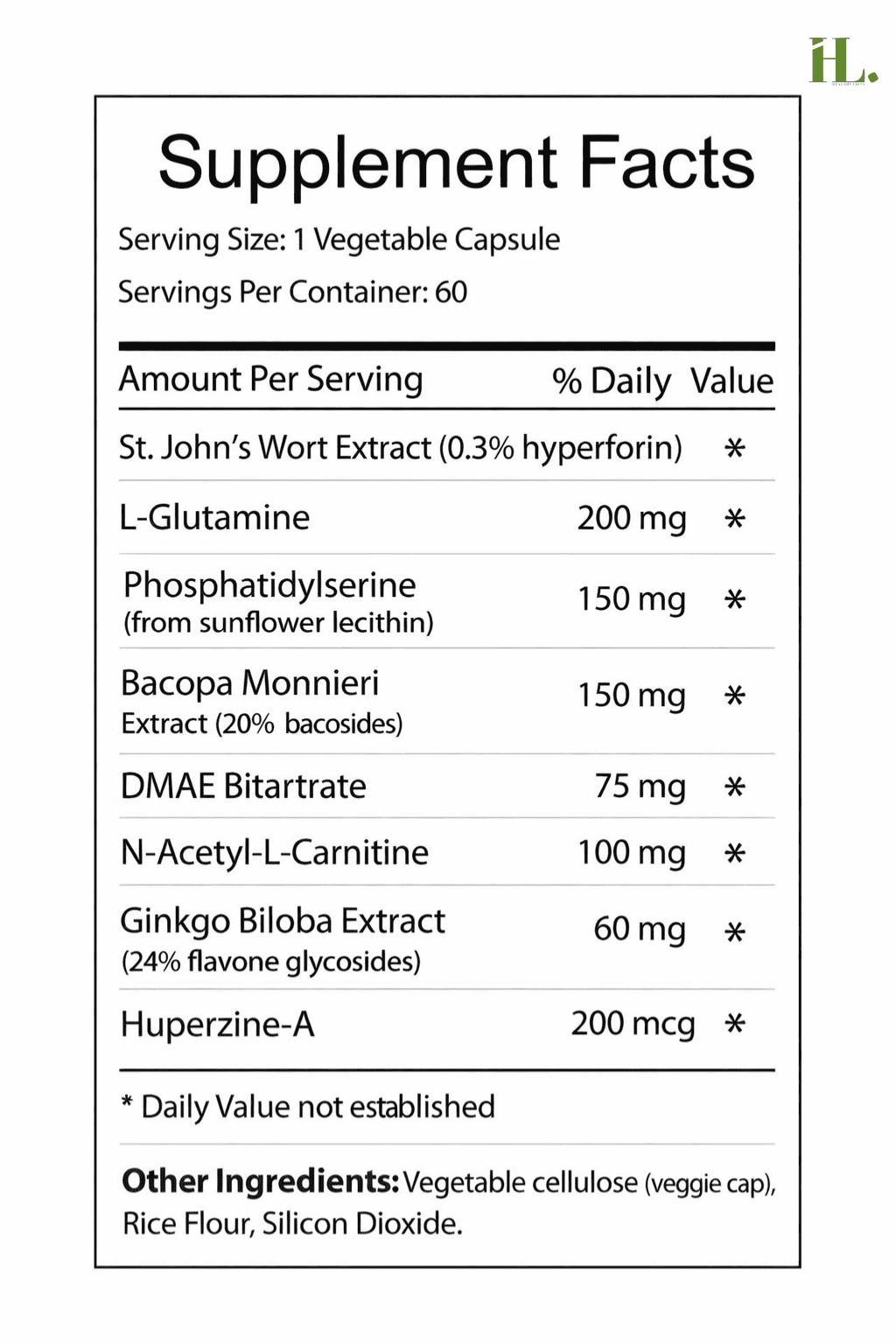
1. Serving Information
The Nutrition Facts label uses serving size as a clear serving reference, showing how much is typically eaten or drunk from a food package, not what you should consume, so it’s not a recommendation. Details like number of servings, servings per container, and overall serving count help you understand intake when having one serving or multiple servings. Labels rely on standardized serving sizes so you can compare similar foods using familiar units such as cups, pieces, or a metric amount like grams or g, reflecting the amount people eat or amount people drink. When intake increases, nutrient amounts, number of calories, %DVs or percent daily values, calorie amounts, and nutrient values rise through simple serving-based calculation, which is why this section matters for everyday choices.
2. The Percentage Daily Value (%DV)
The Nutrition Facts label uses %DV to show how each nutrient in a serving, listed per serving, contributes to the Daily Value within a daily diet or total daily diet. In the DV column, nutrients are measured in grams, milligrams, or micrograms, and the percentage is calculated using clear reference amounts on a same scale from 0-100%DV, making it easier to interpret intake each day. As a practical General Guide, 5% DV is considered low and contributes a little, while 20% DV is considered high and contributes a lot, helping you choose foods wisely. This approach supports smarter decisions around nutrients like Vitamin D, Calcium, Iron, Potassium, Sodium, Dietary Fiber, Saturated Fat, Added Sugars, and total sugars, especially when comparing options vertically across the label to spot a high nutrient or low nutrient choice.
3. Forms of Nutrients
When reviewing Nutrient forms, I focus on how the chemical form influences bioavailability, absorption rate, and real nutrient utilization, since vitamin forms and mineral forms behave differently in the body. Choices like active forms versus inactive forms, natural forms versus synthetic forms, and options such as mineral chelates or amino acid chelates can significantly improve digestive absorption and cellular uptake. From experience, factors like solubility, bio accessibility, and nutrient stability matter just as much, especially when oxidation or degradation reduces effectiveness. Supportive elements, including bioactive compounds, cofactors, synergistic nutrients, and nutrient interactions, enhance nutrient delivery and metabolic efficiency. The final impact depends on gut health, individual variability, nutrient status, and even dosage form, such as capsules or tablets, all of which reflect overall supplement quality.
4. Other Ingredients
When I review other ingredients, I pay close attention to excipients like fillers, binders, additives, coatings, stabilizers, and flow agents, as they influence how capsules and tablets are made and tolerated. Common substances such as magnesium stearate, silicon dioxide, gelatin, artificial colors, artificial flavors, sweeteners, sugars, and sodium compounds can affect tolerability and sometimes lead to digestive issues. I also check for allergen sources including soy, dairy, gluten, and corn, especially for those with sensitivities. Strong ingredient transparency and a clean label signal better ingredient quality, fewer unnecessary ingredients, and safer Supplement formulation. Careful label scrutiny builds consumer awareness and supports informed decisions around ingredient safety.
How to Read Vitamin and Mineral Amounts (%DV)
On a supplement label, the Nutrition Facts label explains vitamins and minerals through nutrient amounts linked to %DV or percent daily value, all based on the listed serving size. These figures show how a supplement contributes to your daily intake, daily requirements, and overall daily diet using established daily values and reference values. Amounts are expressed in milligrams, micrograms, or IU, making it easier to match products to real nutrient needs. From practice, this step alone improves label interpretation and supports smarter dietary intake decisions.
When comparing products, especially multivitamins, I look at high %DV and low %DV to assess nutrient density and make quick nutrient comparison choices. This helps reduce deficiency risk while avoiding excess intake beyond safe upper limits, which is critical for long-term balance. Factoring in bioavailability and absorption improves intake accuracy and overall nutrient balance. Used consistently, this method supports informed dietary planning, practical nutrition guidance, and steady health optimization.
How to Spot Low-Quality vs High-Quality Supplements
Choosing the right product comes down to reading beyond the front label and understanding what truly defines supplement quality. With experience, patterns become clear in how low-quality supplements differ from high-quality supplements, especially in formulation, testing, and transparency:
Low-quality supplements often show weak ingredient sourcing and poor raw materials, using inferior nutrient forms that reduce bioavailability and absorption, combined with excessive fillers, additives, artificial ingredients, and unnecessary excipients. These products may lack dosage accuracy, hide behind poor label transparency, skip purity testing, risk contaminants or heavy metals, rely on misleading claims, and push marketing hype over real results, leading to inconsistent supplement efficacy and low consumer trust.
High-quality supplements prioritize clean formulation integrity, responsible ingredient sourcing, and optimized chelated minerals with active vitamin forms to improve absorption and outcomes. Strong brands back products with third-party testing, robust quality assurance, Verified GMP certification, and strict manufacturing standards, ensuring long-term potency, proper shelf life, reliable consistency, and strong quality control. When paired with evidence-based formulation, research-backed ingredients, solid brand reputation, and a clear, clean label, these standards define true supplement quality.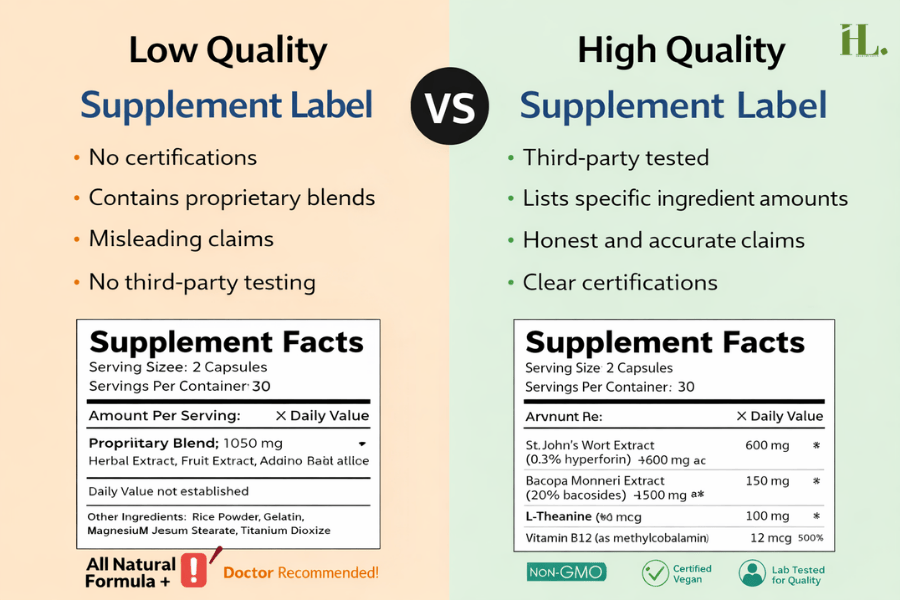
Common Label Claims That Can Be Misleading
Words like natural, all-natural, organic, non-GMO, pharmaceutical grade, clinically proven, and doctor-recommended often sound reassuring, but they are frequently crafted as marketing language rather than proof of quality. Claims such as immune boosting, detox, cleanse, miracle results, fast acting, high potency, and premium quality strongly influence consumer perception, even when the real science behind them is unclear. From experience, these terms can distract readers from what actually matters inside the product.
Phrases like proprietary blend, secret formula, advanced formula, herbal blend, mega dose, or super strength may hide important details, while promises of guaranteed results, no side effects, FDA approved, or FDA registered often rely on fine print, disclaimer statements, and regulatory loopholes. Careful attention to label wording, awareness of exaggerated health claims and structure function claims, and a skeptical view of misleading claims are essential for protecting brand trust and making informed choices.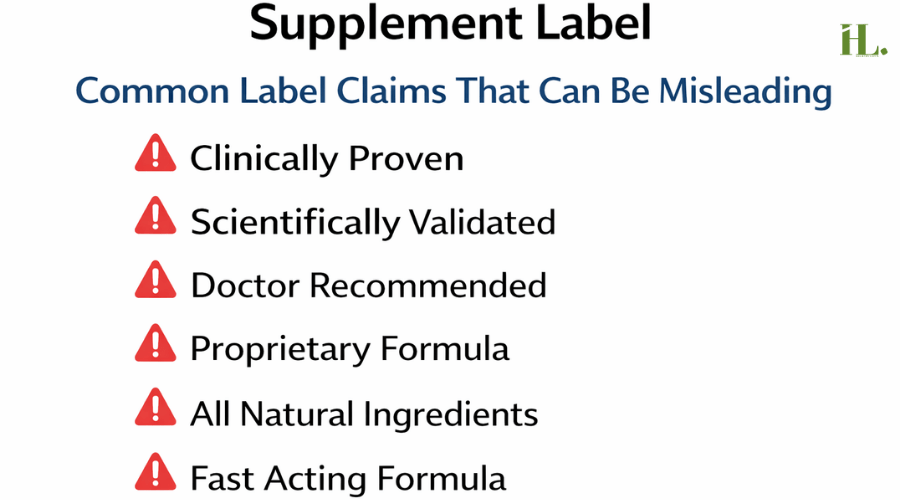
How to Match a Supplement Label With Your Needs
Choosing the right product begins by aligning a Supplement label with your personal needs, health goals, and clear individual goals, while accounting for lifestyle factors such as age, gender, activity level, and diet type. Identifying dietary gaps, existing deficiencies, current nutrient status, and specific condition-specific needs helps define accurate nutrient requirements and safe daily intake. In practice, reviewing serving size, dosage alignment, and %DV comparison ensures the supplement supports nutrient balance and fits your overall routine, including a realistic multivitamin fit.
Effective Supplement selection comes from thoughtful label evaluation and understanding what truly supports personalized nutrition and targeted supplementation. With experience, focusing on quality indicators, label transparency, and practical details builds consumer awareness and leads to an informed choice grounded in evidence-based choice rather than guesswork.
Effective Supplement selection checklist
- Match nutrient requirements with real dietary gaps and health priorities
- Review ingredient suitability, allergen considerations, and personal sensitivities
- Prioritize bioavailability, proper nutrient forms, and efficient absorption
- Compare serving size, daily intake, and %DV comparison for accuracy
- Choose products that support long-term nutrient optimization and balance
Safety Tips Before Using Any Supplement
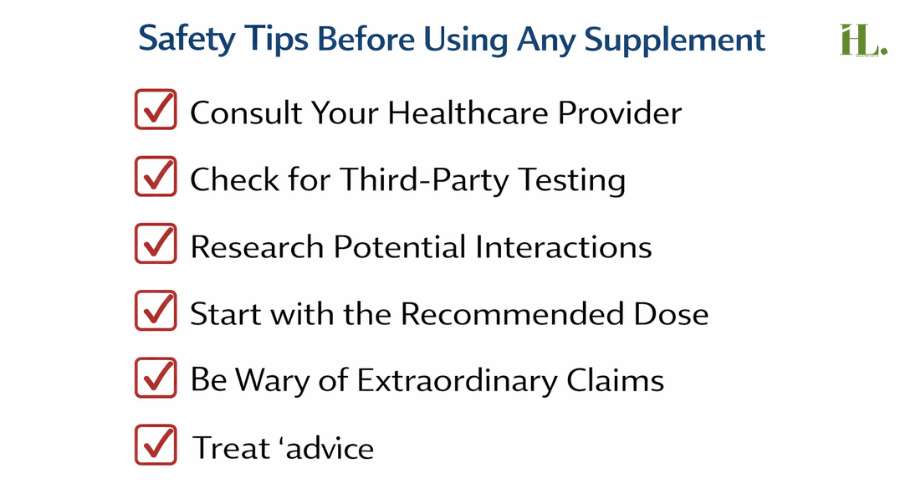
For responsible Supplement use, always follow dosage guidelines, stay within recommended intake, and avoid crossing upper limits, especially if you take medications or have health conditions related to pregnancy, breastfeeding, or specific age factors. Be mindful of nutrient interactions, drug interactions, allergies, sensitivities, and possible side effects or adverse reactions, and follow a start low with gradual increase approach based on label instructions. Seeking professional advice from a healthcare provider or pharmacist, choosing products with third-party testing, high purity, low contamination risk, and checking expiration date and storage conditions supports risk awareness, consumer responsibility, and an informed decision.
Basic Dosage guidelines:
- Follow listed dosage guidelines and never exceed recommended intake
- Stay below established upper limits to avoid excess risk
- Adjust use based on health conditions, medical history, and current medications
- Monitor tolerance and stop if side effects or adverse reactions appear
- Use supplements as part of evidence-based use, not as a substitute for medical care