Most people focus on eating without thinking about the importance of chewing food well, even though it starts in the mouth. From my own experience working with digestion-focused routines, I’ve seen how chewing turns food into smaller pieces that are easier to digest. When food is mixed with saliva, the body can extract the greatest possible amount of nutrients from what we eat, instead of overloading the stomach and intestines with extra work.
In daily life, people often eat fast in front of the television, computer, or during a social gathering, where they tend to chew poorly. This unhealthy habit is linked to overweight and obesity, something many are surprised to learn. I’ve personally noticed that meals eaten while sitting in a relaxed environment help ensure food is sufficiently chewed, supporting adequate digestion and better overall functions.
Table of Contents
- 1 What Does Chewing Food Well Mean?
- 2 Why Chewing Food Well is Important for Digestion?
- 3 What Happens Inside Your Stomach When Food isn’t Chewed Well?
- 4 Are You Eating Too Fast Without Realizing It?
- 5 Why Do You Feel Heavy or Bloated After Eating?
- 6 Can Chewing Food Properly Improve Nutrient Absorption?
- 7 Does Chewing Food Slowly Help You Feel Full Faster?
- 8 Benefits of Chewing Food
- 9 Who Should Pay Extra Attention to Chewing Food Well?
- 10 Should You Chew 32 times Your Food?
- 11 Simple Tips to Chew Food Properly
- 12 Frequently Asked Questions
What Does Chewing Food Well Mean?
Oral digestion is the first active step in digestion, and in my experience, it is where most people unknowingly fall short. Proper chewing improves mastication efficiency, allowing saliva production to release salivary enzymes that support amylase activity early on. This form of mechanical digestion helps with food texture breakdown, smoother bolus formation, and a natural swallowing reflex, which lowers the gastric workload and supports overall digestive health within the gastrointestinal system.
When chewing is slower and more intentional, nutrient absorption, nutrient extraction, and bioavailability improve during intestinal processing. I’ve consistently noticed that mindful eating, balanced eating speed, and better chewing frequency enhance satiety signals, appetite control, and blood sugar regulation, supporting long-term metabolic health. In a calm meal environment, stress-free eating activates the parasympathetic response, improving digestive efficiency, gastrointestinal comfort, and strengthening the gut-brain connection for better digestion support.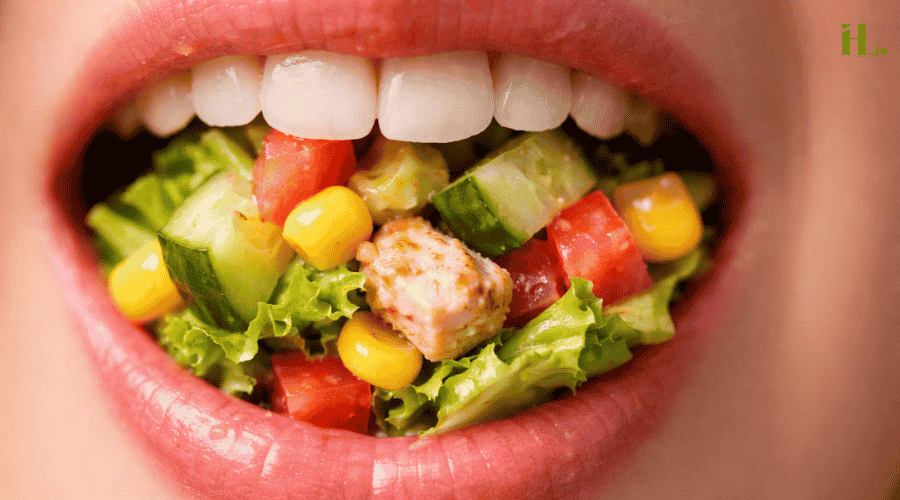
Why Chewing Food Well is Important for Digestion?
Digestion begins in the mouth, where chewing breaks food into smaller particles that are easier to digest. From what I’ve seen in practice, this simple step directly improves nutrient absorption in the intestine, as bioavailability naturally increases when you chew properly. Slower chewing supports more effective Portion control, and solid research shows that eating slowly helps people eat less and lose weight over time.
There’s also a strong link between chewing and the brain, which takes around 20 minutes to send the signal to the body that it feels full. When a person eats too fast, they often consume a higher percent before fullness is recognized. Learning to enjoy and savor meals adds a healthy dimension to eating, making food more palatable and increasing long-term liking, even if it feels difficult to change a particular way shaped over years.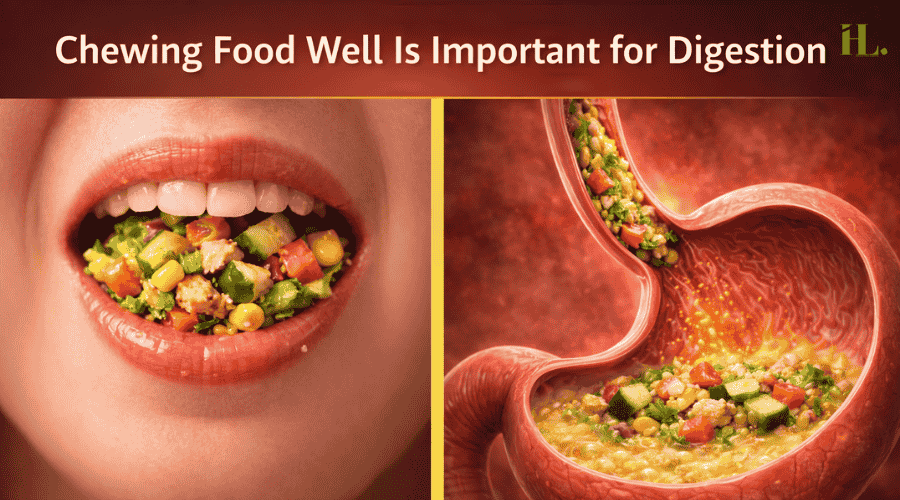
How Proper Chewing Helps the Digestive System?
From my practical experience with mindful nutrition, I’ve seen how proper chewing quietly supports the digestive system by improving how food is prepared in the early stages of digestion and how comfortably the body handles meals overall, especially when eating is slow, relaxed, and intentional:
- Digestion begins with oral digestion and mastication, where teeth action and jaw muscles drive mechanical digestion
- Natural saliva secretion releases salivary enzymes, supporting amylase release and early food breakdown
- Breaking food into smaller particles improves bolus formation and the swallowing process
- Effective chewing leads to stomach workload reduction, improving gastric efficiency and smoother intestinal processing in the gastrointestinal tract
- Better nutrient absorption, nutrient extraction, and bioavailability increase support digestive health and steady gut function
- Slower chewing strengthens satiety signals, appetite regulation, and portion control, helping maintain metabolic balance
Role of Saliva in Breaking Down Food
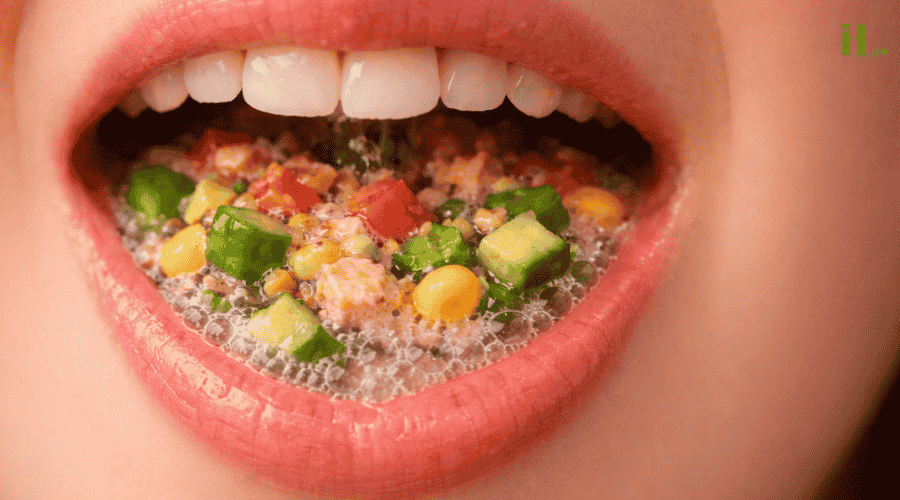
Saliva is a key player in digestion, and from what I’ve observed, people feel the difference when they slow down and let it do its job. Secreted by the Salivary glands in the oral cavity, it works in the mouth during chewing and mastication, supporting smooth food mixing, adding moisture and lubrication, and allowing proper bolus formation for easier swallowing. This early stage combines mechanical digestion with chemical digestion, helping the digestive process run more efficiently as food moves toward the gastrointestinal tract.
Saliva improves digestion in several practical ways:
- Salivary enzymes like amylase enhance enzyme activity, supporting carbohydrate digestion through starch breakdown and gradual glucose release
- Better nutrient availability, bioavailability, and later nutrient absorption reduce unnecessary strain on digestion
- Natural pH balance and antimicrobial properties support oral health, dental protection, tooth enamel, and bacteria control
- Improved taste perception and flavor release encourage chewing thoroughly and slow eating, strengthening satiety signaling and the gut-brain connection
What Happens Inside Your Stomach When Food isn’t Chewed Well?
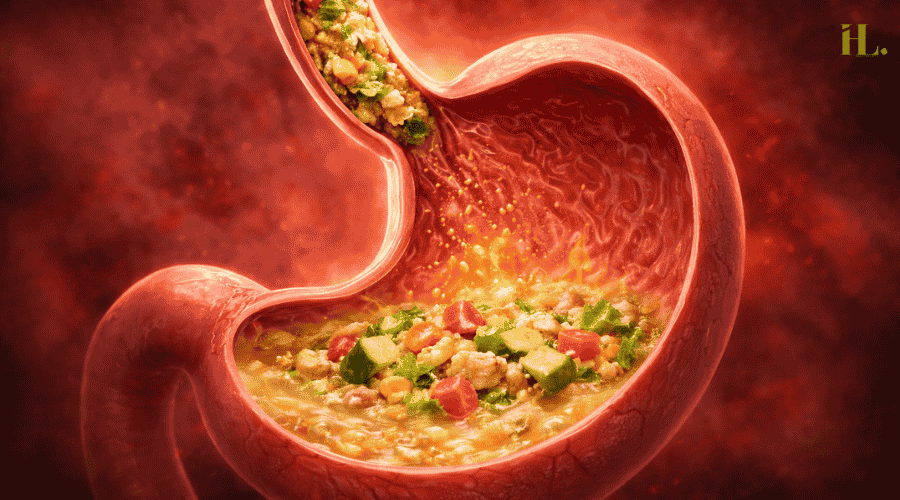
When food reaches the stomach after poor chewing and insufficient mastication, it enters the gastric chamber as large food particles with incomplete oral digestion. This leads to weak bolus formation, difficult swallowing, and an increased stomach workload, often causing gastric overload and delayed gastric emptying. The result is slow digestion, inefficient churning, and added mechanical breakdown strain, which can disrupt pepsin activity, increase gastric acid overuse, and create hydrochloric acid imbalance.
Over time, this internal strain contributes to nutrient malabsorption, low bioavailability, and reduced nutrient absorption, leaving the body short on fuel. People often feel bloating, gas buildup, indigestion, heaviness, and fullness discomfort, sometimes followed by acid reflux or heartburn. I’ve noticed that repeated fast eating habits and rushed meals also affect the gut-brain miscommunication, delay satiety signals, and increase overeating tendency, adding pressure through blood sugar spikes, insulin fluctuation, and ongoing metabolic stress.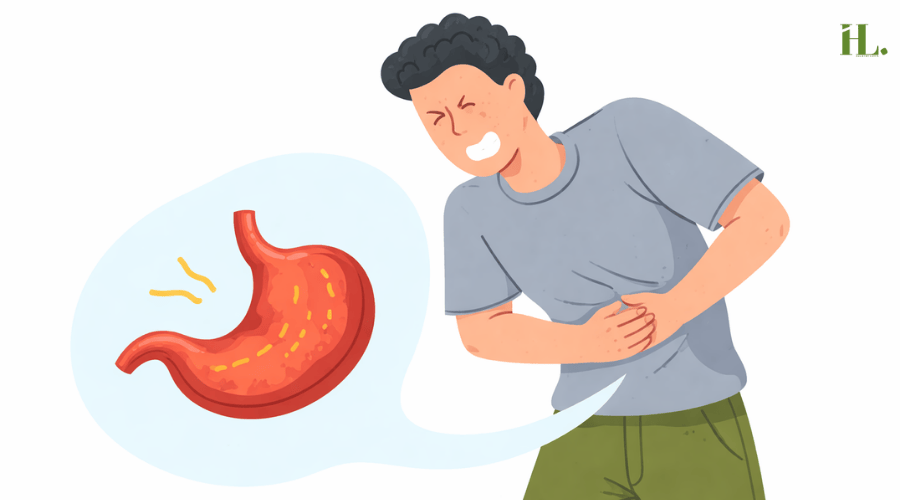
Are You Eating Too Fast Without Realizing It?
Many people slip into eating fast without noticing, as rapid eating becomes normal during rushed meals and distracted eating. In my experience, habits like television eating, mobile use, or work desk eating reduce awareness, leading to chewing less, swallowing quickly, and taking large bites within a short meal duration. This creates delayed satiety because of brain signal delay, often ignoring the 20-minute rule tied to satiety signals and the gut-brain connection. Over time, this pattern encourages overeating, portion distortion, and excess calorie intake, which increases digestive stress, bloating, and poor digestion. With repeated unhealthy habits, people experience blood sugar spikes, altered insulin response, and growing weight gain, all rooted in automatic eating behavior patterns rather than true hunger.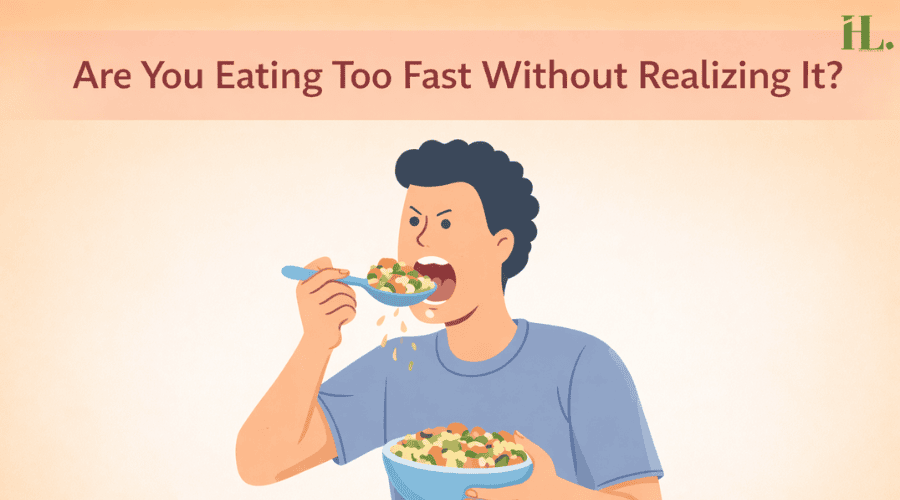
Why Do You Feel Heavy or Bloated After Eating?
Many people experience feeling heavy and bloating because insufficient chewing and eating too fast send large food particles into the stomach after incomplete mastication. This often causes slow digestion, poor digestion, and post-meal fullness, followed by abdominal discomfort. When rapid swallowing combines with salivary insufficiency and low saliva production, oral digestion weakens, leading to poor bolus formation, higher digestive workload, and lower digestive efficiency with delayed gastric emptying.
Over time, these patterns trigger gas buildup, stomach pressure, and gastric overload, especially during distracted eating or screen-time meals. I’ve noticed that overeating, portion excess, and satiety delay worsen gut-brain miscommunication, increasing indigestion, acid reflux, heartburn, and lingering stomach heaviness. Diet choices like processed foods, refined carbohydrates, and excess sugar intake can amplify blood sugar spikes, insulin fluctuation, and metabolic stress, reinforcing recurring digestive discomfort patterns.
How Poor Chewing Slows Down Digestion?
From what I’ve seen repeatedly, poor chewing is one of the main reasons people struggle with slow digestion and constant digestive delay. When insufficient mastication leaves large food particles with incomplete breakdown, it leads to oral digestion failure, often made worse by low saliva and reduced salivary enzymes. This weak start creates weak bolus formation, difficult swallowing, and an increased stomach workload, which slows everything down through delayed gastric emptying and inefficient enzymatic action.
As digestion continues under strain, the body faces intestinal strain, reduced nutrient absorption, low bioavailability, and ongoing nutrient malabsorption. These issues commonly appear as bloating, gas formation, indigestion, heaviness, acid reflux, and heartburn, along with general gut discomfort. In daily life, fast eating, distracted eating, and mindless meals worsen the problem by delaying fullness cues, encouraging overeating, portion excess, blood sugar spikes, and insulin fluctuation, which gradually increase weight gain risk and leave many feeling fatigued after meals.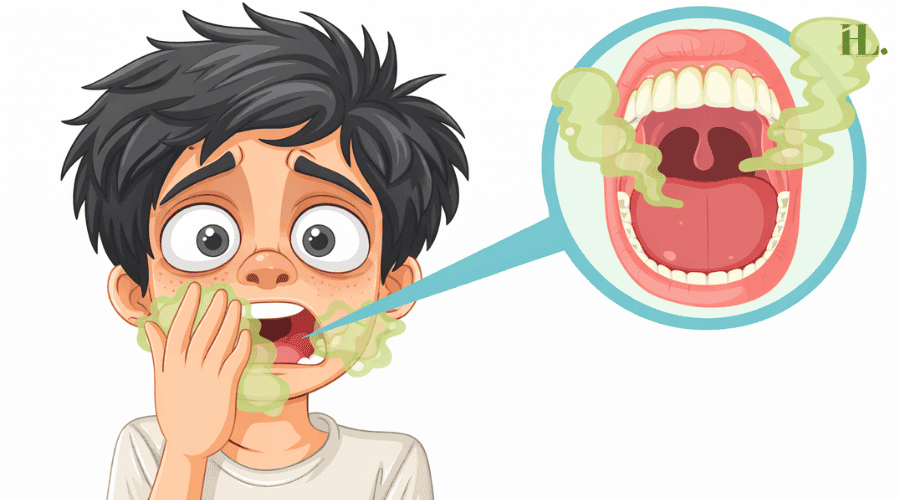
Can Chewing Food Properly Improve Nutrient Absorption?
From my experience, chewing properly improves nutrient absorption by strengthening oral digestion and mastication efficiency, allowing the body to prepare food correctly before it reaches deeper stages of digestion:
- Better mechanical digestion leads to effective food breakdown into smaller particles with increased surface area
- Proper saliva mixing and steady saliva production activate salivary enzymes and amylase activity for early enzymatic digestion
- Balanced bolus formation improves swallowing efficiency, ensuring digestion begins with smoother stomach preparation and reduced gastric workload
When this foundation is strong, the body absorbs nutrients more efficiently:
- Improved intestinal absorption supports small intestine function, nutrient uptake, and overall bioavailability increase
- Enhanced micronutrient absorption, macronutrient absorption, vitamins uptake, and mineral absorption improve nutrient utilization
- Stable blood sugar regulation, healthier insulin response balance, and clearer satiety signaling support metabolic efficiency, portion control, and long-term healthy digestion
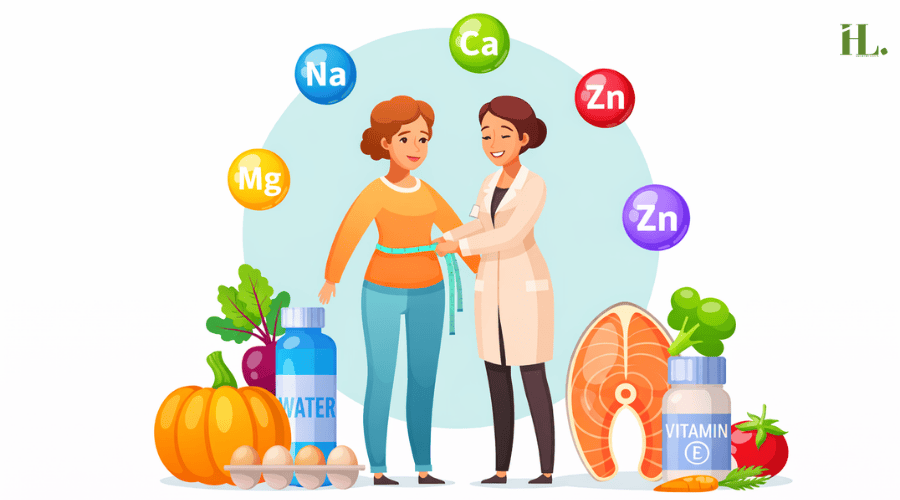
Why Your Body Can’t Use Nutrients From Poorly Chewed Food?
When poorly chewed food reaches the digestive tract, the problem starts with insufficient chewing and incomplete mastication, which cause oral digestion failure. I’ve seen how large food particles with low surface area limit enzyme contact, leading to weak bolus formation, swallowing difficulty, and early delayed digestion. This places increased stomach workload on the system, often resulting in gastric overload, inefficient churning, and hydrochloric acid overuse, while low saliva, reduced saliva production, low salivary enzymes, and amylase reduction reduce the effectiveness of digestion from the very beginning.
As digestion continues, enzyme inefficiency interferes with protein digestion impairment, carbohydrate digestion delay, and fat digestion disruption, placing extra strain through pancreatic enzyme strain and bile interaction reduction. This creates intestinal processing stress, leading to small intestine absorption decline, nutrient absorption failure, nutrient uptake reduction, low bioavailability, and full nutrient malabsorption. Over time, the body experiences micronutrient loss, macronutrient utilization issues, vitamin absorption decrease, and mineral uptake reduction, weakening overall gut function impairment and driving gastrointestinal inefficiency.
When poorly chewed food enters the system due to insufficient chewing and incomplete mastication, digestion slows down quietly, and the body starts showing subtle but consistent signs that something is off:
- Frequent bloating, heaviness, and uncomfortable post-meal fullness
- Ongoing slow digestion with mild indigestion and gas formation
- Feeling tired due to low bioavailability and poor nutrient absorption
- Repeated overeating tendency caused by delayed satiety signals
- Energy crashes linked to blood sugar spikes and insulin imbalance
- Digestive unease made worse by fast eating habits and rushed meals
Does Chewing Food Slowly Help You Feel Full Faster?
In my experience, chewing slowly helps the body recognize fullness sooner by improving satiety signals and smoother brain signaling through the gut-brain connection. When slow eating increases meal duration, the body has time to follow the 20-minute rule, reducing delayed satiety and supporting better appetite control and hunger regulation. A calmer eating pace also encourages proper mastication, steady chewing frequency, and complete oral digestion.
This slower rhythm improves digestion and satisfaction at the same time. Better saliva production, active salivary enzymes, and smooth bolus formation prepare food as digestion begins, easing stomach preparation and lowering digestive workload for higher digestive efficiency. Over time, this supports natural portion control, reduced food intake, and healthier blood sugar regulation, making weight management feel easier while increasing eating satisfaction through better flavor release and savoring food.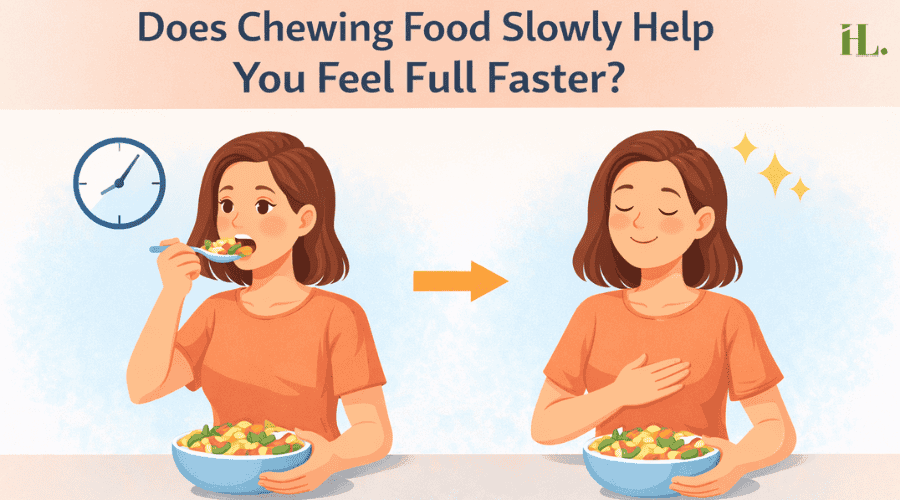
Benefits of Chewing Food
In everyday eating, chewing is the first step of digestion, where saliva helps break down and mix food in the mouth before you swallow. Proper chewing allows food to move smoothly through the esophagus into the stomach, where enzymes continue breaking down food until it is digested enough to reach the small intestine for nutrient absorption. From both experience and research, slowing down chewing supports better digestion, helps people reduce food intake, feel fuller, and improves the body’s ability to absorb nutrients, which is why experts consistently link chewing properly with healthier eating patterns:
Better Nutrient Absorption
Better nutrient absorption happens when food is chewed thoroughly, allowing it to break into finer textures that the body can process more efficiently. Proper chewing improves digestive efficiency, increases bioavailability, and supports smoother nutrient utilization in the small intestine, instead of nutrients passing through unused. From my experience, people who slow down their chewing consistently absorb more from the same meals, supporting steady energy, balanced digestion, and a stronger connection between chewing habits and overall nutritional value.
Reduced Bloating and Gas
Reduced bloating and gas often come down to how well food is chewed before digestion begins. When chewing is slow and thorough, food enters the stomach in a form that is easier to process, lowering digestive strain and reducing excess air and fermentation in the gut. In my experience, people who improve their chewing habits notice less abdominal pressure, smoother digestion, and greater gastrointestinal comfort, simply because the digestive system isn’t forced to overwork on poorly prepared food.
Supports Gut Health and Metabolism
Proper chewing directly supports gut health and metabolism by improving digestive efficiency and reducing stress on the digestive system. When food is chewed thoroughly, it is processed more effectively, helping maintain a balanced gut environment and supporting healthy gut function. From my experience, consistent chewing habits improve nutrient utilization, stabilize metabolic processes, and support smoother digestion, which together contribute to better energy regulation and long-term metabolic balance.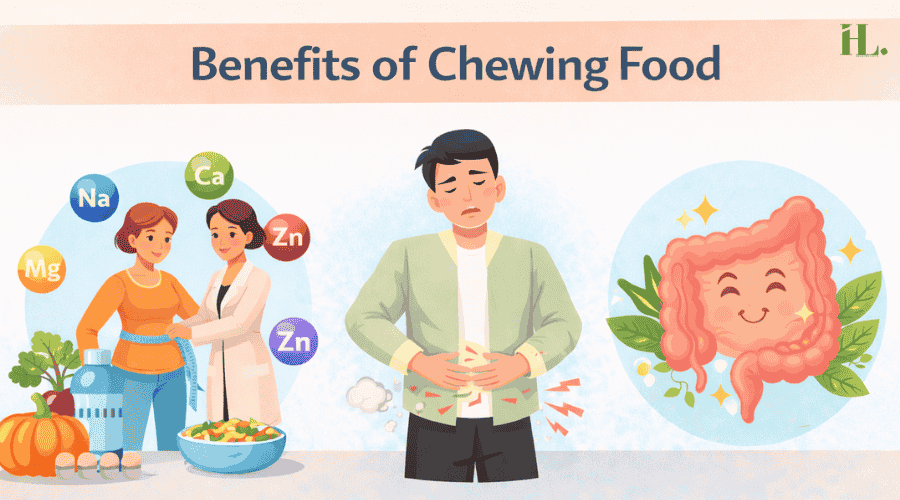
Who Should Pay Extra Attention to Chewing Food Well?
People with digestive issues are often the first to notice problems when chewing is rushed, including those facing poor digestion, bloating sufferers, acid reflux patients, heartburn experience, indigestion problems, gas complaints, and slow digestion. Ongoing gastrointestinal discomfort, gut sensitivity, and irritable bowel tendencies are commonly linked with nutrient malabsorption, low bioavailability, fatigue after meals, and low energy levels, which can gradually contribute to metabolic inefficiency, weight gain risk, and rising obesity risk when food is not chewed well.
Extra attention is also important for fast eaters, people used to rushed meals, distracted eating, and screen-time eating, as these habits often lead to overeating habits, portion control difficulty, appetite dysregulation, and delayed satiety signals. Groups such as elderly individuals with reduced saliva production, dental issues, missing teeth, or weak jaw muscles, along with children developing habits, weight loss seekers, nutrition-conscious individuals, busy professionals, and health-conscious adults, can all benefit from improved chewing to reduce blood sugar spikes, lower insulin resistance risk, and support steadier digestion and energy.
Should You Chew 32 times Your Food?
The idea of a fixed chewing count, such as 32, often misses the real point of chewing. What matters more is chewing frequency that allows proper chewing and effective mastication, where oral digestion can fully support food breakdown into smaller food particles. As texture softens and changes, better saliva mixing, steady saliva production, active salivary enzymes, and natural amylase activity help create smooth bolus formation and natural swallowing readiness, showing that digestion begins before food ever reaches the stomach.
Rather than tracking the number of chews, focusing on mindful eating and slow eating improves eating pace, bite size control, and chewing awareness. This approach supports clear satiety signals, timely fullness recognition, stronger appetite control, and consistent portion control, reducing overeating and prevention issues linked to the gut-brain connection, brain signaling, and the 20-minute rule. Over time, this style of chewing supports digestive efficiency, improves nutrient absorption, stabilizes blood sugar regulation, and contributes to sustainable weight management.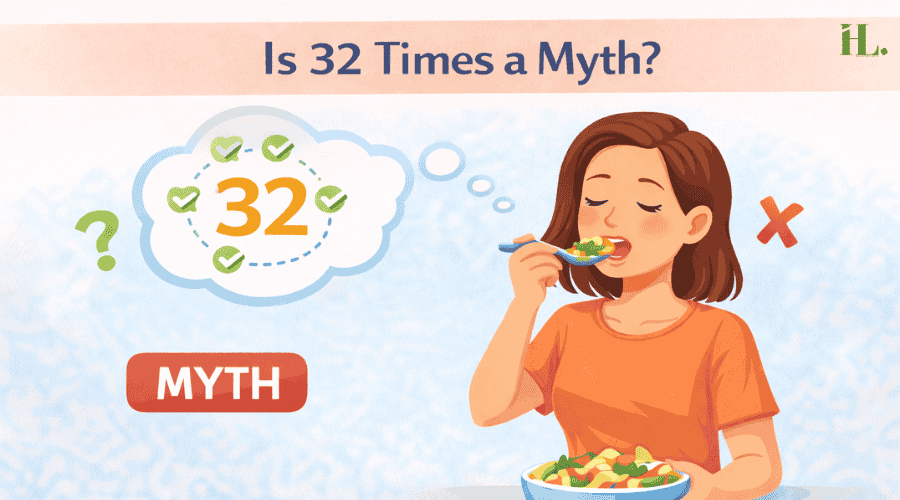
Simple Tips to Chew Food Properly
To chew food properly, focus on slowing down and building awareness during meals rather than counting chews or forcing habits:
- Take smaller bites and keep steady bite control so food stays easy to manage
- Maintain a natural chewing frequency and chew thoroughly until the food texture breakdown feels soft
- Support oral digestion by allowing saliva stimulation and active salivary enzymes to work
- Use a short pause between bites, practice fork resting, and keep smooth meal pacing
- Eat in seated meals with a relaxed posture and calm environment, avoiding phone-free meals and television avoidance
- Build mindful eating through flavor awareness, savoring food, and better satiety recognition, which naturally improves portion control and eating satisfaction