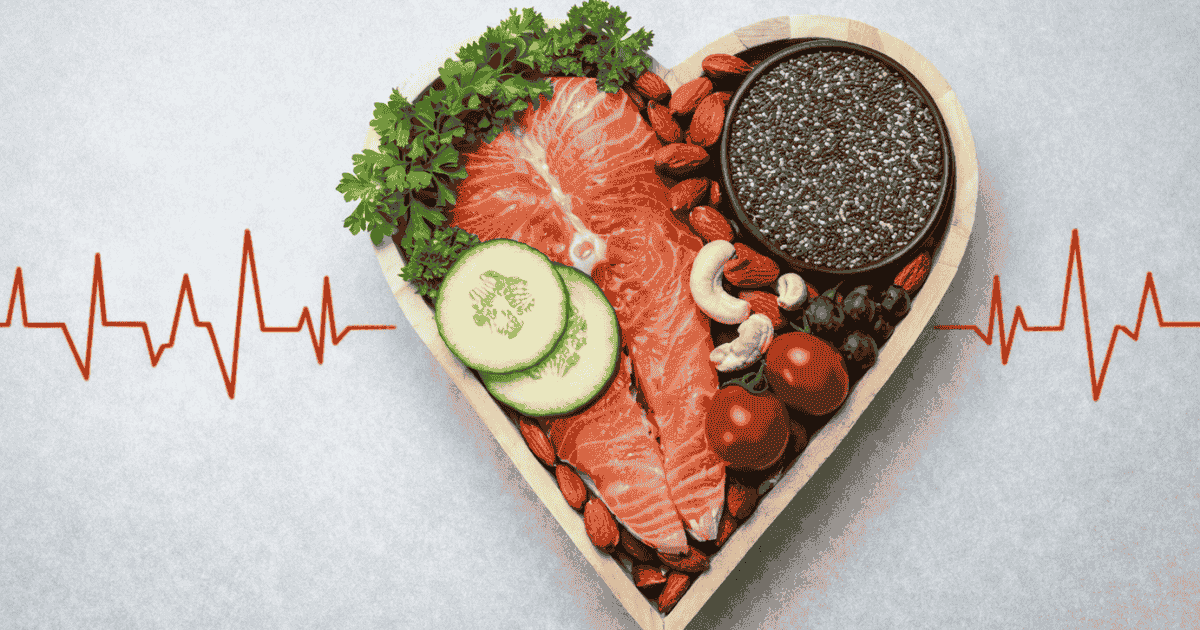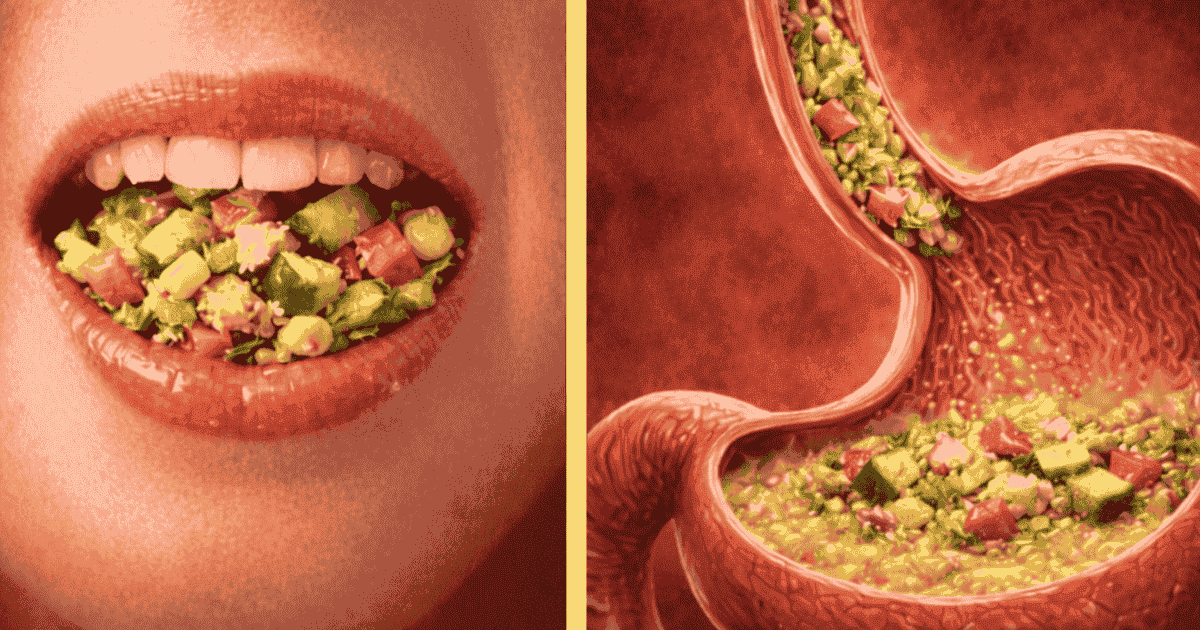
In real life, Portion Control Without Overeating isn’t about eating less; it’s about eating smart, and I’ve learned this both professionally and personally. Many people focus on what they eat but forget how much they eat, which quietly leads to weight gain even with healthy foods. Understanding serving size helps create balance, especially when meals include lean protein, fruits, veggies, and whole-grain carbs. When food portions align with individual needs, energy improves and feeling constantly fatigued becomes far less common.
An overall healthy diet feels natural when healthy eating is built around awareness rather than restriction. Proper portions support successful weight management and lower the risk of obesity, diabetes, and heart disease without turning meals into math. I’ve seen lasting weight loss happen when people learn to determine appropriate portions instead of cutting foods out entirely. This approach makes room for enjoyment, supports consistency, and keeps health goals realistic long-term.
Table of Contents
- 1 What are Food Portions?
- 2 Strategies for Effective Portion Control Without Overeating
- 3 Why Portion Control Fails for Most People?
- 4 Serving Size vs Portion Size
- 5 Portion Control Without Counting Calories
- 6 How to Train Your Body to Feel Full With Smaller Portions
- 7 Habits That Naturally Reduce Portion Sizes
- 8 Common Portion Control Mistakes
- 9 Habit Eating VS True Hunger
- 10 How Protein and Fiber Help Control Portions Naturally
- 11 Simple Visual Cues to Measure Portions Without Tools
- 12 Frequently Asked Questions
What are Food Portions?
In simple terms, a food portion is the amount of food you choose to put on your plate, and over time, I’ve learned how powerfully this affects both body and mindset even you can calculate your Plate plan calculator. Eating larger portions, especially of processed foods, can quietly increase energy intake and lead to weight gain and fatigue, even when meals feel normal. Shifting to appropriate portion sizes helps the body respond better physically and emotionally, particularly when meals center on healthy foods like vegetables, lean protein, and whole grains such as brown rice. This balance supports maintaining a healthy weight, reduces adverse health effects, and makes everyday eating feel more natural and sustainable.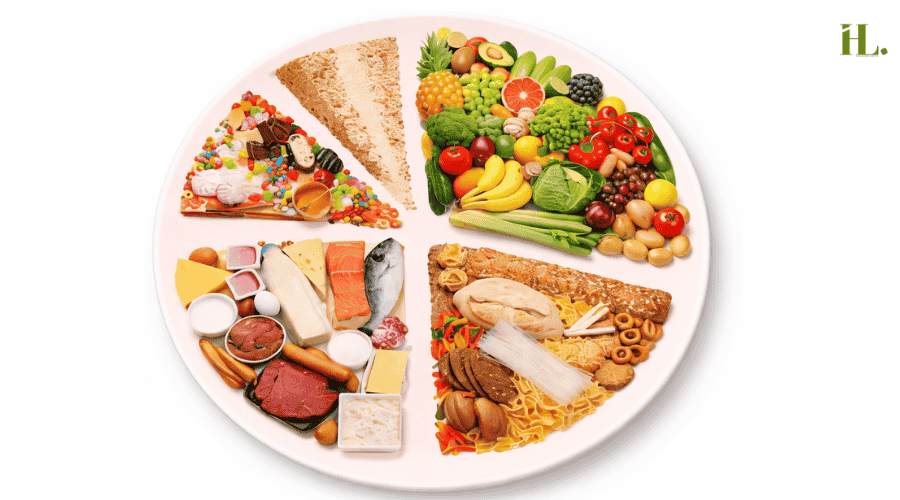
Strategies for Effective Portion Control Without Overeating
The quantity of food you consume has a direct effect on how your body performs each day. Consistently eating less than your body needs can result in:
- Ongoing tiredness and reduced daily stamina
- Mood changes and strain on emotional well-being
- Reduced concentration during work or mental tasks
- Less motivation or ease in social interactions
- Difficulty regulating body warmth
- Limited endurance for walking or handling demanding activities
- Hormonal stress responses that may eventually promote fat storage
On the other hand, regularly eating more than your body can handle, especially without enough movement, may lead to:
- Heavy, low-energy feelings throughout the day
- Discomfort after meals, including upper digestive irritation
- Disrupted sleep patterns
- A greater likelihood of carrying excess body weight
Carrying excess weight over time increases vulnerability to several long-term health problems, such as:
- Elevated blood pressure levels
- Cardiovascular complications
- Blood sugar regulation disorders
- Joint stress and mobility-related conditions
- Gallbladder-related complications
- Breathing interruptions during sleep

Why Portion Control Fails for Most People?
Portion control often fails because attention is placed only on calorie intake, while deeper eating habits and everyday lifestyle habits are ignored. This narrow focus leads to overeating, rising portion sizes, and unnecessary calorie consumption, even when people aim for weight loss. Without a clear awareness of hunger cues and satiety signals, it becomes difficult to recognize fullness, causing gradual weight gain and a decline in overall diet quality.
Sustainable progress comes from aligning portions with body needs rather than strict rules. Emphasizing balanced nutrition, choosing nutrient-rich foods that supply essential vitamins and minerals, and practicing mindful eating encourage better food choices and long-term consistency. When portion control supports realistic maintenance goals and encourages long-term changes, it helps build a healthier relationship with food instead of repeated cycles of restriction.
Why Your Plate Size Is Secretly Making You Overeat?
The plate size illusion works through subtle visual cues that shift serving perception, creating portion distortion when meals land on oversized plates. This psychological influence normalizes larger portions, increases energy intake and calorie intake, and nudges self-serving portions upward without notice. As food presentation and environmental triggers dominate, mindless eating and distracted eating reduce portion awareness. Blunted fullness signals and satiety cues follow, reshaping eating behavior. These patterns gradually lock in habitual overeating across everyday consumption patterns.
Resetting visuals helps restore appetite regulation and lowers weight gain. Switching to smaller plates reframes portions, supports balanced meals, and boosts meal satisfaction through clearer behavioral cues. When conscious eating replaces autopilot, portion control challenges ease, and choices feel intentional. Pairing this shift with mindful eating aligns intake with needs rather than appearances. Consistent lifestyle habits then keep portions steady without effort.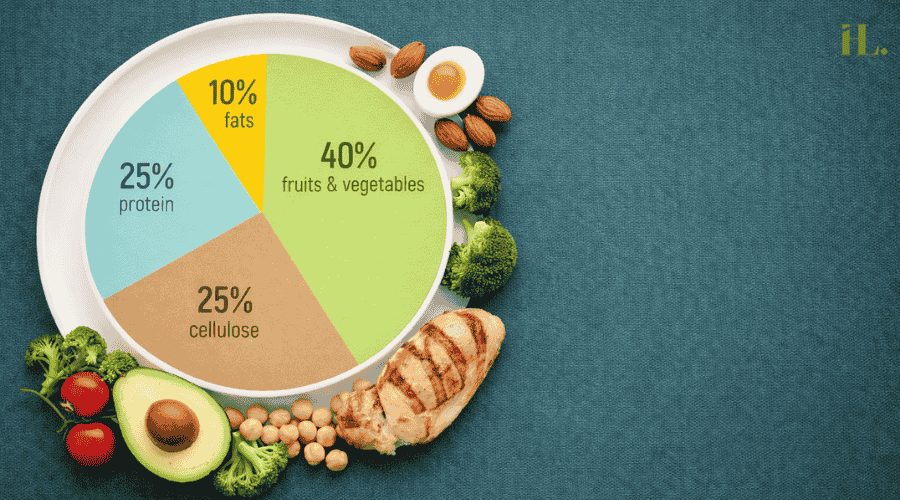
How Oversized Portions Lead to Overeating Without You Realizing?
Oversized portions quietly change how people eat by increasing portion sizes through larger servings, plate size, and subtle visual cues in the surrounding food environment. This creates portion distortion, where normal-looking meals raise calorie intake and energy intake without triggering concern. As eating habits adapt, habitual eating and distracted eating become common, reducing awareness of real needs and encouraging mindless eating driven more by setting than hunger.
Over time, lack of awareness weakens hunger signals, fullness signals, and satiety cues, disrupting appetite regulation and increasing unnecessary calories. This pattern leads to gradual weight gain, reinforces overeating, and creates ongoing self-control challenges with a lasting metabolic impact on dietary behavior. Re-aligning portions supports balanced nutrition by restoring attention to internal cues rather than external prompts.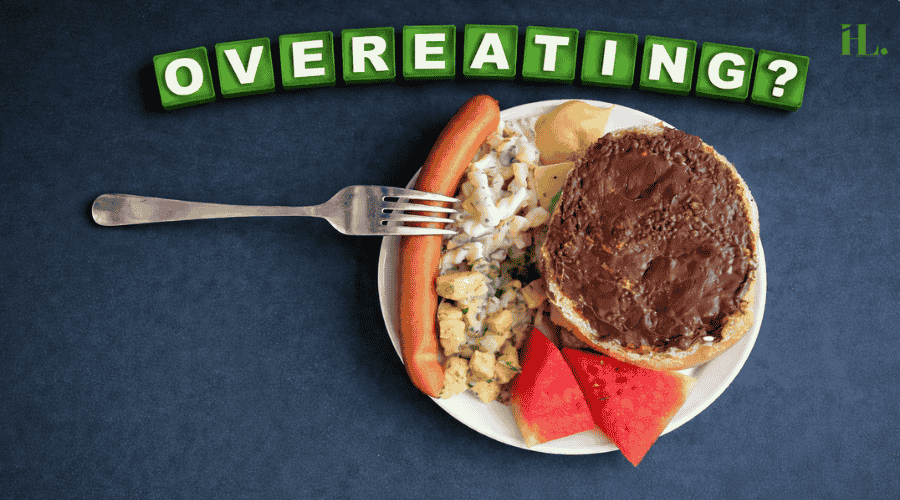
Serving Size vs Portion Size
| Aspect | Serving Size | Portion Size |
|---|---|---|
| Definition | A set amount of food defined by dietary guidelines and shown on the nutrition facts label | The amount of food eaten at one time, based on individual choice |
| Where it appears | Listed on the food label of packaged food with serving information | Determined by plate portion, self-served quantity, and eating situation |
| Measurement | Fixed (e.g., half a cup, two cups of pasta, four servings, per serving) | Variable and influenced by hunger level, plate size, and meal context |
| Purpose | Helps track calories, daily value percentage, and specific amount of nutrients | Reflects real-life eating behavior and consumption patterns |
| Nutrient reference | Shows nutrients like fiber, dietary fiber, added sugars, sodium, potassium, iron, vitamins, saturated fat, processed fats | May exceed or fall below nutrient needs depending on intake |
| Calories | Used to calculate calorie intake based on 1,600–3,200 calories per day | Drives actual energy consumption and overeating risk |
| Example | Recommended serving of cereal or whole grain pasta listed on the package | Eating more or less than the listed serving in one sitting |
| Population basis | Designed for adults, factoring age, gender, and activity level | Influenced by personal needs, lifestyle, and food availability |
| Containers | Accounts for servings per container | Often ignores container size |
| Health impact | Supports understanding of daily recommended intake and nutrition planning | Affects weight management, portion control, undereating, or excess intake |
| Awareness factor | Relies on reading and understanding the nutrition facts label | Shaped by visual cues, portion distortion, and eating environment |
| Regulation | Standardized and consistent | Flexible and habit-driven |
| Long-term role | Guides balanced nutrition and label literacy | Shapes dietary habits, appetite regulation, satiety signals, and fullness awareness |
| Control strategy | Helps compare foods accurately | Improved through mindful eating, portion awareness, and balance |
Portion Control Without Counting Calories
Mindful eating centers meals around awareness rather than tracking, helping people notice hunger cues, fullness signals, and overall satiety awareness as they eat. Tools like the plate method, visual portion cues, and hand-size portions simplify choices and improve portion awareness without pressure. Eating slowly supports digestion and increases meal satisfaction, while better food quality from nutrient-dense foods naturally balances intake. Including steady protein intake, fiber-rich foods, and healthy fats strengthens appetite regulation and stabilizes daily eating habits.
This approach fits naturally with intuitive eating, encouraging conscious choices shaped by emotional eating awareness and smart meal timing. A supportive food environment, paired with stress reduction and overall lifestyle balance, helps maintain progress without extremes. With consistency, these habits become sustainable nutrition, leading to gradual behavior change and reliable long-term weight management.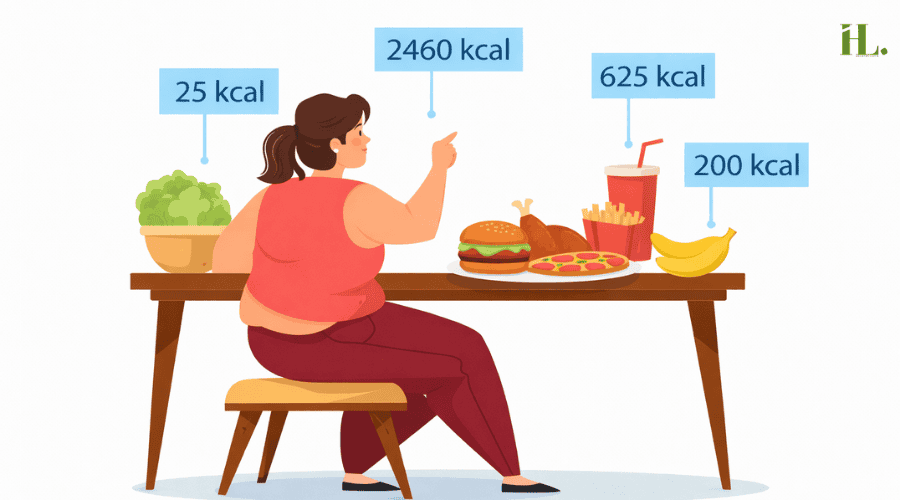
How to Train Your Body to Feel Full With Smaller Portions
Feeling satisfied with less food begins by strengthening satiety signals through eating slowly, chewing thoroughly, and improving fullness awareness during meals. These habits support hunger regulation and steady appetite control, making portion reduction easier when paired with mindful eating. Meals built around fiber-rich foods, sufficient protein intake, and smart hydration habits improve meal satisfaction while supporting the natural digestion process. Including volume foods and increasing vegetable intake within balanced meals enhances food quality and sharpens sensory awareness.
Over time, consistency allows stomach adaptation and strengthens the gut-brain connection, improving blood sugar balance and reducing reliance on old habitual eating patterns. When meal timing aligns with daily rhythms and emotional regulation is supported, portion awareness grows naturally. These shifts encourage intuitive eating, reinforce healthy lifestyle habits, and promote long-term adaptation through sustainable eating rather than rigid control.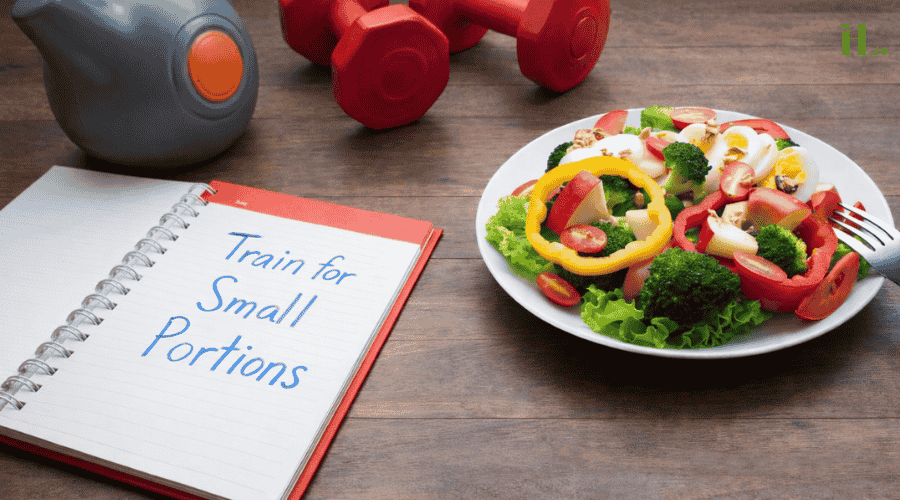
Habits That Naturally Reduce Portion Sizes
Portion control works best when daily eating is guided by mindful eating, portion awareness, and satiety awareness rather than numbers, using signals like hunger cues and fullness signals to support natural appetite regulation, while focusing on food quality, balanced meals, and sustainable nutrition that fit real life and long-term habit formation:
- Eating slowly and chewing thoroughly to improve digestion support and awareness
- Using smaller plates and prioritizing volume foods and vegetable intake
- Building meals around steady protein intake and fiber-rich foods
- Maintaining smart hydration habits and consistent meal timing
- Reducing interruptions through reduced distractions and stronger emotional eating control
- Choosing more home-cooked meals for better conscious choices
- Supporting lifestyle balance with stress management and improved sleep quality
- Strengthening consistent routines, routine consistency, and intuitive eating habits
Common Portion Control Mistakes
Portion control often fails when daily decisions focus on convenience rather than awareness, making it easier to consume too few or too many calories and overlook food quality, which slowly disrupts balance and consistency in eating patterns:
- Choosing drinks high in sugar, such as processed juices and sodas
- Buying larger packages of unhealthy foods, which encourages overeating instead of normalizing smaller treats with low nutritional value
- Skipping or delaying meals, increasing the likelihood of overeating later rather than eating at regular times
- Estimating portion sizes instead of using measuring cups or tools to determine the right amount
- Focusing only on calorie intake while ignoring the nutritional value of what you eat
Habit Eating VS True Hunger
| Habit Eating | True Hunger |
|---|---|
| Triggered by emotions, stress, or boredom | Driven by physical need |
| Cravings appear suddenly | Hunger builds gradually |
| Eating happens on autopilot | Eating is a conscious choice |
| Often ignores fullness | Stops when satisfied |
| Seeks comfort rather than nourishment | Aims to meet nutrient needs |
| Leaves hunger returning quickly | Provides lasting satisfaction |
How Protein and Fiber Help Control Portions Naturally
Meals built around protein intake and fiber-rich foods activate satiety signals and fullness hormones, supporting steady appetite regulation without strict tracking. Lean protein slows digestion speed, while soluble fiber and insoluble fiber delay gastric emptying, helping maintain blood sugar balance and natural hunger reduction. This pairing increases meal satisfaction, boosts nutrient density, and supports gut health, especially when meals emphasize plant-based foods and whole foods that require more chewing effort.
These effects improve energy intake control, reduce urges through reduced cravings, and maintain stable energy levels across the day. Combined with balanced meals, portion awareness, and mindful eating, protein and fiber offer strong metabolic support and sustained fullness. Over time, this pattern encourages eating frequency control, reinforces weight management support, builds dietary consistency, and enables reliable natural portion control.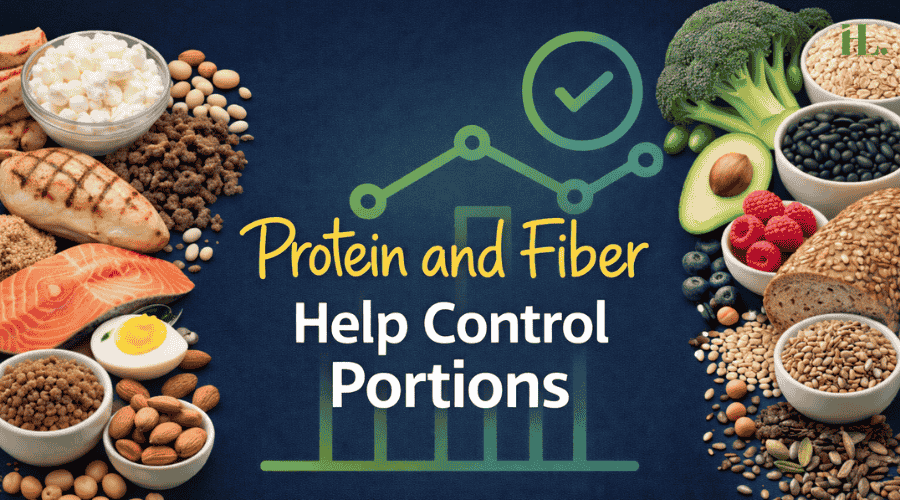
Simple Visual Cues to Measure Portions Without Tools
Simple visuals make portioning easier without tools by using hand-size portions that rely on the palm reference, fist measurement, and thumb portion for quick visual estimation. These cues improve serving perception and reduce guesswork by linking food to familiar shapes and everyday objects. Combined with the plate method, they strengthen portion awareness and support balanced meals that include clear protein portions, carbohydrate portions, fat portions, and vegetable portions. This approach encourages mindful eating and steadier portion control without strict tracking.
With consistency, visual cues build visual memory that lowers portion distortion and supports intuitive eating. As eating habits settle, self-regulation improves, and calorie awareness becomes more natural. Thoughtful meal planning and a supportive eating environment reinforce lifestyle balance. Over time, hunger cues and fullness signals guide intake, helping create sustainable habits that fit daily life.