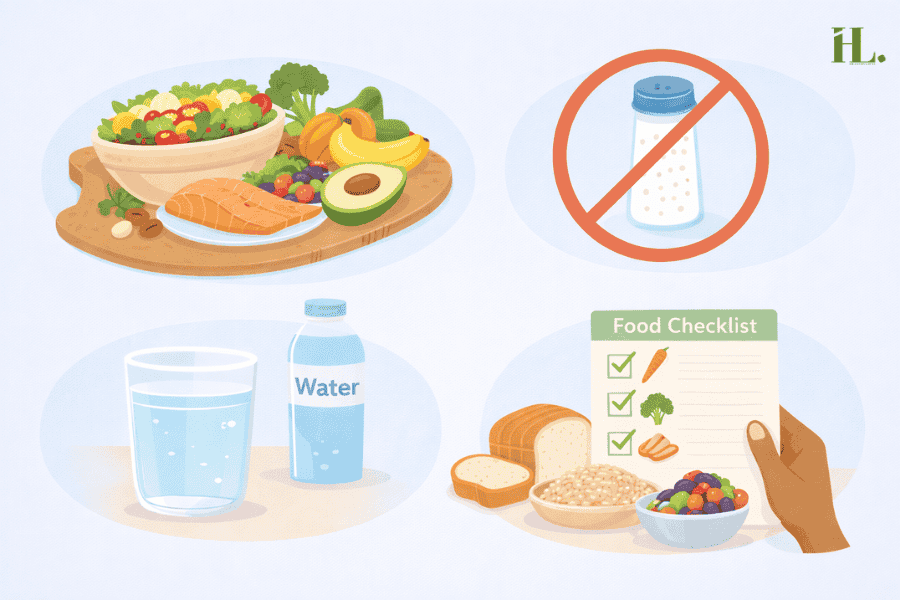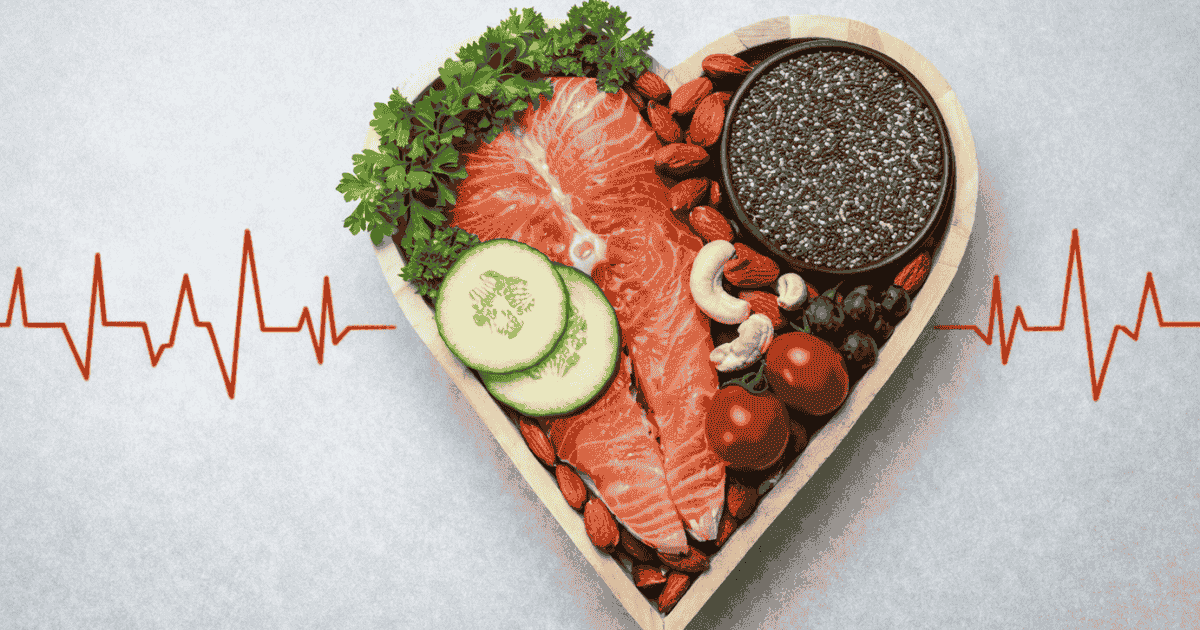
A well-planned approach for pregnancy induced hypertension diet, often referred to as PIH diet or gestational hypertension diet, plays a direct role in stabilizing maternal blood pressure and lowering preeclampsia risk. From clinical experience, focusing on maternal nutrition through a balanced antenatal diet supports placental health and healthy fetal growth, especially when systolic pressure and diastolic pressure begin to rise. The goal is not restriction, but smarter nourishment that protects both mother and baby while maintaining steady cardiovascular function.
An effective plan emphasizes low-sodium diet principles with mindful sodium restriction, limiting processed foods avoidance in favor of clean eating, whole foods, and home-cooked meals. Including potassium rich foods, adequate magnesium intake, and calcium adequacy helps maintain electrolyte balance, while proper hydration status and consistent water intake assist with edema management. When combined with portion control, gentle meal timing, and guidance from nutrition counseling, this structured approach improves diet compliance and supports long-term maternal health beyond pregnancy.
Table of Contents
- 1 What is Pregnancy Induced Hypertension?
- 2 Why Diet Matters in Pregnancy Induced Hypertension?
- 3 Key Nutrients in Pregnancy Induced Hypertension Diet
- 4 Foods to Eat With Pregnancy Induced Hypertension
- 5 Foods to Avoid During Pregnancy Induced Hypertension
- 6 Sample Dietary Plan for PIH
- 7 Role of Salt & Fluid Intake in PIH
- 8 Lifestyle Tips to Manage PIH
- 9 Dietary Tips to Manage PIH
- 10 Frequently Asked Questions
What is Pregnancy Induced Hypertension?
Pregnancy-Induced Hypertension (PIH), also called Gestational Hypertension, is a condition where high blood pressure develops after 20 weeks of pregnancy in a woman who previously had normal blood pressure. In many cases, it appears without other signs such as protein in the urine, which is why careful monitoring becomes essential as pregnancy progresses. From clinical observation, consistent regular checks help detect early changes and protect both the mother’s and the baby’s health, especially since untreated cases can sometimes advance toward more serious complications.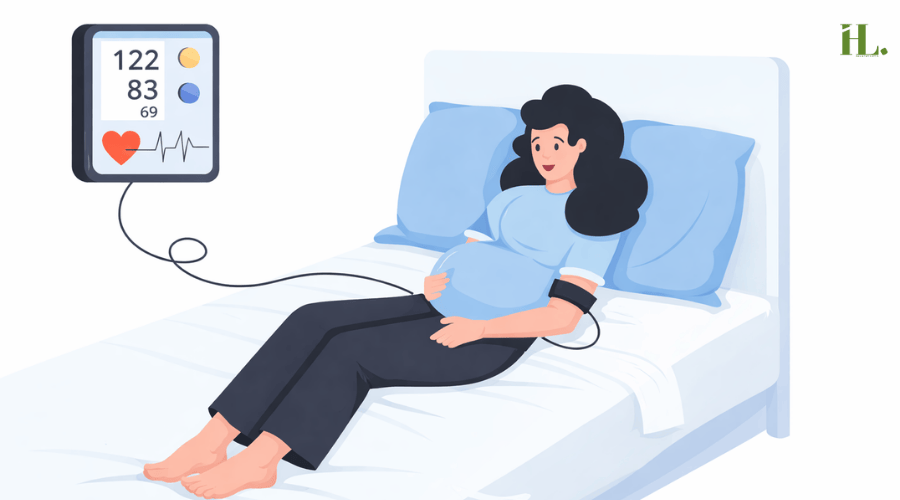
Why Diet Matters in Pregnancy Induced Hypertension?
Diet plays a critical role in managing and reducing the risk of Pregnancy induced hypertension, including PIH, because it acts as a powerful modifiable risk factor during pregnancy. In practice, I’ve seen how proper nutrition can directly influence key physiological mechanisms like inflammation, oxidative stress, and endothelial function, which otherwise lead to high blood pressure. When dietary care is consistent, it helps prevent severe complications, supporting both the mother and fetus while lowering the chances of long-term pregnancy-related risks. Some of the reasons are given below:
Blood Pressure Regulation
A balanced diet plays a practical role in reducing strain on blood vessels by supporting healthy vascular function, something I’ve seen improve steadily when dietary choices are adjusted early. Nutrients like potassium, magnesium, and calcium, especially when drawn from rich food sources, aid muscle relaxation and help lower blood pressure, while keeping sodium low minimizes fluid retention. Many care plans quietly borrow from Dietary Approaches to Stop Hypertension, commonly known as the DASH diet, because its structure naturally aligns with pregnancy-safe blood pressure control.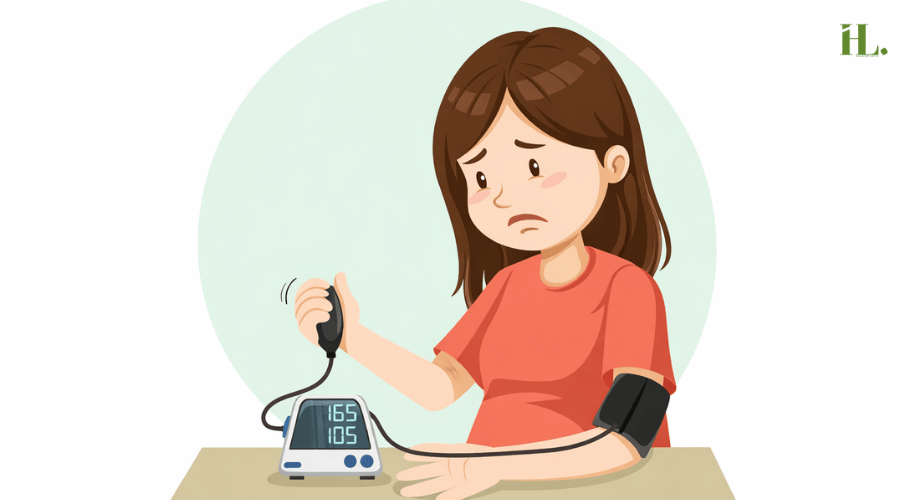
Combating Inflammation and Oxidative Stress
In Pregnancy-induced hypertension, the condition is often characterized by persistent inflammation and rising oxidative stress, both of which place added pressure on maternal circulation. In practical nutrition care, diets following a Mediterranean style pattern that emphasize fruits, vegetables, and whole grains consistently provide protective antioxidants and natural anti-inflammatory compounds. When daily meals stay rich in these nutrients and include healthy fats, they help improve vascular endothelial function and support smoother blood flow during pregnancy.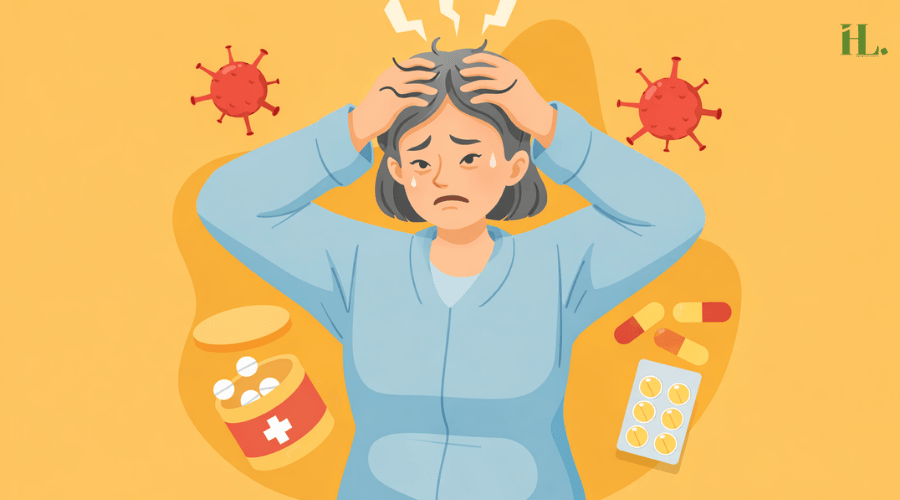
Weight Management
From clinical nutrition practice, excessive gestational weight gain is strongly associated with a 40 to 90% higher risk of Preeclampsia, making weight control essential in PIH care. A controlled, nutrient-rich diet consistently helps prevent excessive weight gain, especially in women already facing obesity, which remains one of the major, independent risk factors for pregnancy-related blood pressure complications. When dietary quality is prioritized early, weight trends stay more stable and easier to manage throughout pregnancy.
Nutrient Support
From practical experience, specific nutrients are crucial for maintaining blood pressure stability during pregnancy when dietary choices are made consistently. Research-backed care shows that adequate calcium intake is strongly associated with a reduced risk of preeclampsia, making mineral balance an everyday priority. On the other hand, a high intake of trans fats, processed meat, and salty snacks is clearly linked to an increased risk of pressure-related complications. Focusing on nutrient quality early often shifts outcomes in a safer direction.
Improved Long-Term Health
In pregnancy, I often describe nutrition as a stress test for future health, because habits formed during pregnancy tend to persist post-delivery. A healthy diet that actively manages PIH consistently reduces the long-term risk of cardiovascular diseases, hypertension, and diabetes. This protective effect benefits the mother well beyond birth, showing how short-term dietary care can shape lasting outcomes across the lifespan.
Key Nutrients in Pregnancy Induced Hypertension Diet
When managing PIH, nutrition works best when it builds a steady routine rather than quick fixes. In real care settings, a balanced diet with a clear focus helps regulate blood pressure and supports a healthy pregnancy without overdependence on prenatal supplements. By emphasizing whole foods and maintaining adequate intake through daily meals, women with Pregnancy Induced Hypertension are better prepared to adapt nutrition step by step as needs evolve:
Calcium
For pregnant women, choosing calcium-rich foods is a practical way to support hypertension control while helping the baby develop healthy heart function and build strong bones. In everyday care, it makes sense to try to get three servings a day from dairy products like yogurt and low-fat milk, since the body needs calcium for muscles and nerves, and getting enough calcium has been found to reduce your risk of preeclampsia. While ice cream is a popular pick, it should be limited, and smarter options such as almonds or calcium-fortified orange juice fit better when calcium intake is the goal.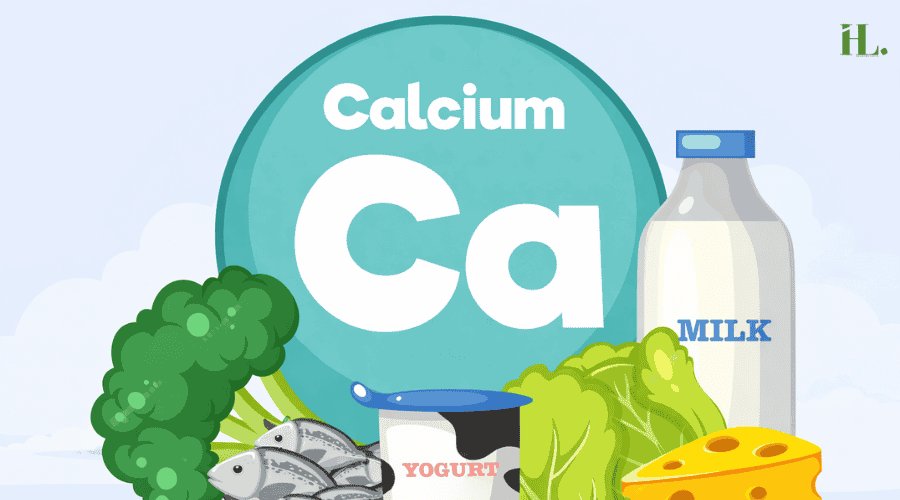
Iron
During pregnancy, the body works harder to support both women and the growing baby, which increases the demand for minerals involved in blood health. From practical care experience, many moms who do not consume enough iron may suffer from anemia, a common issue that can leave the body feeling weak, cold, or low on energy. This happens because the body needs iron to make more blood and supply oxygen, making dietary awareness especially important in daily meals.
Keeping food choices balanced and being be mindful of overall intake helps reduce the risk of mild anemia while supporting steady energy levels throughout pregnancy.
Vitamin C
During pregnancy care, Vitamin C quietly supports daily nutrition by helping the body make better use of what it already consumes. In practice, it is simple to meet what you need through routine meals without extra effort. Including small portions of fresh fruits and vegetables keeps intake consistent and natural. This steady approach supports the baby during key phases of growth while keeping food choices light and appealing for everyday eating.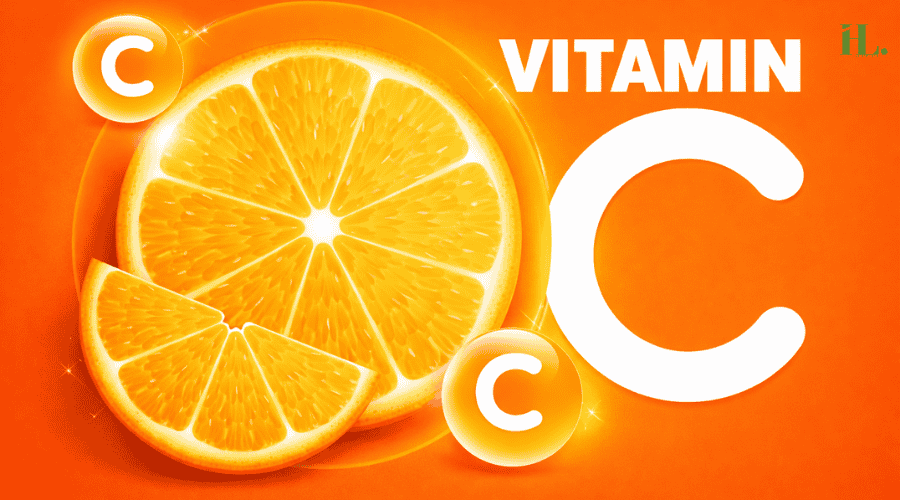
Omega-3 Fatty acids
For pregnant women, gentle nutritional guidance is usually recommended to support overall maternal and fetal well being. From experience, early dietary awareness helps support healthy pregnancy changes without overwhelming food choices. A thoughtful approach during pregnancy or while trying to conceive keeps nutrition intentional and easier to follow day by day. This mindset allows key nutrients to be introduced gradually, making long term dietary habits more sustainable and pregnancy friendly.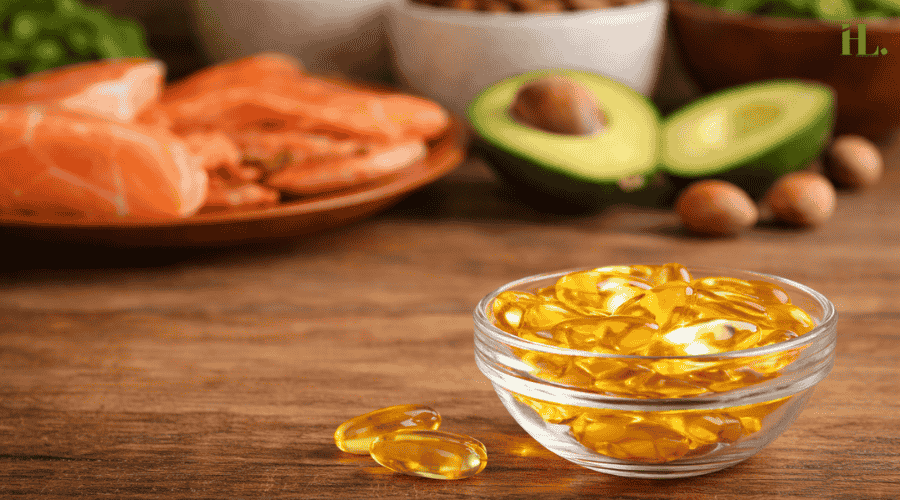
Foods to Eat With Pregnancy Induced Hypertension
Choosing the right foods becomes simpler when the goal is to gently lower blood pressure through everyday meals. A balanced diet with a thoughtful focus on supportive choices gives you a good selection of options to comfortably choose from:
Vegetables
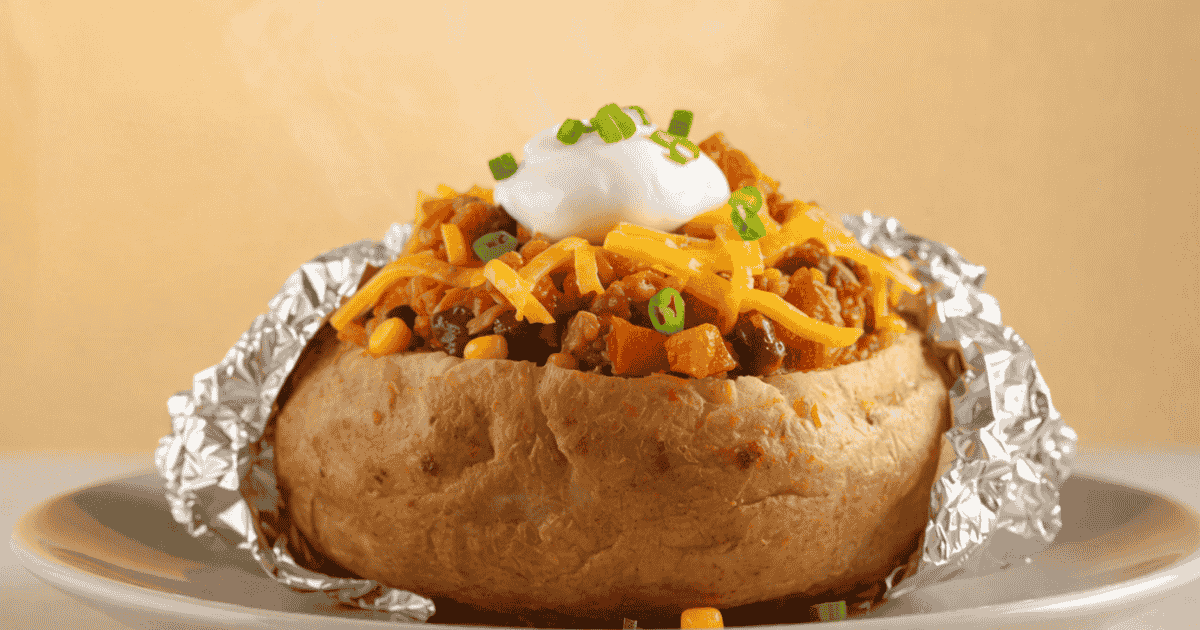
When managing pregnancy-related blood pressure, vegetables offer some of the best benefit because many are naturally rich in potassium and easy to include fresh in daily meals. In practical planning, veggies like spinach often tops the list for their blood-pressure-lowering support, while beets, sweet potatoes, russet potatoes with peels included, carrots, acorn squash, and broccoli come packed with nutrients. These choices pair well with fruits, and there are many other great options to include for steady dietary variety.
Fresh fruits
Including fruits in daily meals is a simple way to support blood pressure balance during pregnancy. From practical guidance, options with potassium help naturally lower blood pressure, especially those with the highest potassium content. Choices like bananas, oranges, apricots, grapefruit, nectarine, cantaloupe, passionfruit, and jackfruit are among the most helpful to include when fruit intake is kept high and consistent.
Dried fruits
Including dried fruits in moderation can be helpful because they offer concentrated doses of potassium, which may help lower your blood pressure when eaten mindfully. In everyday dietary practice, options such as dried bananas, apricots with the highest potassium content, raisins, dried apples, prunes, papaya, and figs are easy to eat and add natural sweetness without excess volume. Since these fruits are dried, portion awareness matters, but they remain a practical choice when fresh options are limited.
Dairy products
Based on research studies, certain dairy and alternatives have been shown to reduce blood pressure when chosen wisely. In daily meal planning, yogurt stands out as a practical option for light snacking, while plant-based milk can also be good choices, especially almond milk and soy varieties. Although these options are not incredibly high in potassium, they still fit well into a balanced routine and are often better tolerated during pregnancy when appetite and digestion fluctuate.
Juices
In everyday meal planning, fruit juices can be great options for gently reducing blood pressure when chosen wisely. From practical experience, orange juice and prune juice are among the most helpful because they contain lots of potassium, which supports fluid balance naturally. Vegetable juices also fit well into a pregnancy-friendly routine, especially when portions are kept moderate and juices are freshly prepared.
Coconut water
During pregnancy, coconut water can be a simple addition to daily hydration because it feels cold and refreshing while naturally supporting electrolyte balance. In practice, it contains potassium, which may help lower your blood pressure when included mindfully. Many women try using it instead of water occasionally, especially on warm days or when plain fluids feel less appealing.
Meat & Fish
When protein choices matter, chicken and salmon are often considered the best options for pregnancy-friendly meals. From practical nutrition guidance, among these choices, simple cooking methods help preserve nutritional value while keeping meals easy to digest. Including these options in moderation supports balanced eating without placing unnecessary strain on blood pressure management.
A Mediterranean diet or DASH diet has demonstrated effects in lowering blood pressure by emphasizing healthy fats, making it a healthy and practical pattern during pregnancy.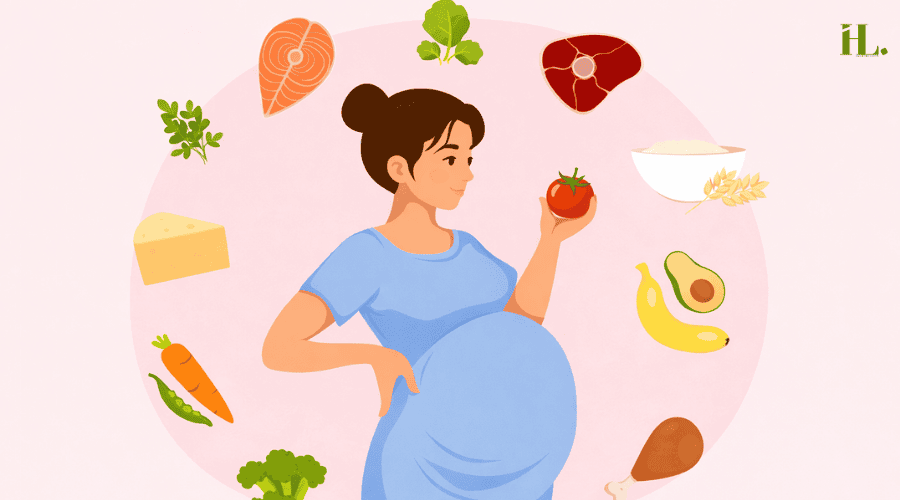
Foods to Avoid During Pregnancy Induced Hypertension
To keep blood pressure down, some foods can interfere with control and will not help support stability, as they may make managing blood pressure more challenging when included regularly:
Processed bread and sandwiches
For managing PIH, it’s important to be cautious with sandwiches made from bread or rolls, as they quietly add salt through added salt and added sodium. Fillings like cold cuts, cured meats, processed meats, and bacon are higher in sodium by virtue of the processed meats, and even everyday choices such as pizza or a peanut butter sandwich can contain sodium that comes from the peanuts, making them easy to overlook and best limited in a PIH-friendly diet.
Saturated fats
During pregnancy, limiting saturated fats becomes important because they are known to affect weight and heart health over time. In everyday eating patterns, foods like butter, ghee, lard, and margarine are commonly consumed without much notice. Many sweet items, such as donuts, cakes, pastries, pies, and chocolate desserts, also have saturated fats, making portion awareness essential. Regular intake of full-fat dairy products can further add to the load. From practical experience, keeping these foods minimal supports steadier nutrition choices in pregnancy.
Caffeine
During pregnancy, caffeine intake matters because it can raise your blood pressure, especially when blood pressure is already elevated, so it often should be avoided in daily routines. From practical experience, drinks like coffee, black tea, and sodas tend to trigger noticeable spikes, making management harder. These are better replaced with milder options such as green tea, which may help you lower your blood pressure when consumed sensibly.
Processed Desserts
While processed desserts do not necessarily raise blood pressure directly, in real dietary practice they often cause unintended weight gain, leading to higher weight that makes women more likely to suffer hypertension or high blood pressure during pregnancy. Over time, this indirect effect can quietly strain blood pressure control, which is why limiting these foods supports steadier outcomes in pregnancy.
Salty Snack Foods
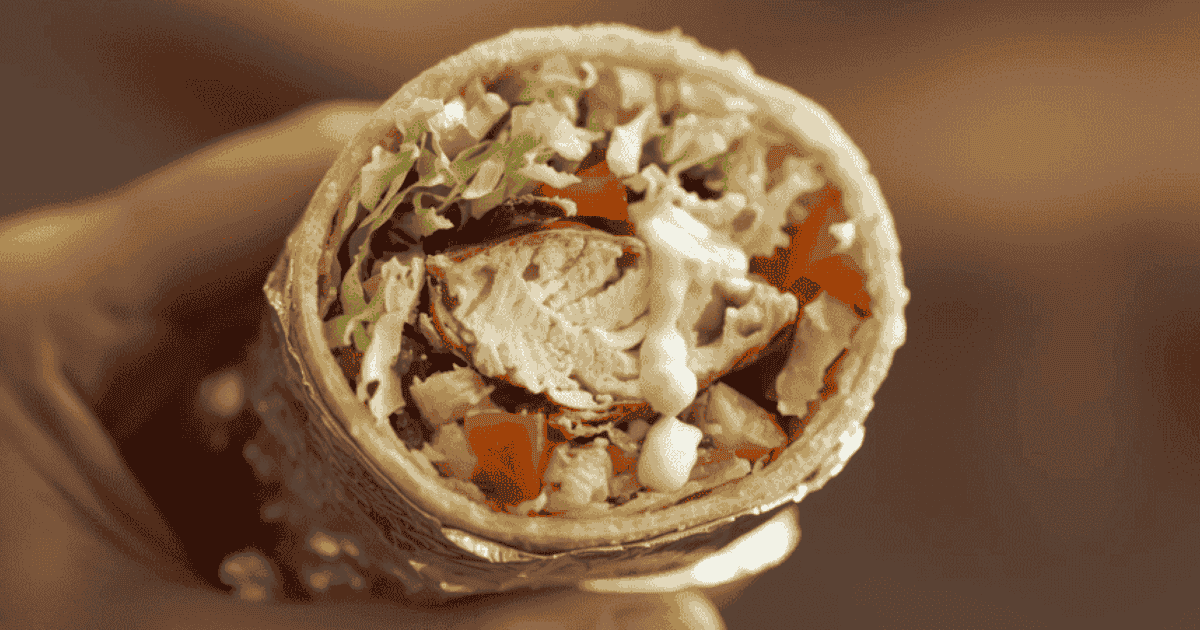
Salty snack foods are often high in sodium, which causes fluid to build up inside the arteries, gradually raising your blood pressure, even when items may not taste salty. In day-to-day eating, it helps to avoid common choices like chips, French fries, popcorn, tacos, and burritos, as these foods quietly add to the sodium load and make blood pressure control more difficult during pregnancy.
Condiments
Many people often think small amounts don’t matter; however, condiments are sodium-containing foods that have a lot of added sodium, which can quietly disrupt blood pressure control. Items like ketchup, soy sauce, fish sauce, chili sauce, and salad dressings are common additions to meals, but limiting them is important when managing pregnancy-related hypertension.
High-sugar drinks
High-sugar drinks such as sodas and energy drinks often include excess sugar and caffeine, which can bring on spikes in high blood pressure by constricting arteries and stressing the arteries over time. In practical care, these beverages also promotes weight gain, making blood pressure control harder during pregnancy and best avoided when managing PIH.
Red meat
Red meats such as beef, lamb, veal, venison, and pork are metabolized by the body in ways that can raise your blood pressure during pregnancy. In real dietary practice, these meats are best avoided when the goal is to keep your blood pressure down, and if included at all, it’s important to don’t salt your meat to limit added strain on blood pressure control.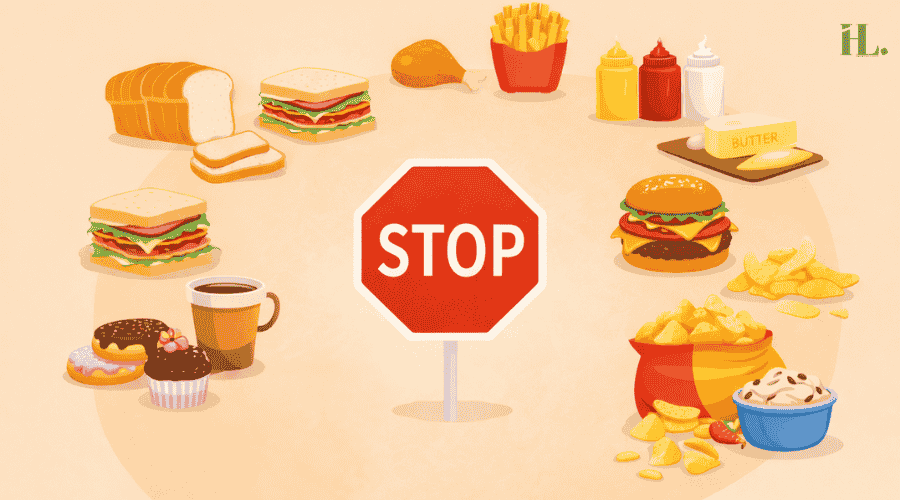
Sample Dietary Plan for PIH
| Meal Timing | Recommended Foods | Nutritional Purpose |
|---|---|---|
| Early Morning | Lukewarm water, 4–5 soaked almonds, 1 soaked walnut | Supports magnesium intake, improves blood vessel relaxation |
| Breakfast |
Vegetable oats porridge (oats, carrot, spinach), boiled egg or paneer/tofu, guava or apple
OR Whole-wheat chapati, low-salt vegetable omelet, plain yogurt |
Provides balanced protein, fiber, and steady blood pressure control |
| Mid-Morning Snack | Papaya or pear, unsweetened coconut water (limited quantity) | Potassium intake helps counter sodium effects |
| Lunch | Whole-wheat chapati or brown rice, dal or chickpea curry, cooked vegetables (lauki, tinda, spinach, carrots), fresh salad, plain yogurt | Supports placental health, calcium needs, and antioxidant intake |
| Afternoon Snack | Roasted makhana or chana (no added salt), herbal tea or warm low-fat milk | Prevents blood pressure fluctuations and energy dips |
| Dinner | Homemade low-salt vegetable soup, chapati or quinoa, grilled fish/tofu/paneer, steamed vegetables | Reduces nighttime fluid retention and supports digestion |
| Bedtime (If Needed) | Warm milk with a pinch of turmeric | Supports calcium intake and sleep quality |
Role of Salt & Fluid Intake in PIH
In Pregnancy-Induced Hypertension (PIH), which includes gestational hypertension and pre-eclampsia, the role of salt and fluid intake has evolved with growing clinical experience. Earlier guidance focused on recommending strict restriction, but current practice is recognizing that routine and severe dietary alterations do not prevent the condition and, in some cases, may be harmful. A balanced approach to salt and fluids supports stability without placing unnecessary stress on the body during pregnancy.
No Routine Restriction
Contrary to older practices, current evidence clearly indicates that low-salt diets do not prevent PIH or pre-eclampsia, a shift I’ve seen reflected in modern antenatal nutrition guidance. Rather than automatic restriction, salt intake is now viewed through a balanced lens, avoiding unnecessary dietary stress while focusing on overall nutritional quality during pregnancy.
Moderate Intake Recommended
In practice, salt consumption during pregnancy should generally remain guided by personal preference rather than restriction, a principle that aligns well with current antenatal care. From clinical experience, adjustments are only needed unless otherwise advised by a clinician, allowing women with PIH to maintain dietary comfort while avoiding unnecessary limitations.
High Intake Risks
While restriction is not beneficial, clinical experience shows that excessively high salt intake above >6 g/day is associated with a greater risk of developing pre-eclampsia. This risk reflects the role of salt in suppressing the renin-angiotensin-aldosterone system (RAAS), a shift that can be negatively impacting normal fetoplacental development and overall pregnancy stability.
Management in Pre-eclampsia
In established pre-eclampsia, the primary goal is to maintain a balance in fluid intake, something I’ve seen make a real difference in clinical care. Both dehydration and excessive fluid intake can worsen outcomes, as fluid overload may become dangerous in these cases, which are often sensitive to even small shifts in hydration. Careful monitoring helps ensure fluids support circulation without adding unnecessary strain.
Fluid Restriction
In severe pre-eclampsia cases, when a patient becomes oliguric and is producing little urine, careful fluid control becomes essential in clinical practice. In such situations, intravenous fluids may be restricted to around 80 mL/hour or less to prevent pulmonary edema, a complication I’ve seen avoided with timely adjustment and close monitoring of fluid response.
Monitoring Intake
For patients with pre-eclampsia, strict monitoring becomes necessary to keep fluid balance safe and effective. In clinical care, tracking both oral fluid input and intravenous fluid input alongside urine output helps guide timely adjustments and prevents complications linked to under or over hydration.
Lifestyle Tips to Manage PIH
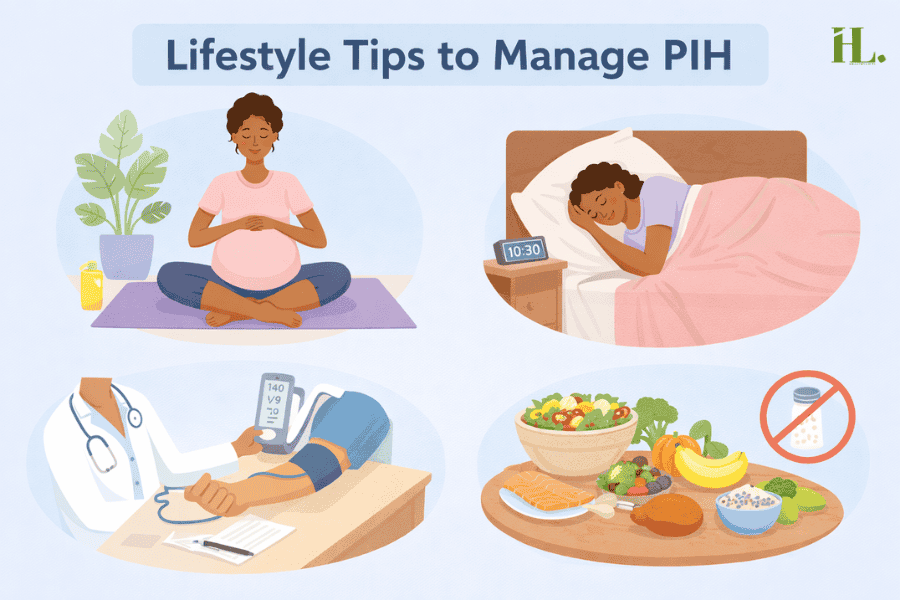
- Stay Physically Active: Aim for about 30 minutes of moderate, low-impact exercise on most days, such as walking, swimming, or prenatal yoga, after approval from your healthcare provider. Many expecting mothers notice better sleep and reduced anxiety with regular movement.
- Monitor Blood Pressure at Home: Regularly checking your blood pressure helps detect early changes and gives peace of mind between medical visits.
- Manage Daily Stress: Practice deep breathing, meditation, or gentle yoga to calm the mind and support more stable blood pressure during pregnancy.
- Maintain Healthy Weight Gain: Avoid excessive weight gain, as it can increase the risk and severity of PIH.
- Avoid Harmful Substances: Completely stay away from smoking, alcohol, and betel quid, as they place extra strain on the cardiovascular system.
- Stay Well Hydrated: Drink enough fluids throughout the day to support healthy circulation and help maintain stable blood pressure.
Dietary Tips to Manage PIH
- Follow the DASH Diet: Adopt the Dietary Approaches to Stop Hypertension (DASH) diet, focusing on fruits, vegetables, whole grains, and low-fat dairy. Many expecting mothers feel more energetic and less bloated after switching to this balanced eating pattern.
- Increase Fruits and Vegetables: Aim for at least 400g of fruits and vegetables daily, including 330g of fresh fruits or 4g of dried fruits, as higher intake is linked to a lower risk of preeclampsia.
- Limit Sodium Intake: Keep salt consumption below 2,300 mg per day, or ideally 1,500 mg, by avoiding processed foods, canned soups, and salty snacks to prevent sudden blood pressure rises.
- Include High-Fiber Foods: Consume 25–30g of dietary fiber daily, which supports digestion and helps maintain more stable blood pressure levels.
- Add Potassium-Rich Foods: Include foods like bananas, spinach, and sweet potatoes to help balance sodium levels and support heart health.
- Include Omega-3 Fatty Acids: Consume around 227g (8 ounces) of mixed seafood weekly to provide essential EPA and DHA that support vascular health.
- Reduce Sugar and Unhealthy Fats: Minimize sugary drinks, high-sugar foods, processed meats, and saturated fats, as these can contribute to unnecessary blood pressure fluctuations.