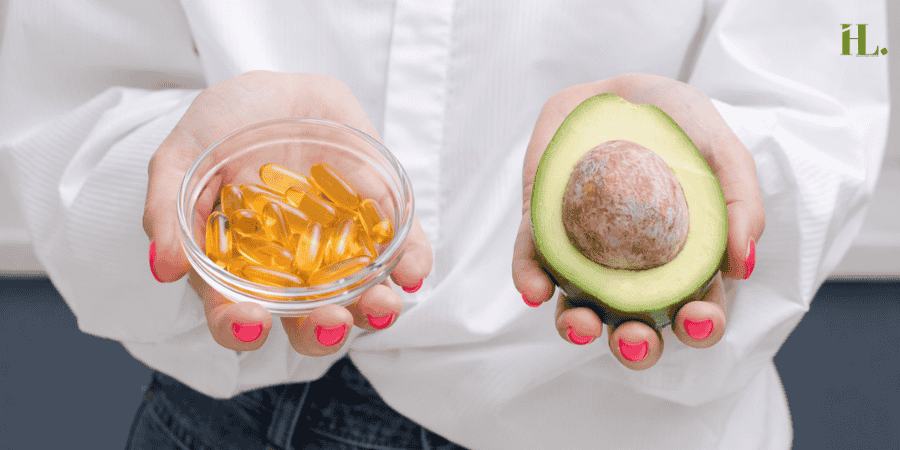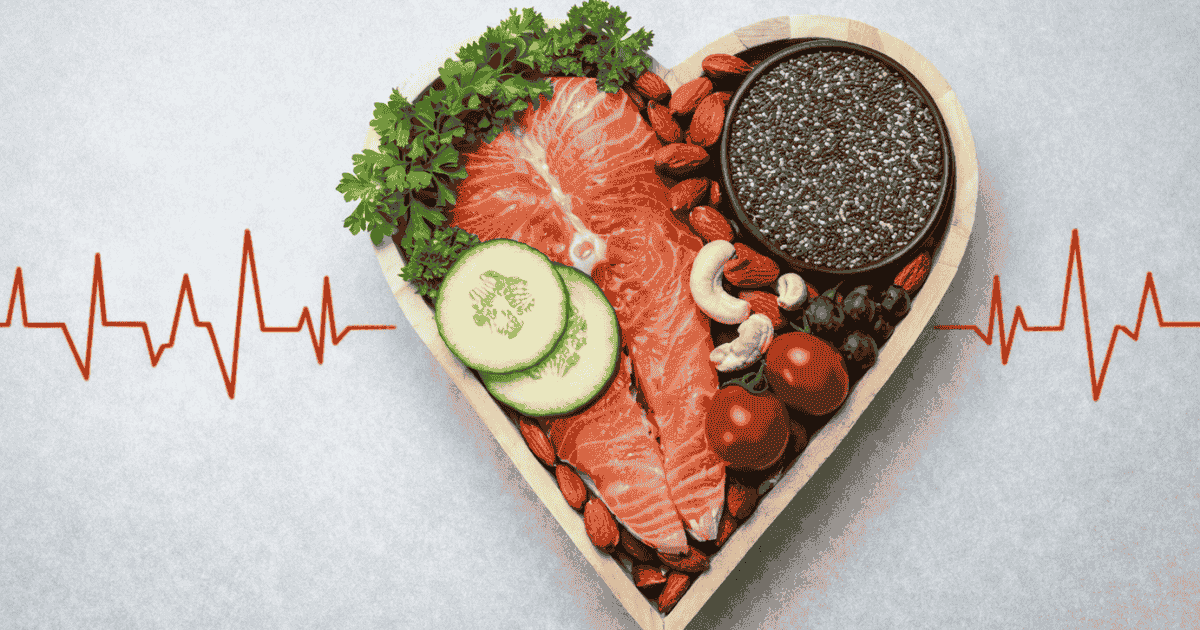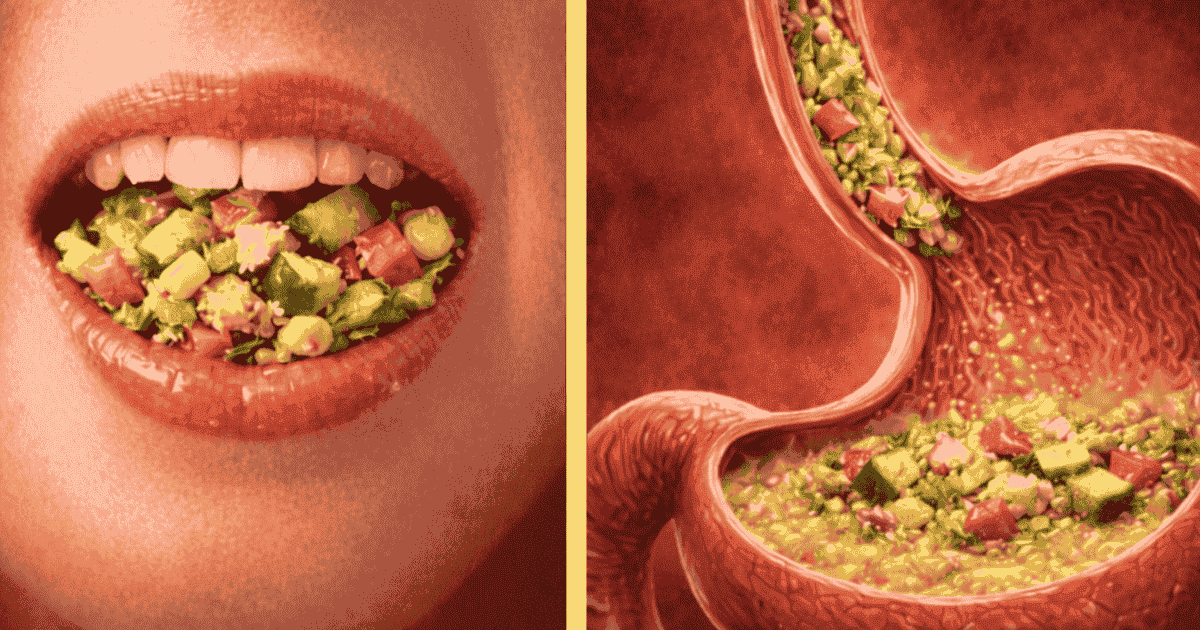
A balanced diet plays a central role in supporting hormones by supplying the right nutrition and daily inputs the body relies on. When these signals are steady, natural biochemicals help regulate metabolism, digestion, and the stress response, allowing glands and organs to function smoothly. This balance supports healthy hormonal function and reduces the risk of hormonal imbalance becoming long-term. Both women and men should know about Supplements and Vitamins to Balance Hormones Naturally. Modern habits have made hormone-related health problems more prevalent than ever before.
Vitamins and supplements can help restore hormonal balance when lifestyle gaps begin to affect current health. Conditions such as PCOS, thyroid disease, and unexplained weight gain are often linked to chronic hormonal imbalance influenced by food quality and daily routines. When guided by science, these nutrients support fertility, overall health, and a healthy hormonal balance without relying on extremes. The connection between targeted nutrition and stable hormones consistently proves its value over time.
Common hormonal imbalances can affect both men and women in different ways, often showing up through physical, emotional, and metabolic changes over time:
Table of Contents
- 1 What is Hormonal Balance and Why is It Important?
- 2 How Supplements and Vitamins Support Hormone Balance?
- 3 B Vitamins for Hormonal Imbalance
- 4 How to Choose the Right Supplement for Hormone Balance
- 5 Best Time to Take Hormone Supporting Supplements
- 6 Are There Any Side Effects or Safety Concerns?
- 7 Who Should Avoid Hormone Supplements?
- 8 Frequently Asked Questions
Common Symptoms of Hormonal Imbalance in Women
- Irregular periods or missed cycles
- Mood swings, anxiety, or irritability
- Weight gain, especially around hips and abdomen
- Fatigue and low energy levels
- Acne, hair thinning, or hair loss
- Low libido or fertility issues
- Sleep disturbances and hot flashes
Common Symptoms of Hormonal Imbalance in Men
- Low testosterone symptoms such as reduced muscle mass
- Decreased libido or erectile issues
- Fatigue and persistent low energy
- Weight gain, especially belly fat
- Mood changes, irritability, or depression
- Hair loss or reduced body hair
- Difficulty concentrating or brain fog
What is Hormonal Balance and Why is It Important?
Hormonal balance describes how hormones and natural biochemicals work inside the body so glands, organs, and internal systems can communicate effectively. This is a self-regulatory process that reacts moment to moment, shaped by daily inputs like diet, nutrition, and lifestyle adjustments. It directs key functions such as digestion, metabolism, and the stress response, based on what the body needs. Because it isn’t a set-it-and-forget-it system, even small disruptions can shift hormonal function. When balance is steady, the body maintains a healthy hormonal balance naturally.
When balance is lost, hormonal imbalance becomes prevalent in women and men, affecting current health in visible ways. Issues like weight gain, thyroid disease, diabetes, metabolic syndrome, PCOS, adrenal exhaustion, and infertility are often linked to chronic hormonal imbalance and broader health problems. Supporting hormones through smart nutrition, proper vitamins, supplements, and overall nutrient balance helps restore and maintain stability. This support is vital for fertility, long-term health, and women’s health in particular. Experience and science consistently prove how important hormone balance is.
How Supplements and Vitamins Support Hormone Balance?
Targeted supplements and vitamins support hormone balance by filling nutritional gaps created by modern diet and inconsistent nutrition. These nutrients supply key biochemicals that help hormones guide how glands, organs, and internal systems in the body communicate based on daily needs. This self-regulatory process works moment to moment, influencing metabolism, digestion, and the stress response through small adjustments. With steady daily intake and proper nutrient balance, the body is better able to maintain a healthy hormonal balance naturally.
When support is missing, hormonal imbalance becomes more prevalent in women and men, often showing up as weight gain, thyroid disease, PCOS, or other health problems linked to chronic imbalance. Thoughtful nutritional support, including micronutrients, mineral support, and gentle metabolic support, can help restore stability over time. Combined with lifestyle support, natural support, and stress modulation, this approach supports long-term hormonal function and fertility. Consistent use grounded in science repeatedly proves its vital role in overall physiological balance.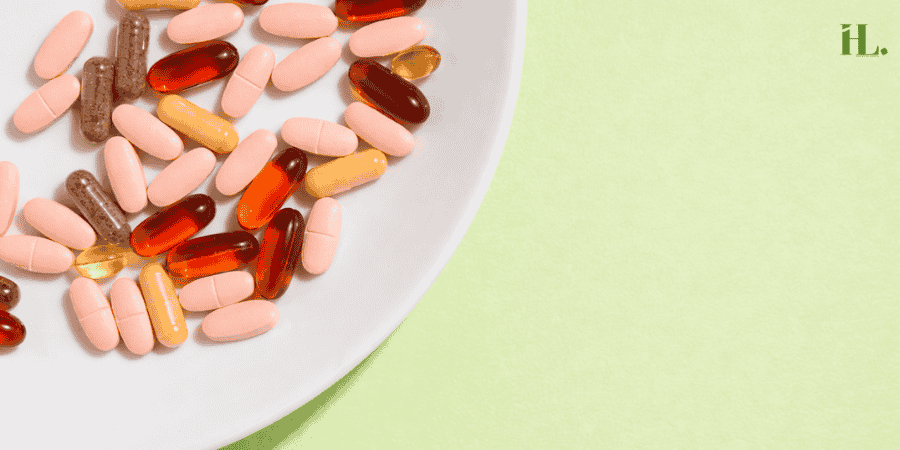
Vitamin D
Vitamin D functions beyond the classic sense of nutrition and acts as a potent hormone that supports endocrine function and overall hormonal balance in the body. In its active form, calcitriol, it drives hormonal signaling, helping genes express or suppress processes needed to maintain stable regulation. When levels drop too low, common complaints include fatigue, brain fog, and depression.
From a clinical perspective, approximately 42% of American adults show Vitamin D deficiency, often experiencing subtle symptoms that act as an early sign of hormonal imbalance. These low levels interfere with maintaining healthy hormone levels and can quietly disrupt long-term stability if ignored.
In practice, the type of supplementation matters. Vitamin D3, also called Cholecalciferol, is a more absorbable form than D2 and is commonly preferred. A therapeutic amount around 1000 IU per day helps replenish what the body cannot always make, supporting consistent hormone regulation when used correctly.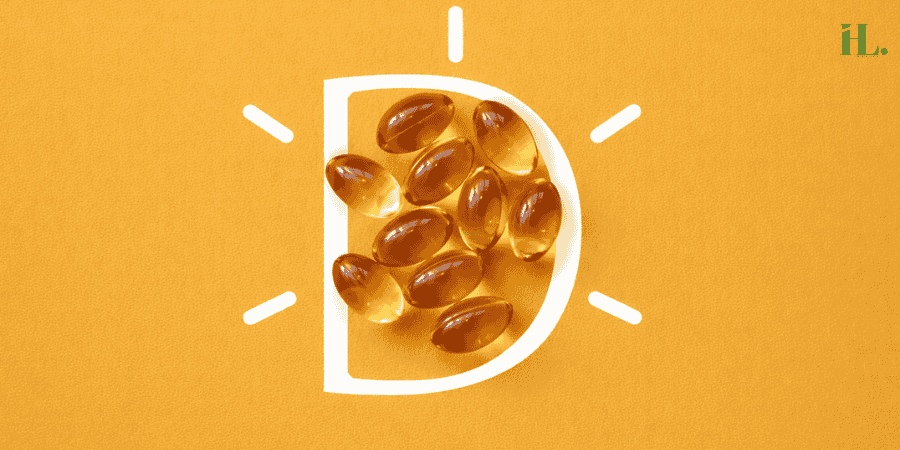
Magnesium
Magnesium, often called a miracle mineral, has the natural ability to help the body respond better to chronic stress, which is a common trigger behind many hormonal imbalances. When stress pushes the system into over-reactivity, magnesium supports calm by working through the Hypothalamic-Pituitary-Adrenal axis (HPA axis), helping reduce stress hormones and bring stress hormone production back to normal levels. This calming effect allows the body to return from hormonal turmoil into balance.
- Acts as a natural relaxation molecule, relieving anxiety and everyday stress symptoms
- Helps the body calm excessive stress responses and supports hormonal stability
- Supports balanced production of key hormones during prolonged stress
- Helps prevent stress-driven hormonal imbalances
Magnesium also plays a supportive role in hormone processing by helping the liver metabolize and excrete harmful estrogen metabolites. It further assists in correct thyroid hormone imbalances by boosting the conversion of T4 thyroid hormones into active T3 forms, supporting smoother hormonal signaling.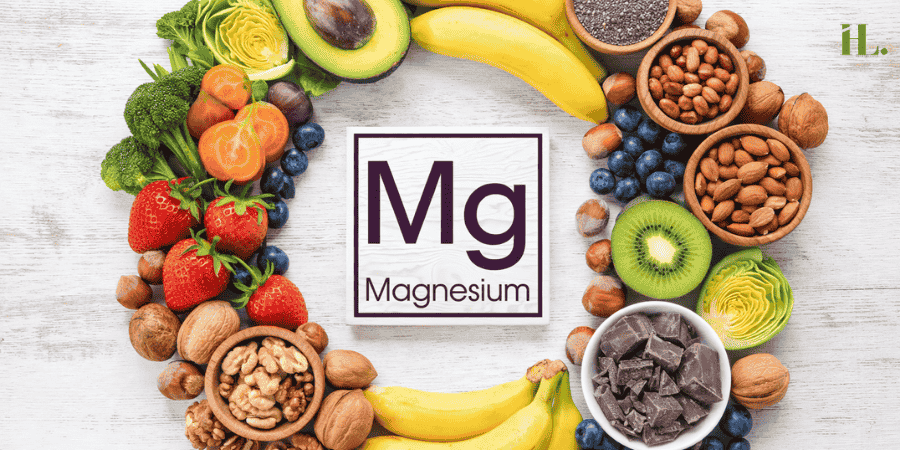
Omega-3 fatty acids
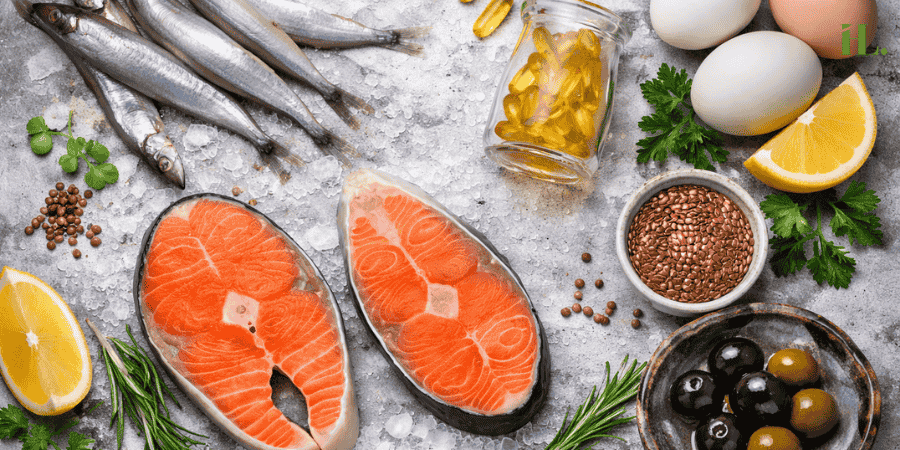
Omega-3 fatty acids are essential nutrients the body requires but cannot produce, making them foundational for hormonal health and overall balance. When Omega-3s are missing from the diet, not getting enough becomes a key factor in hormonal imbalances, especially during menopause discomforts like hot flashes:
- Support hormones by improving receptor sites and proteins on the surface of cells, helping hormonal signals land and deliver chemical instructions
- Act as hormonal precursors, supporting the production of estrogen, progesterone, and testosterone
- Help tamp down out of control inflammation, leading to lowered inflammation that supports hormone signaling
- Contribute to brain health, heart health, and bone health while improving the body’s ability to make hormones
- Help regulate the inflammation–hormone imbalance relationship that often contributes to long-term disruption
B Vitamins for Hormonal Imbalance
B vitamins play a beneficial role in managing hormonal imbalance by supporting improved hormone production and maintaining healthy hormone levels throughout the body. When getting more of these nutrients, the body is better equipped to regulate hormones efficiently and maintain natural balance.
Vitamin B12
Vitamin B12, also called cobalamin, is needed for the methylation process that helps the liver break down excess hormones and clear cellular waste, allowing the body to work properly. When there isn’t enough B12, the compound homocysteine can build up in the blood, leading to elevated plasma homocysteine levels often tied to estrogen imbalances, fatigue, mood swings, and increased inflammation. Because B12 is mostly found in animal products, vegetarians and vegans face a higher risk of B12 deficiency, making a high-quality multivitamin that contains B12 a practical way to bridge gaps in the diet.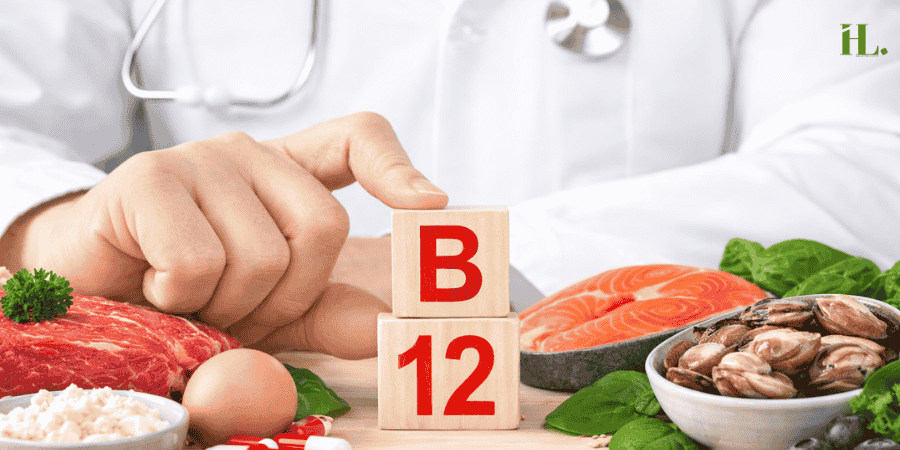
Vitamin B6
Vitamin B6 deficiencies are strongly connected to hormonal imbalances, particularly involving estrogen and progesterone, which is why supplementing can be especially helpful for women in perimenopause and menopause. Studies show it may help alleviate hormonal symptoms such as premenstrual syndrome (PMS), mood changes, and irritability, with a commonly used therapeutic dose of 50 to 100 mg taken daily to support balance.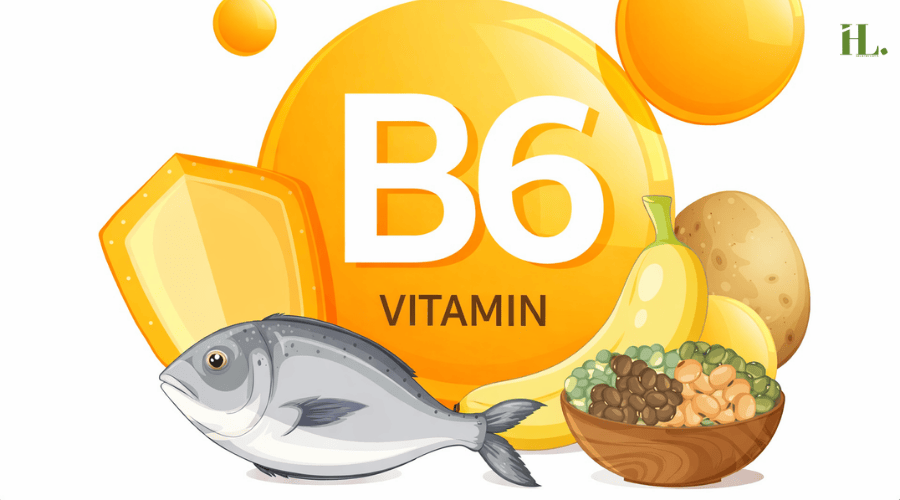
Vitamin B3
Vitamin B3, also known as niacin, supports healthy liver function, which is essential to produce balanced sex hormones, stress hormones, and adrenal hormones. Removing harmful chemicals from the liver helps the body regulate hormone activity more efficiently, while also working to improve circulation and suppress inflammation. For most adults, an intake of approximately 16–18 mg taken daily is commonly referenced to support these processes.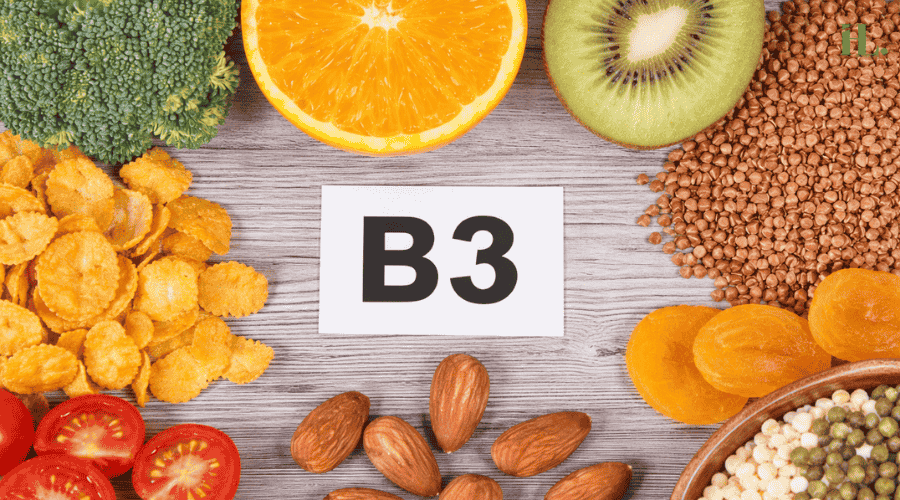
Zinc
Zinc is required for the conversion of T4 into T3, and a deficiency in this mineral can result in thyroid hormone imbalance, with common symptoms linked to hypothyroidism. Acting like an adaptogen, zinc supports several key hormones by helping rebalance both inadequate and excess cortisol, estrogen, and progesterone, especially in women. It also reduces inflammation, providing support for healthy hormone production, and maintaining optimal zinc levels through a supplement or high-quality multivitamin that offers a highly absorbable form, such as zinc amino acid chelate, can make a meaningful difference.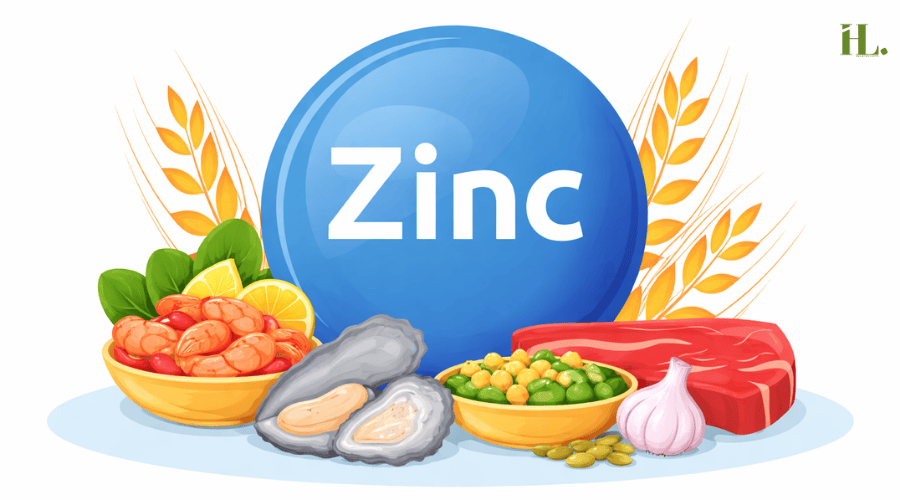
Rhodiola Rosea
Rhodiola rosea, often called golden root, is one of the most trusted Adaptogenic herbs for supporting the adrenal glands when the body is under stress. It works by helping how the body perceives stress, especially when the adrenals keep firing off cortisol, the body’s main fight or flight stress hormone. Over time, this constant pressure can leave people feeling fatigued, burned out, or completely taps out, which commonly reflects an underlying adrenal hormone imbalance.
By gently regulating cortisol, this Adaptogenic herb helps rebalance cortisol levels that swing too high or too low due to adrenal imbalance. This necessary step supports proper adrenal function, helps restore energy levels, and improves mental clarity. With consistent use, it also contributes to immune support, blood sugar support, and long-term restoration of adrenal resilience over time.
Probiotics for hormonal imbalance
Probiotics play a direct role in hormonal balance by improving gut health, which influences nearly every system tied to overall health. A healthy gut microbiome rich in beneficial gut flora acts as a key ingredient in hormone regulation by helping minimize inflammation and optimize metabolism. This balance supports the proper processing of estrogen, testosterone, and progesterone, the body’s key hormones, while also helping stabilize cortisol and insulin for ensuring balance.
Using a probiotic supplement is an easy way to replenish good gut flora on a daily basis, especially when diet alone falls short. A high quality probiotics supplement with multiple strains helps diversify and strengthen gut bacteria, providing steady metabolism support and long-term hormone stability.
Inositol
Inositol is a naturally occurring compound related to sugar, found in the body and some foods, and it exists in nine forms, with Myo-inositol and D-chiro Inositol most commonly used in supplements. These forms help balance certain chemicals involved in insulin and hormone signaling, making them especially useful for PCOS, metabolic syndrome, and diabetes. As a supplement, inositol may reduce insulin resistance, lower cholesterol, promote ovulation, increase pregnancy rates, and reduce risk of gestational diabetes and preterm birth, while growing research also shows benefits in regulate mood and fight depression.
How to Choose the Right Supplement for Hormone Balance
Choosing the right supplements and vitamins for hormone balance starts with understanding your individual needs, including women’s health, men’s health, age factors, and risk. Effective hormonal support comes from strong nutritional support that fits your diet, nutrition, and daily habits, while also considering stress management, metabolism, inflammation, and gut health. Prioritizing quality, purity, and bioavailability helps ensure nutrients are absorbed properly and support long-term balance in a realistic, sustainable way.
Important Considerations
- Choose absorbable forms with the right dosage and consistent daily intake
- Decide between a multivitamin or single nutrient based on targeted support
- Look for label transparency, third-party testing, and clean ingredients free from contaminants and fillers
- Support balance through proper micronutrients, mineral balance, and vitamin balance
- Consider professional guidance for safe natural support aligned with your goals
Best Time to Take Hormone Supporting Supplements
Choosing the best time and correct dosage for hormone-supporting supplements depends on your daily routine, individual needs, and how your body responds over time. Consistent use improves absorption, bioavailability, and overall effectiveness, whether supplements are taken with meals or on an empty stomach, based on label instructions. Aligning intake with morning or evening timing can support metabolism and the natural circadian rhythm, while following the recommended amount or a therapeutic dose helps maintain hormonal balance safely. A thoughtful timing strategy, sometimes using split dosing, supports long-term compliance, tolerance, and safety, especially when guided by professional advice and focused on natural support.
Are There Any Side Effects or Safety Concerns?
When used thoughtfully, supplements and vitamins can support hormone balance, but mild side effects may occur based on individual response and sensitivity. Issues like digestive upset, nausea, or headaches are more likely when dosage exceeds recommended amounts or during early short-term use. Extra care is important with medications, underlying conditions, pregnancy, breastfeeding, and use in children, where safety concerns deserve closer attention.
Choosing products with strong quality, purity, and clear label transparency helps reduce risks linked to contaminants and fillers. Prioritizing bioavailability, absorbable forms, and steady monitoring supports safe use, especially during long-term use. Pairing supplements with professional guidance from a healthcare provider, plus smart lifestyle factors like diet, nutrition, hydration, consistency, and compliance, strengthens risk management while maintaining natural support.
Who Should Avoid Hormone Supplements?
Not everyone responds the same way to hormone supplements, and some certain individuals may face higher safety concerns due to existing risk factors. People with underlying medical conditions, strong sensitivity, or a history of adverse reactions may experience side effects, especially with excessive dosage or high intake. In such cases, seeking professional guidance from a healthcare provider and following proper testing, diagnosis, and medical supervision is essential before use.
People who should avoid or use with caution
- Those who are pregnancy, breastfeeding, children, or adolescents
- Individuals with hormone-sensitive conditions such as estrogen dominance, prostate conditions, or thyroid disorders
- People managing autoimmune diseases, chronic illness, or other underlying medical conditions
- Anyone taking medications that may cause drug interactions, including blood thinners, antidepressants, or hormonal therapies
- Individuals affected by intolerance, heightened sensitivity, or past adverse reactions
For these groups, prioritizing natural support through lifestyle approaches, diet, nutrition, and stress management can be a safer option. A cautious use mindset, awareness of contraindications, and attention to age factors, women’s health, and men’s health help reduce unnecessary risks.
| Diet | Supplements |
|---|---|
| Built on whole foods and reliable food sources, forming the foundation of hormone balance through everyday nutrition. | Used when gaps appear, offering targeted support for specific nutrient deficiencies and replenishment. |
| Provides strong nutrient density with natural bioavailability of macronutrients and micronutrients. | Deliver selected vitamins, minerals, and nutrients in isolated or concentrated forms. |
| Supports metabolism, digestion, gut health, inflammation, insulin sensitivity, and cortisol balance together. | Support individual functions more directly, depending on the specific nutrient and dosage used. |
| Works through food synergy, allowing nutrients to interact naturally within meals and daily eating patterns. | Work through supplement synergy, where effectiveness depends on quality, purity, correct dosage, and timing. |
| Encourages long-term consistency by fitting naturally into daily routines and lifestyle habits. | Rely on regular intake and consistency, often requiring planning and routine to be effective. |
| Serves as a sustainable, long-term approach for overall hormone balance and general health. | Provide flexible short-term or long-term support when individualized needs for women’s health or men’s health require it. |