Vitamin B12 (or B12) quickly becomes a key nutrient concern after a diet choice shifts toward an exclusively vegan diet. Because plant foods do not naturally contain enough vitamin B12, vegan vitamin B12 deficiency remains one of the most common issues, especially among new vegans and vegetarians. This is why early health awareness and keeping a close eye on intake matters from the start.
In practical terms, plant foods alone rarely provide enough B12, which is why research consistently points toward food fortification and supplementation. Even with improved availability over the past few years, insufficient intake remains a problem without planning. Well-chosen supplements help stabilize nutrient levels and support efficient nutrient replenishment, without relying on guesswork or inconsistent sources.
The most sustainable approach combines smart dietary planning, correct supplement dosage, and understanding how much to take based on personal needs. Treating B12 as part of long-term intake rather than a short-term fix encourages regular nutrient monitoring and builds confidence over time. This steady approach is what helps many people avoid deficiency concerns and maintain balance on a fully plant-based lifestyle.
Table of Contents
- 1 What is Vitamin B12?
- 2 Where can we find Vitamin B12?
- 3 Why Vitamin B12 is Critical on a Vegan Diet?
- 4 Why Vegan Vitamin B12 Deficiency Occurs?
- 5 Best Sources for Vitamin B12
- 6 What happens if I don’t get enough vitamin B12?
- 7 How can I raise my B12 levels quickly?
- 8 Best Time and Way to Take B12 for Maximum Absorption
- 9 Can I take too much vitamin B12?
- 10 Frequently Asked Questions
What is Vitamin B12?
Vitamin B12, also known as Cobalamin, plays a quiet but critical role in the body, supporting the methylation process that helps the liver break down excess hormones and clear cellular waste so systems can work properly. When there is not enough B12, homocysteine can build up in the blood, leading to elevated plasma homocysteine levels, which I’ve often seen linked with fatigue, mood swings, increased inflammation, and even estrogen imbalances. Because B12 is mostly found in animal products, vegetarians and vegans sit at a higher risk of B12 deficiency, making a high-quality multivitamin that contains B12 a practical way to bridge gaps left by a plant-focused diet.
Where can we find Vitamin B12?
Vitamin B12 is naturally found in everyday foods like meat, fish, shellfish, dairy, and eggs, which is why vegetarians and vegans who avoid these or only eat in part often need alternatives. In reality, B12 is made by bacteria, not plants, and animals accumulate it in their flesh through animal feed, where farmers add a supplement or additional vitamin B12. Back in the day, humans unknowingly consume traces from unwashed produce, unsanitized food, and drinking water from streams, through contact with B12-producing bacteria in soil. Today, modern humans wash soil and foods before eating, so bacteria from the ground gets washed off, meaning even nutrient-rich produce may contain less natural B12 exposure than before.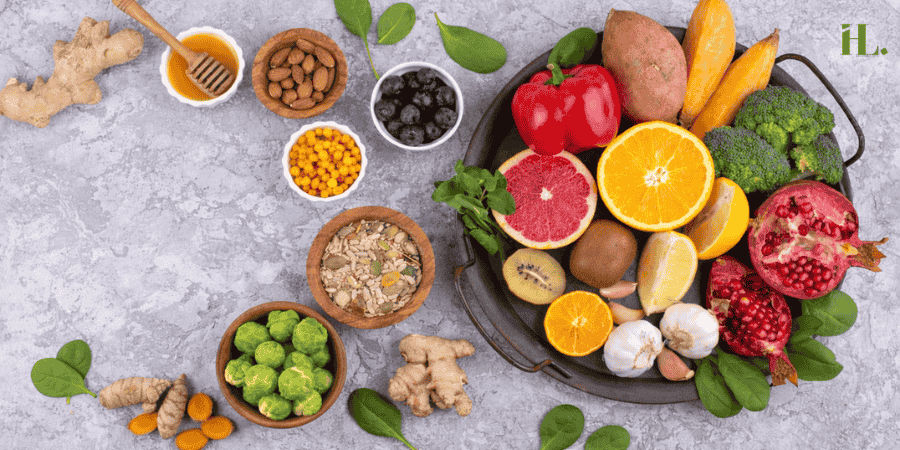
Why Vitamin B12 is Critical on a Vegan Diet?
On a vegan diet, vitamin B12 is a critical nutrient and essential vitamin, also known as cobalamin, because a plant-based diet has limited plant sources and lacks many animal-based nutrients, increasing nutrient deficiency risk. In my experience working with vegans, this gap often develops quietly, influencing absorption, bioavailability, and metabolism, including methylation, red blood cells, and DNA synthesis. When intake drops, energy levels fall and fatigue prevention becomes harder without proper support.
Over time, low B12 can affect nerve function, neurological health, brain function, and cognitive health, while poor homocysteine regulation may impact cardiovascular health and anemia prevention through iron utilization and folate interaction. This is why consistent supplementation or fortified foods, along with regular health monitoring, checking blood levels, and smart dietary planning, are essential for balanced nutrition. Adding multivitamin support or focused vegan supplements strengthens nutritional awareness and supports preventive nutrition over time.
Why Vegan Vitamin B12 Deficiency Occurs?
Following a vegan diet based on plant-based eating increases the risk of vitamin B12 deficiency because this nutrient is closely tied to foods that are excluded, and the shortfall often develops gradually without clear early signals:
- Lack of animal products and limited natural sources cause cobalamin absence
- Dietary exclusion through meat avoidance, dairy avoidance, and egg avoidance
- Higher low intake risk due to everyday nutrient gaps
- Bioavailability issues and absorption challenges linked to intrinsic factor dependence
- Dependence on fortified foods reliance with inconsistent fortification
- Missed supplementation need, weak supplement adherence, and poor dosage awareness
- Declining blood levels with homocysteine buildup and rising anemia risk
- Soil bacteria loss, sanitized food systems, modern food processing, and reduced environmental exposure
Over time, these factors can lead to fatigue, neurological symptoms, and changes in nerve health, cognitive function, and energy metabolism connected to the methylation process and red blood cell formation.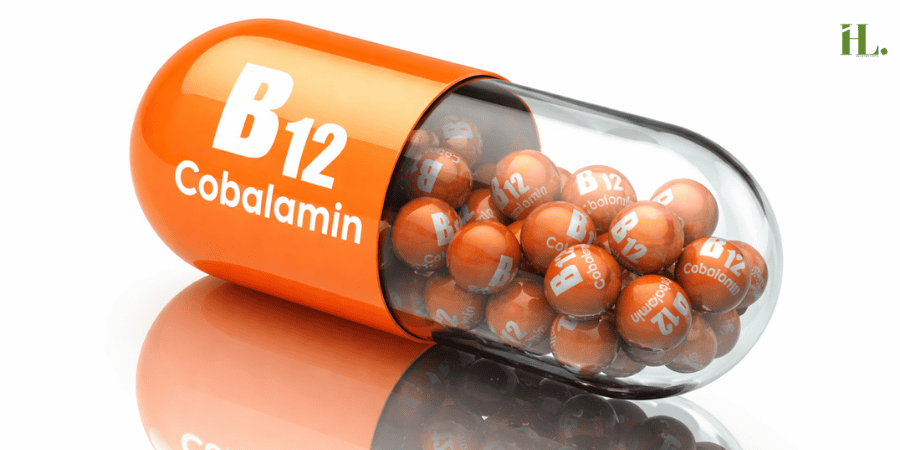
Best Sources for Vitamin B12
If you’re following a vegan lifestyle, finding dependable B12 sources matters more than most people realize. A smart mix of fortified options, selective plant-based choices, and supplements helps cover gaps without overthinking it.
Here are the best sources of B12 for vegans from fortified foods, plants, and supplements:
Fortified Foods
Fortified foods are the most reliable way to get enough B12 on a vegan or vegetarian diet, because many everyday foods are often fortified with vitamin B12. Common examples include meat replacements, plant milks, breakfast cereals, nutritional yeast, and spreads like Marmite, all of which can act as reliable sources when clearly marked as fortified. In contrast, unfortified options usually provide little to no vitamin B12, which is why checking matters.
From experience, the habit that makes the biggest difference is looking at the ingredients label for cobalamin, especially since B12 is light-sensitive and can degrade with repeated contact with light. I always advise people to avoid relying on B12-fortified foods that are sold or stored in clear containers or thin plastic bags, as exposure can reduce potency before the food even reaches your plate.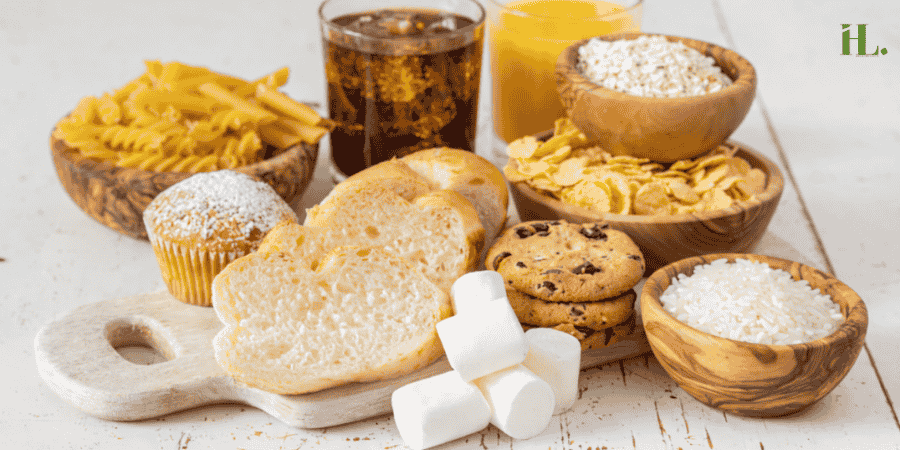
Shiitake Mushrooms
Shiitake mushrooms are often mentioned as a potential vegan source of vitamin B12, though B12 levels vary and are generally considered sufficient only in limited amounts rather than meeting full daily requirements. Figures commonly cited refer to 100g of dry weight delivering about 5.61 mcg, an amount not typically consumed on average. Beyond nutrition, they are loved for a rich, earthy flavor, distinctive taste, and meaty texture, with large caps measuring 2 to 5 inches wide and showing color variation from light brown to chocolate brown, paired with an attractive contrast of a pale cream underside.
Scientifically known as Lentinula edodes, shiitake mushrooms are native to mountain regions of Japan, Korea, and China, where the mushroom grows on fallen logs and holds a long history in East Asia as both food and traditional medicine. Wild shiitake were used long before people began cultivating them 1000 to 1200 years ago, when they were called dongo or shanku. As cultivation methods later spread to Japan, shiitake became linked with samurai warriors, production control, and even the aristocracy, with the name origin coming from shii, the Castanopsis cuspidata hardwood tree species, and take, the Japanese word for mushroom.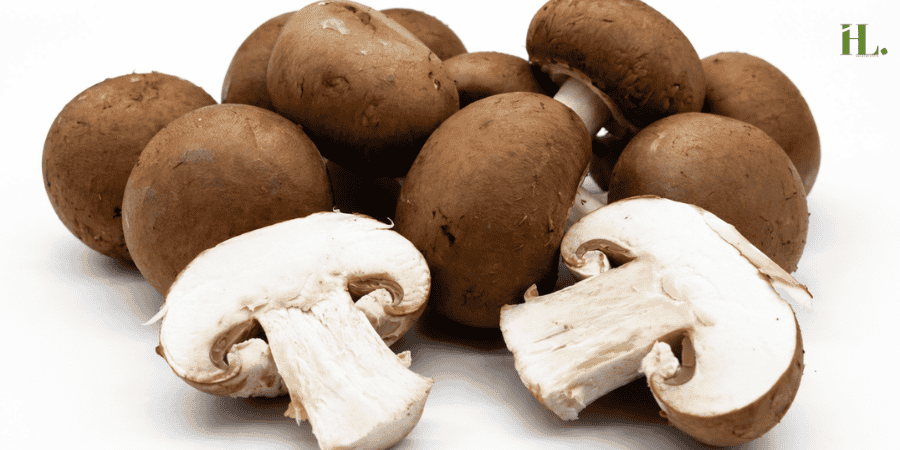
Tempeh
Tempeh is a well-known plant-based protein source that originated in Indonesia and is traditionally made from fermented soybeans, though many store-bought tempeh options also include other beans and grains. Through the fermentation process, the beans adhere together to form a dense block or cake, giving tempeh its firm texture and satisfying texture. It is commonly found in the refrigerated section of a health food store and most major grocery stores, sold as a versatile fermented soybean product.
When it comes to vitamin B12, tempeh’s B12 content is often near undetectable, even though it is sometimes described as a great source in limited discussions. In reality, levels vary, usually ranging between 0.7 mcg and 8.0 mcg per 100g, depending on how the tempeh is fermented and processed. This wide variation makes it nutritionally interesting, but not a consistent or reliable way to meet daily B12 needs without careful evaluation.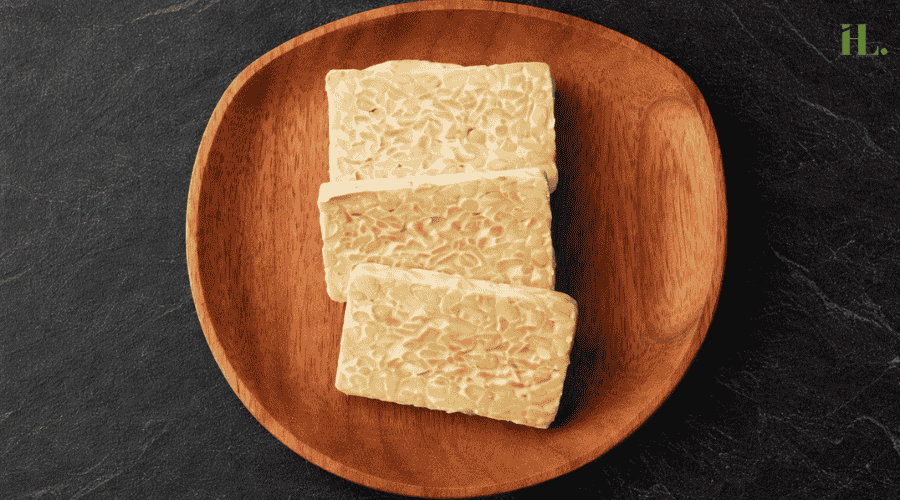
Algae or Seaweed
Algae and seaweed are often discussed as a vegan source of vitamin B12 (B12), and some people consider them a good source, but the reality is more nuanced. There are edible types across several different types, yet not all function as reliable sources, which is important to note when planning vegan nutrition. From what I’ve seen and reviewed, results differ widely because of nutrient variability, making assumptions risky.
Most research in this area is still in the early stages, and while scientific studies point to emerging evidence of B12 activity in certain forms, consistency remains unclear. As a plant-based source, algae and seaweed show promise, but current findings don’t place them alongside proven options, meaning careful evaluation is essential before relying on them for regular B12 intake.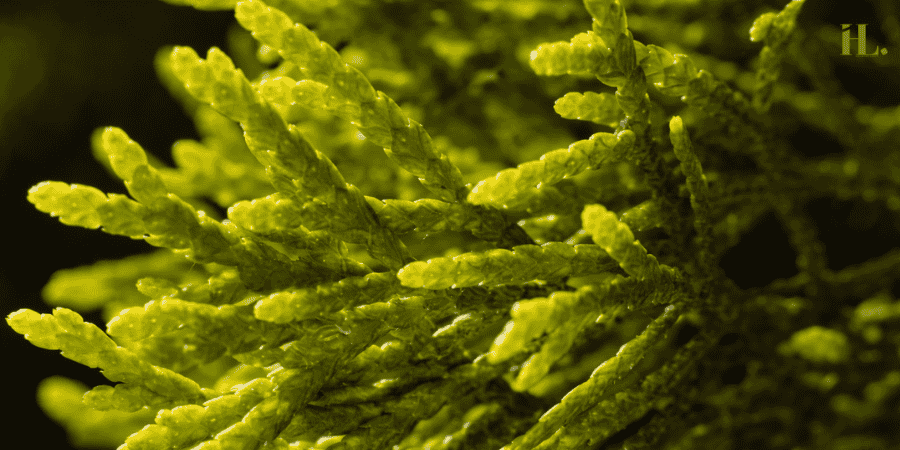
| Detail | Information |
|---|---|
| Form | Lozenge |
| Vitamin B12 Type | Cyanocobalamin |
| Dose | 1000 mcg |
| Recommended Use | One lozenge daily with a meal |
| Independently Verified | Yes |
| Servings Per Container | 50 |
| Other Nutrients | None |
Note: Consult a qualified healthcare professional before use, especially if you are pregnant, nursing, have a medical condition, or are taking any medications.
What happens if I don’t get enough vitamin B12?
Vitamin B12 is something the body needs to produce red blood cells, and these red blood cells transport oxygen and distribute oxygen to all tissues. When there is too little vitamin B12, less oxygen delivered can lead to fatigue and anemia, which may look similar to having too little iron or folate. Low B12 also affects how the body handles methylmalonic acid, or MMA, because B12 helps clear MMA, and without it, levels rise and stress the nervous system.
With ongoing insufficient intake, nerve-related issues like confusion, memory loss, numbing, and tingling in the hands and feet may appear, alongside excess homocysteine known as Hcy. When homocysteine accumulate, high homocysteine levels are linked to increased risk of heart disease, weaker bones, poor brain function, reduced kidney function, and even premature death, which is why consistent B12 intake matters so much on a vegan lifestyle.
How can I raise my B12 levels quickly?
To raise vitamin B12 and raise levels quickly, the most effective approach is using supplements, especially when taking supplements daily over a few months. Many people start taking 2000 micrograms (mcg) once a day, and noticeable changes can appear within two weeks as the body begins to replenish stores and increase absorption. Simple habits like chewing supplements before swallowing can support absorption, while learning how to store supplements in a dark place and cool place helps prevent premature degradation; some even use a refrigerator for added protection.
In cases of severe deficiency, it’s important to discuss with physician whether vitamin B12 injections are an appropriate option, as this can be the best course of action in a true deficiency case. Alongside this, consistently including B12-fortified foods in your diet a few times per day helps increase levels and maintain adequate levels, though it’s often difficult to rapidly increase B12 through fortified foods alone. Combining supplements with fortified foods usually delivers the most reliable results.
Best Time and Way to Take B12 for Maximum Absorption
Getting vitamin B12 right is less about chasing trends and more about maximum absorption, choosing the best time, and the right way to take it. From experience, morning intake works well for many people, either on an empty stomach or with food, depending on digestive health, stomach acid, and how well intrinsic factor supports the absorption pathway. These details directly affect absorption efficiency and bioavailability, especially on a plant-based diet.
- Sublingual tablets that dissolves under tongue bypass some gut limits
- Oral supplements, lozenges, chewable forms, liquid drops, and sprays offer flexible options
- Cyanocobalamin and methylcobalamin both work when dosage timing and consistency are maintained
- Choose daily intake or weekly dosing based on high-dose supplements vs low-dose intake
- Fortified foods support intake but vary in absorption rate
Factors like gut health, age-related absorption, and medication interactions, such as metformin, acid reducers, proton pump inhibitors, and alcohol intake, can lower results. Strong adherence, regular blood levels monitoring, and mindful vegan supplementation are key for deficiency prevention, making these natural strategies more effective long term.
Can I take too much vitamin B12?
Because vitamin B12 is a water-soluble vitamin, concerns about excessive intake or too much B12 are common but often misunderstood. In most cases, even high doses from supplementation, high-dose supplements, or injections are handled through excess excretion via urine elimination, which is why there is no established upper limit and the toxicity risk is considered low and generally safe. Still, absorption limits and bioavailability mean only a portion is used, while the rest raises blood levels temporarily, sometimes showing as elevated serum B12.
That said, individual tolerance varies, and some people notice side effects such as acne outbreaks, digestive discomfort, headache, or nausea, especially with long-term use or unnecessary supplementation after deficiency correction. Extra care is advised with underlying conditions involving liver disease or reduced kidney function, and with certain medication interactions, making medical supervision, physician guidance, and monitoring levels important. A balanced intake based on evidence-based dosing supports nutritional safety and aligns well with preventive nutrition goals.