I made 7-Day diet plan for weight gain because I found that gaining weight is more challenging than losing weight because when I was a slim man in my early 20’s I realized I was actually burn more than I was consuming and had to count calories the first few days and weeks through calorie calculators, knowing estimates and needs vary, so eating foods with high calories, healthy energy-giving foods, lean meat, dairy, eggs, seeds, and nuts was actually the good way to increase energy and protein intakes so I could maintain healthy, balanced amount diet and achieve actual weight gain results. A proper 7-Day diet plan for weight gain example can assist both normal-weight men, normal-weight women, a skinny girl, or an underweight person to increase weight slowly, steadily, not the fast way that leads to unhealthy belly fat, obesity, heart disease, type 2 diabetes, or other health problems, because healthy foods matter, and even soda can destroy health.
Even now, I prefer a higher calorie intake of several hundred calories per day, like 300-500 calories above maintenance level or sometimes 700-1000 calories, depending on goals, while also pairing with exercise to build muscle mass and allow subcutaneous fat, not visceral. The mindset is not to fear changing your diet, but to always enjoy your food with healthy food choices, and if any medical issue exists, always seek advice from a medical practitioner before following a full healthy diet plan followed every day, because a healthy diet, an overall healthy lifestyle, healthy lifestyle, and a healthy diet should always support strong physical health.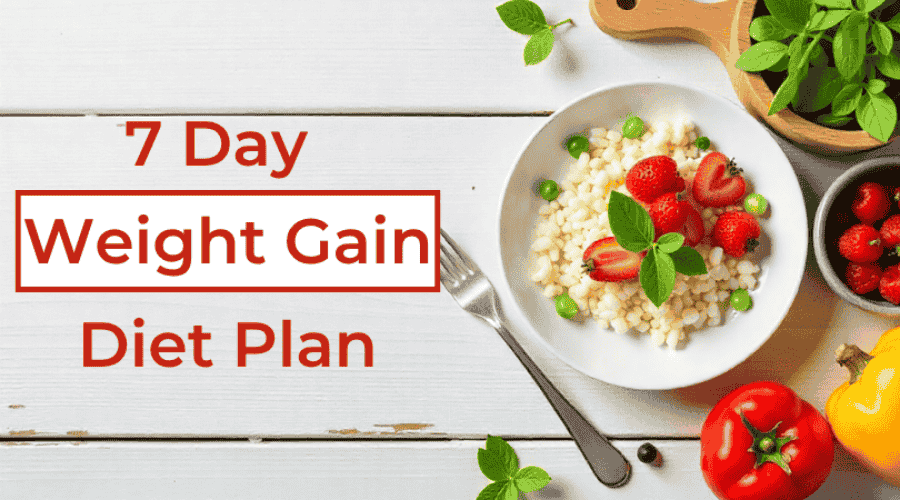
Table of Contents
- 1 What role does food play in Weight gain?
- 2 What are the principles of a healthy weight gain plan?
- 3 How many calories do you need to gain weight?
- 4 Standard Calories Table
- 5 Meal plan for healthy & safe weight gain
- 6 7-Day diet plan for Weight gain
- 7 What to Eat for Healthy Weight Gain
- 8 What to Avoid for Healthy Weight Gain
- 9 Tips for Effective Weight Gain
- 10 Frequently Asked Questions
What role does food play in Weight gain?
The types of food I eat daily determine whether I gain, lose weight, or maintain weight because the total amount of calories consumed from food on a daily basis shapes my progress. When I was eating mostly low-calorie foods, it supported weight loss, not weight gain which I wanted. As soon as I focused on high-calorie foods, the scale finally responded. It truly works like a simple math equation where you must eat more calories than you burn each day to make steady gaining weight progress.
Now I keep the amount controlled in a safe and healthy way that matches hunger, time and structure of the 7-day plan without force stuffing. That keeps the routine smooth and sustainable while still reaching results the way a healthy plan should feel.
What are the principles of a healthy weight gain plan?
Weight gain plans should emphasize calorie dense foods that actually provide energy and enough calories without immediately filling you up, because the real shift happens when you keep the structure sustainable inside daily routine. I learned that avoiding too many ultra-processed foods, sugary treats, foods high in sodium, unhealthy fats, and added sugars matters, because they are usually low in vitamins, minerals, and don’t support a strong foundation for long term success.
A healthy method for weight gain is to keep the diet high in calorie and nutrient dense foods that provide vitamins, minerals, nutrients, and are actually beneficial for health, so choosing nut butters, olive oil, dried fruits, bananas, avocados, and other calorie and nutrient dense options helps promote weight gain in a healthy way.
How many calories do you need to gain weight?
To gain weight, you must eat more calories than you burn each day in a structured routine. And how many calories you need varies for every person based on real body response and adaptation.
A registered dietitian is the best source to calculate calorie needs based on activity level and goals. This becomes even more important if you have unintentional weight loss due to illness or a shift from your original weight.
If you want to gain muscle with this 7-day approach, adding strength training paired with protein and extra calories accelerates progress smoothly. It also stabilizes weight gain instead of sudden weight bounce.
I prefer to slowly increase calories gradually so I can reach your goal without discomfort while keeping food preferences flexible. And this keeps space open for special dietary needs, so you can individualize your plan realistically.
Standard Calories Table
Meal plan for healthy & safe weight gain
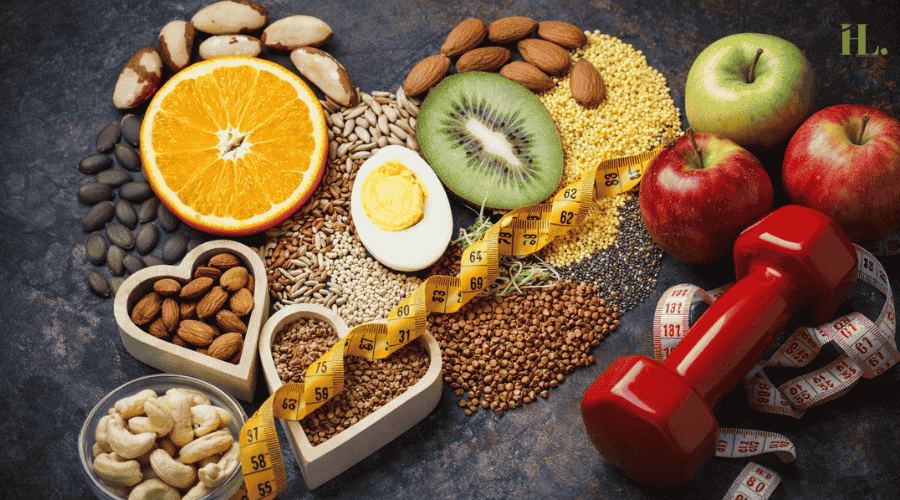
Ready to start moving toward your weight gain goals in a way that supports your body, metabolism, and overall health? A balanced, structured sample meal plan can guide your beginning phase. This plan includes three filling meals and two smart snacks each day with flexible swap options to match your routine and preferences. But remember, this plan is just an example and a starting framework. A dietitian can help you build an individualized meal plan to help you meet your goals while preventing any nutrient deficiencies.
7-Day diet plan for Weight gain
| Sunday | |||
|---|---|---|---|
| Breakfast | Lunch | Dinner | Snacks |
| Eggs — 2 Whole-grain bread slices — 2 Milk — 1 cup Mixed nuts — handful (calorie supportive) | Split Legume — 1 cup Vegie Curry — 1 cup 2 Flatbread Rice — 1/2 cup Salad — 1 cup | Chicken curry — 1 cup 2 Flatbread Salad — 1 cup | Banana smoothie — 1 glass Strawberry smoothie — 1 glass Vegetable flattened rice — 1 cup |
| Monday | |||
|---|---|---|---|
| Breakfast | Lunch | Dinner | Snacks |
| Cucumber potato sandwiches — 2 pcs Orange juice — 1 cup (fresh, vitamin C-rich) Handful of mixed nuts (energy dense) | Split Legume or chicken/fish curry — 1 cup Rice — 2 cups Salad — 1 cup | Seasonal vegetables — 1 cup 2 Flatbread Salad — 1 cup | Spiced potato snack — 1 cup Buttermilk — 1 glass Milk smoothie Bananas — 2 |
| Tuesday | |||
|---|---|---|---|
| Breakfast | Lunch | Dinner | Snacks |
| Semolina pancake — 2 pieces Strawberry shake — 1 glass A handful of mixed nuts | Split Legume — 1 cup Cheese curry — 1 cup Rice — ½ cup 2 Flatbread Salad — 1 cup | Vegetable/chicken/fish curry — 1 cup 2 Flatbread Salad — 1 cup | Coconut water — 1 glass Fresh fruit bowl — 1 cup Fruit salad — 1 cup Vegetable cutlets — 4 to 5 |
| Wednesday | |||
|---|---|---|---|
| Breakfast | Lunch | Dinner | Snacks |
| Vegetable omelet — 2 eggs Whole wheat toast — 2 slices Peanut butter — 1 tbsp Banana milk smoothie — 1 glass | Rice — 2 cups Lentil curry — 1 cup Chicken or paneer curry — 1 cup Mixed vegetable salad — 1 cup Yogurt — ½ cup | 2 Flatbread Vegetable or fish curry — 1 cup Boiled potatoes — 1 cup Salad — 1 cup | Handful of mixed nuts Fruit smoothie — 1 glass Boiled corn — 1 cup Dates — 2 to 3 |
| Thursday | |||
|---|---|---|---|
| Breakfast | Lunch | Dinner | Snacks |
| Vegetable stuffed parathas — 2 pcs Curd — 1 cup Handful of nuts (high-calorie support) | Split Legume or chicken curry — 1 cup Seasonal vegetables — 1 cup 2 Flatbread Rice — 1/2 cup Salad — 1 cup | Seasonal vegetables — 1 cup 2 Flatbread Salad — 1 cup | Fresh fruit juice — 1 glass Whole-grain toast — 2 pcs |
| Friday | |||
|---|---|---|---|
| Breakfast | Lunch | Dinner | Snacks |
| Vegetable flattened rice — 1 cup Curd — 1 cup Handful of nuts (healthy fats) | Split Legume — 1 cup OR chicken/fish curry Seasonal vegetables — 1 cup 2 Flatbread Rice — 1/2 cup Salad — 1 cup | Seasonal vegetables — 1 cup 2 Flatbread Salad — 1 cup | Fresh fruit juice — 1 glass Gram flour pancakes — 2 pcs Sprouts salad — 1 cup |
| Saturday | |||
|---|---|---|---|
| Breakfast | Lunch | Dinner | Snacks |
| Moong Split Legume — 2 pcs Curd — 1 cup Mixed nuts — handful | Split Legume — 1 cup 2 Flatbread Rice — 1/2 cup Curd — 1 cup Salad — 1 cup | Seasonal vegetables — 1 cup 2 Flatbread Salad — 1 cup | Fruit smoothie Tomato soup — 1 bowl Spiced potato snack — 1 cup |
What to Eat for Healthy Weight Gain
All these foods are calorie-dense, highly palatable and often processed or junk items lacking essential nutrients, so it becomes important to focus on getting most of your calorie intake from nutritious whole foods, nutrient-dense options, and balanced healthy eating sources, including:
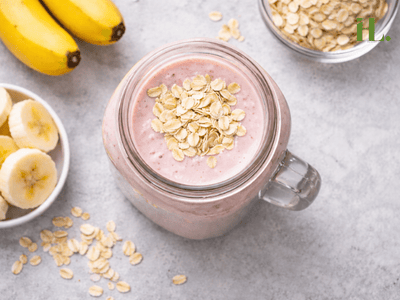
Homemade Protein Smoothie
Drinking homemade protein smoothies is a quick, nutritious way to gain weight fast because you have complete control over flavor, nutrient content, and can prepare a chocolate banana smoothie with banana, a scoop of chocolate whey protein, 15ml of peanuts or other nuts, and similar smoothie recipes that provide the body around 400–600 calories with a large amount of protein, important vitamins, and minerals to gain weight effectively.
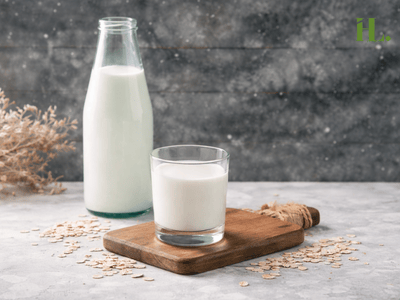
Milk
Milk is one of the most effective food options to gain weight and build muscle because it provides a good balance of protein, carbs, and fat while being a rich source of calcium, vitamins, and minerals, and since milk protein contains both casein and whey protein, it helps add muscle when combined with weightlifting and even enhances results more than many other protein sources.
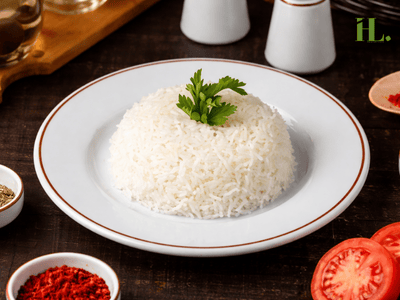
Rice
160 grams cooked white rice contains around 204 calories and 44 grams carbs with very little fat, making it high in calories and a large amount of carbs in just a single serving which helps me eat more food effortlessly, and I often make rice more delicious and boost protein by adding avocado, Parmesan cheese, broccoli, cheese, eggs, toasted sesame seeds, peanuts, and cashews.
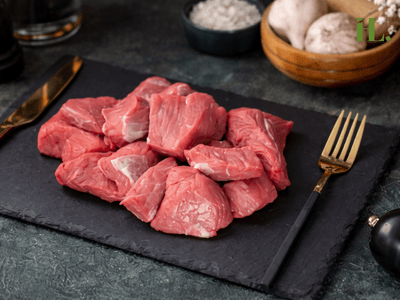
Red Meats
Red meats are powerful muscle-building foods and excellent weight gain foods because a 170 grams steak provides around 456 calories, 49 grams protein, and nearly 5 grams leucine which is an important amino acid required to stimulate muscle protein synthesis, add new muscle tissue, and since they are a natural source of creatine and other supplement muscle-building compounds, both lean meats and fatty meats act as rich sources of protein that provide more calories to help you gain weight effectively.
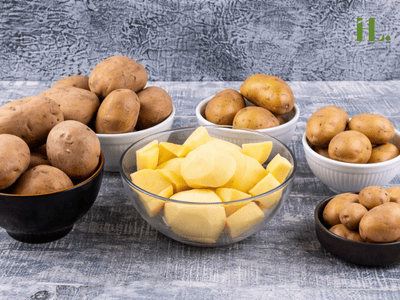
Potatoes and starches
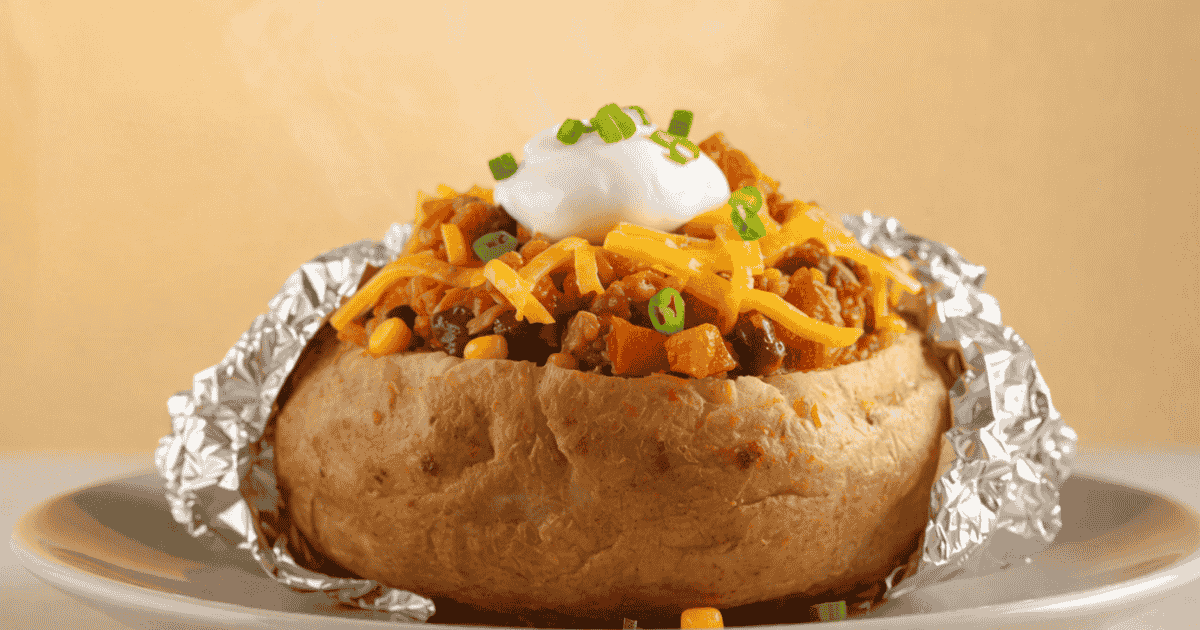
Potatoes and other starchy foods are good sources of calories that help you gain weight through healthy starch sources like quinoa, oats, corn, buckwheat, potatoes and sweet potatoes, squash, winter vegetables, beans, legumes, and tubers which add carbs, increase glycogen stores in muscles where glycogen becomes a primary fuel source for activities and sports, while these carb sources also provide important nutrients, fiber, and resistant starch to feed gut bacteria.
What to Avoid for Healthy Weight Gain
Relying on Nutrient-poor convenience foods instead of balanced, whole-food meals often leads to sluggish metabolism and poor body composition outcomes:
Refined Sugars and Sweets
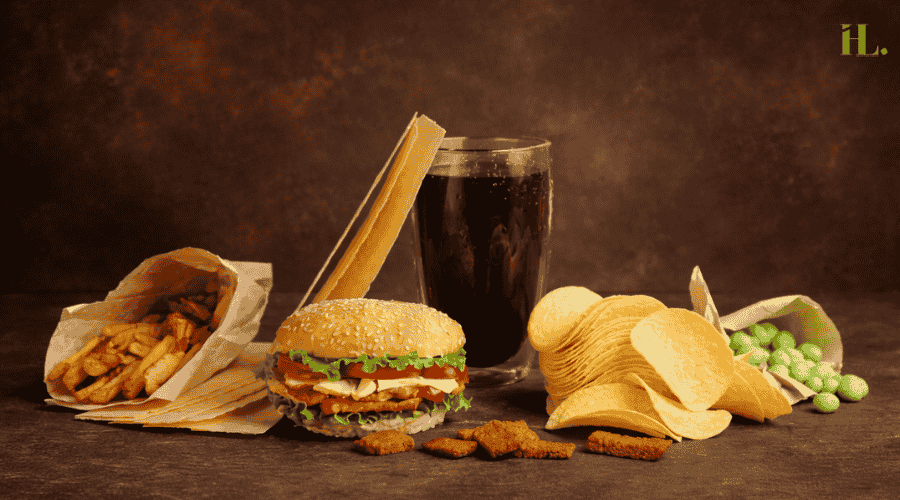
Sugar-rich foods like cookies, candies, and soda may look like an easy way to gain weight, but they mostly lead to fat gain instead of muscle gain.
Fried and Processed Foods
Deep-fried foods such as French fries, fried chicken, and chips are high in calories, unhealthy fats, and excessive sodium, which can trigger inflammation, contribute to heart disease, and cause weight gain in the wrong way.
Low-Quality Carbohydrates
White bread, white rice, and sugary cereals lack fiber and many nutrients needed for a good nutrition plan, making them unhelpful for quality weight gain.
Alcohol
Excessive alcohol consumption can disrupt digestion, affect muscle recovery, impact hormone balance, and make it much harder to achieve healthy weight gain.
Tips for Effective Weight Gain
- Monitor Your Progress by keeping track of daily calorie intake, weight changes, and adjusting calories if progress stalls or weight gain is too rapid.
- Pair with Strength Training using resistance exercises to convert extra calories into muscle rather than fat for ensuring healthy weight gain.
- Choose Nutrient-Rich Foods focusing on wholesome, calorie-dense foods instead of processed snacks with little nutritional value.
- Stay Hydrated Smartly by drinking plenty of water or nutrient-packed smoothies, but avoid drinking large amounts right before meals to prevent reduced appetite.