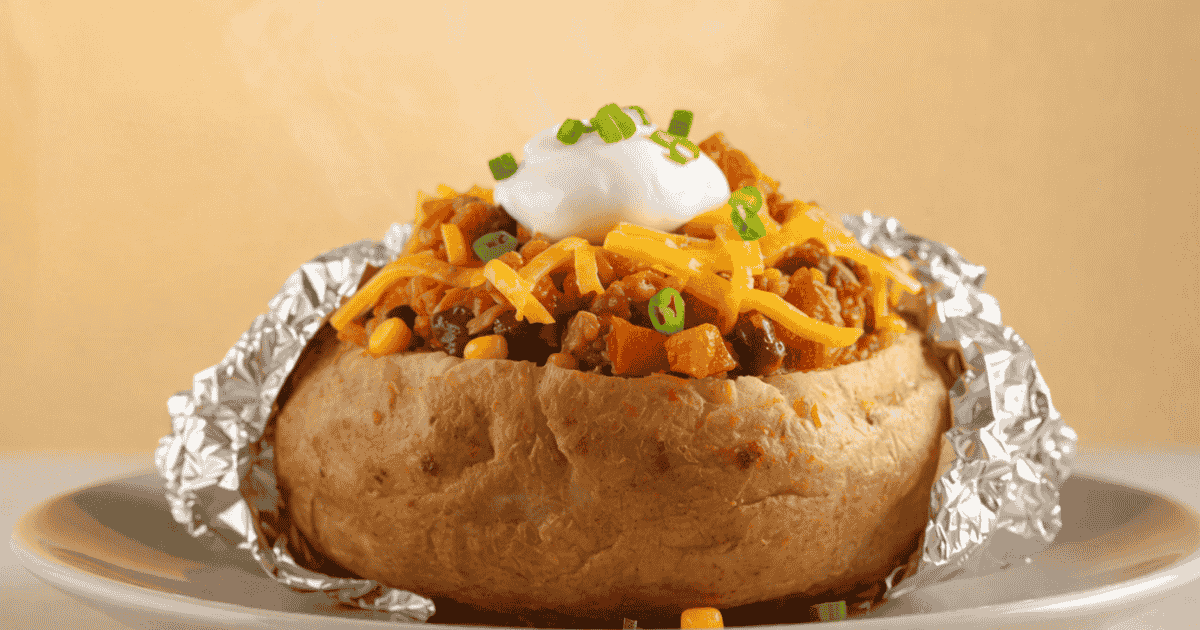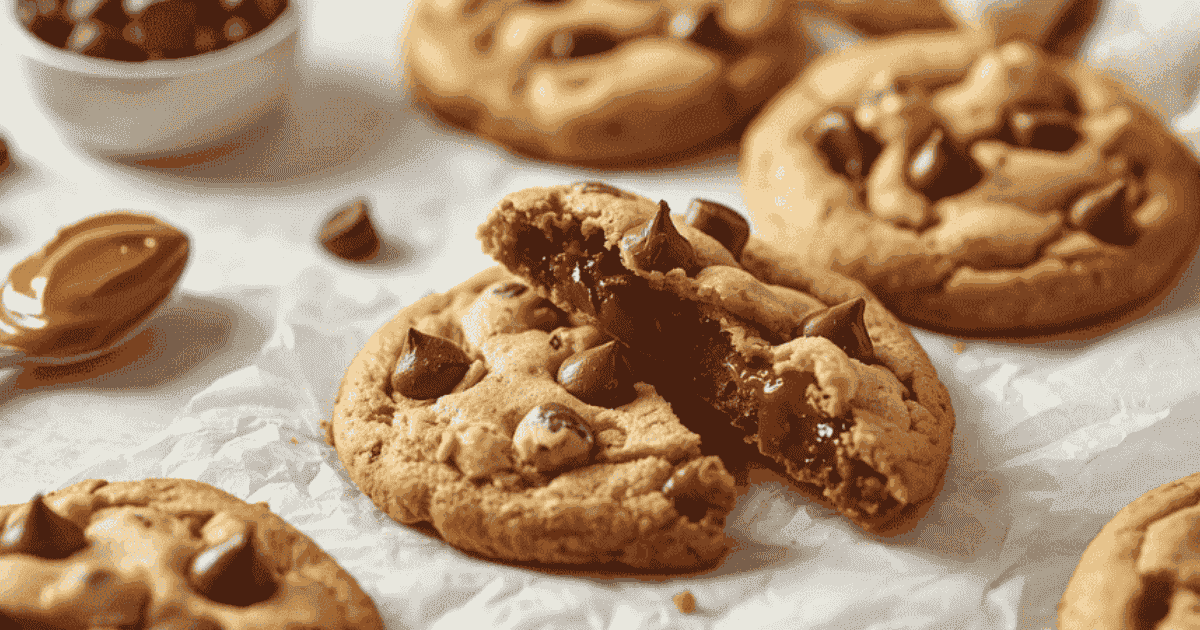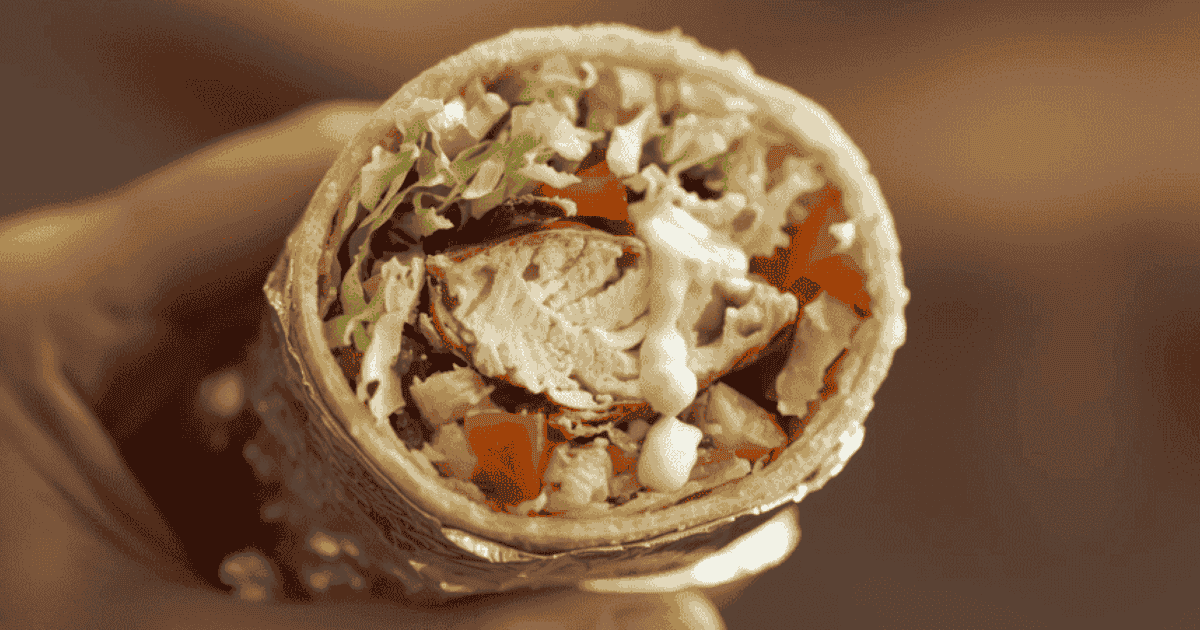
High Blood Pressure Diet Chart for BP Patients is very necessary for them because many adults in the United States don’t realize that high blood pressure and hypertension can behave like a silent killer, because there are typically no symptoms. Yet, the increased risk of heart disease, stroke, and kidney disease continues building quietly as the force of blood keeps hitting the artery walls and every blood vessel when it stays consistently too high, affecting the size of arteries and the elasticity of arteries without the person even noticing.
I learned this lesson deeply during a routine physician visit, when I saw how the way we measure blood pressure matters and how, even when a medication is prescribed, your daily lifestyle, especially what you eat and drink, plays the biggest role in lowering blood pressure naturally, rather than relying solely on pills.

Table of Contents
- 1 What is Hypertension and How Does It Develop??
- 2 Major Causes Behind High Blood Pressure
- 3 How to Reduce High Blood Pressure Effectively?
- 4 Important Nutrients for Blood Pressure Regulation
- 5 High Blood Pressure Diet Chart for BP Patients
- 6 Foods to Avoid for High Blood Pressure
- 7 How Often Should You Check Your Blood Pressure?
- 8 Frequently Asked Questions
What is Hypertension and How Does It Develop??
High blood pressure or hypertension is a condition where the flow of blood keeps stressing the artery wall like a silent killer, and because there are no symptoms, most adults especially in India don’t realize how severe this health concern has become with a prevalence of 25-30% across urban and rural populations according to the World Health Organization, and in my own experience working with clients in different region based lifestyles, I’ve seen how Millimeter of mercury (mm Hg) based BP readings shift fast when the top number hits 140 mmHg and bottom number reaches 90 mmHg, while 120/80 mmHg stays in that pre-hypertension category beyond normal and silently leads to health problems like heart disease, stroke, kidney disease, and vision issues without warning.
Major Causes Behind High Blood Pressure
When the heart pumps and the amount of blood it pushes moves through arteries with force, it raises blood pressure, especially when narrow arteries make the heart work harder, which can cause strain and lead to high blood pressure more easily.
Primary hypertension is when the heart pumps normally but over time, the amount of blood that moves through arteries mixed with poor lifestyle habits, ageing, plaque build-up, chronic stress, and stress itself, slowly leads to high blood pressure because the exact cause is not fully understood and develops gradually over time and there isn’t one single cause you can point at directly.
Secondary hypertension is different because it happens due to underlying health conditions or medical conditions that create a specific cause like thyroid problems, obstructive sleep apnea, kidney disease, blood vessel problems, and even cough & cold problems which can spike blood pressure suddenly when narrow arteries block natural heart pumping, making it easier to detect compared to primary since triggers are more obvious contributing factors.
How to Reduce High Blood Pressure Effectively?
Effective management of high blood pressure works best with a combined approach where lifestyle change and medication support each other based on your blood pressure reading. A hypertension specialist or cardiologist can identify if there is an underlying condition affecting control. This way, the management of hypertension is not only medication-based but strategic and long-term.
Lifestyle Changes to Lower Blood Pressure
Lowering blood pressure naturally becomes realistic when consistent lifestyle changes like maintaining a healthy weight, choosing a healthy diet, cutting down on salt to less than 1,500 mg/day, and consuming potassium around 3,500 – 5,000 mg/day are prioritized along with an active lifestyle and limiting alcohol, and even though reversing stage 1 hypertension through habits alone is possible, it is not quite common without long-term discipline.
Important Nutrients for Blood Pressure Regulation
These nutrients help to manage and lower high blood pressure in a natural way. Certain foods support heart balance better than others and work more effectively when they are part of everyday meals:
Potassium
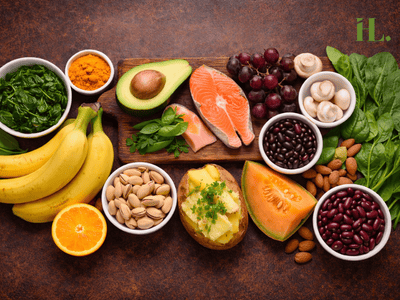
Potassium is a key mineral that helps regulate sodium level because the kidneys eliminate excess sodium, which relaxes blood vessel walls for better blood flow, and you can get a quick potassium boost through fruits like bananas, avocados, cantaloupe, oranges, dried apricots and vegetables like sweet potatoes, spinach, potatoes with skin, tomatoes, Brussels sprouts, while dairy such as yogurt, Greek yogurt, milk, and cottage cheese also support intake; but a doctor should confirm if a high potassium diet is suitable for people with kidney disease since higher potassium levels may not always be safe to try.
Magnesium
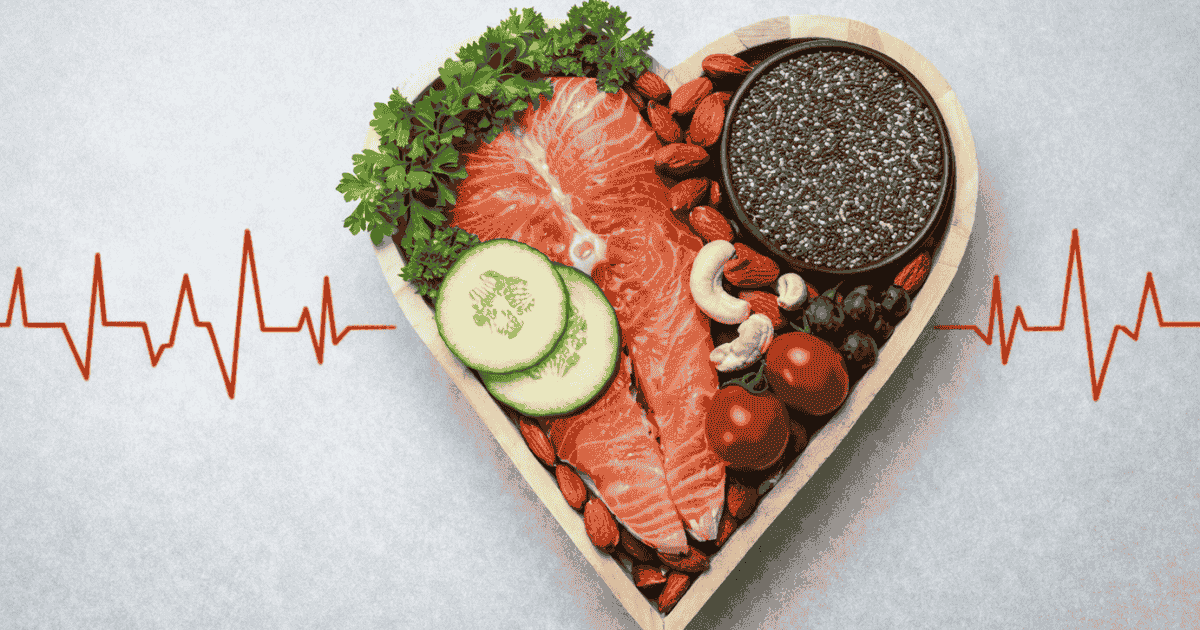
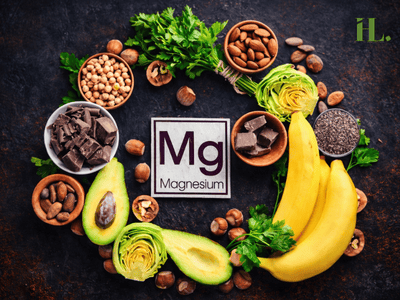
Magnesium helps relax blood vessels naturally, and this is why including leafy greens like spinach, kale, Swiss chard, adding nuts and seeds such as almonds, pumpkin seeds, chia seeds, sunflower seeds, choosing whole grains like brown rice, rolled oats, quinoa, and even adding legumes including black beans and kidney beans, plus balanced protein sources like chicken, salmon, tuna, and tofu can strongly support BP-friendly eating in a clean routine pattern.
Calcium
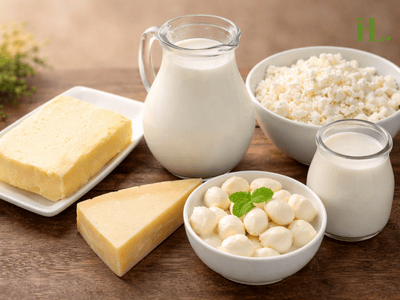
Calcium is a key mineral that supports blood vessel function by helping them tighten and relax effectively, and this can be improved through dairy sources like milk, Greek yogurt, cheese, fat-free dairy products, low-fat dairy products, along with leafy greens such as kale, collard greens, spinach, and also through calcium-fortified foods like plant-based milk alternatives and cereals that easily fit into a BP-friendly routine.
Fiber
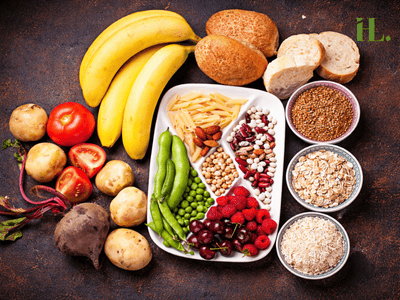
Fiber from plant-based foods helps produce healthy gut bacteria and short-chain fatty acids that may lower blood pressure, and a dietitian often recommends around 25 to 35 grams per day, where even 4 grams of fiber from half cup blackberries or raspberries and high-fiber foods like oatmeal, whole grains, oats, brown rice, whole wheat bread, fruits and vegetables with edible skins and edible seeds, plus legumes, beans, and lentils can support hypertension naturally in daily eating.
Omega-3 fatty acids
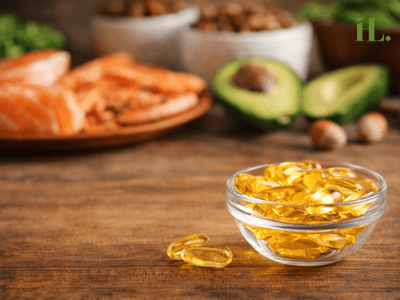
Omega-3 fatty acids are a type of healthy fat that supports blood vessels and helps slow plaque buildup, and you can naturally increase intake through fatty fish like salmon, tuna, mackerel, sardines, or by adding nuts and seeds such as flaxseeds, walnuts, hemp seeds, chia seeds, and even legumes like soybeans to support BP-friendly nutrition.
Nitrates
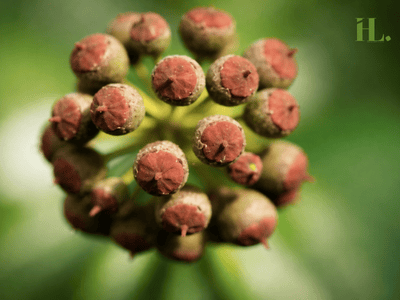
Nitrates are molecules made of nitrogen and oxygen that convert into nitric oxide, which relaxes blood vessels, and foods rich in them, like leafy greens, including spinach and arugula, along with berries such as blueberries, strawberries, raspberries, cranberries, plus beets, beetroot, and beetroot juice, can support healthy BP naturally.
Can Supplements Help?
Some people consider supplements of calcium, magnesium, and potassium, but these minerals are still more reliable through the foods you eat, because many over-the-counter products are not scrutinized by the Food and Drug Administration and may even contain unknown ingredients, so taking supplements should only be discussed with your care team especially if you are not getting enough from your diet, instead of self-selecting options alone.
High Blood Pressure Diet Chart for BP Patients
A 7-Day Diet Chart for High Blood Pressure emphasizes low-sodium meals, potassium-rich foods, and heart-friendly nutrients that help maintain healthy blood pressure levels. When paired with a balanced routine, it supports cardiovascular strength and long-term wellness while aligning naturally with a Weight gain plan and a chart:
| Sunday | |||
|---|---|---|---|
| Breakfast | Lunch | Dinner | Snacks |
| 2 Layered flatbread (Potato/onion) — light oil Low-fat iced yogurt drink — 1 glass | Kidney bean curry — 1 cup Brown rice — small bowl Salad with beetroot (heart-friendly) | 2 Flatbread (multigrain) Grilled chicken curry or cheese (1 cup) Vegetable salad | Watermelon seeds — small handful Sweet potato salad — ½ cup Green tea — 1 cup |
| Monday | |||
|---|---|---|---|
| Breakfast | Lunch | Dinner | Snacks |
| Oatmeal with fresh banana slices Low-fat milk (sodium-aware) | 2 Flatbread Cluster beans veggie curry — 1 cup Cheese veggie curry — ½ cup Cucumber salad (hydrating, potassium-supportive) | Curd bowl (low-salt) Steamed seasonal vegetables (salt minimized) | Unsalted almonds — small handful Watermelon — small bowl Roasted chickpea or sprouts — small bowl Green tea — 1 cup |
| Tuesday | |||
|---|---|---|---|
| Breakfast | Lunch | Dinner | Snacks |
| Savoury rice cake — 3 pcs with light Mint Cilantro Condiment — 1 tablespoon, low-salt | Rice — 1 cup (steamed) 2 Flatbread Elephant foot yam veggie curry — ½ cup scarlet gourd veggie curry — ½ cup Fresh salad — cucumber/greens, lemon squeezed | 3 Flatbread (multigrain) Bottle gourd veggie curry Vegetable salad — ½ cup | Coconut water — small glass Pomegranate — small bowl Apple slices Tea or low-fat milk — 1 cup |
| Wednesday | |||
|---|---|---|---|
| Breakfast | Lunch | Dinner | Snacks |
| Vegetable sandwich 1 cup buttermilk (low-salt) | Red lentils — 1 cup 2 pearl millet flatbreads Mixed veggie curry Raw pawpaw salad | Vegetable soup bowl 1 Wheat Flatbread Spinach Leaves veggie curry | Pear or Orange One bowl of unsalted popcorn Green tea — 1 cup |
| Thursday | |||
|---|---|---|---|
| Breakfast | Lunch | Dinner | Snacks |
| Vegetable flattened rice (light oil, low-salt) Toned/low-fat milk — 1 glass | Split pigeon peas — 1 cup 2 Flatbread (whole wheat) Brinjal veggie curry Tomato salad — lemon squeeze | Grilled fish or cheese (low-salt) Steamed broccoli 2 Flatbread | Herbal tea 2 whole-wheat crackers Boiled sweet corn — small bowl with lemon & coriander |
| Friday | |||
|---|---|---|---|
| Breakfast | Lunch | Dinner | Snacks |
| Wheat porridge (light oil, low-salt) Low-fat milk — 1 glass | hotchpotch — Curd bowl Carrot-beet mixed salad | 3 Flatbread okra vegie curry — ½ cup Vegetable salad — 1 cup | Roasted fox nuts — small bowl Mixed fruits — small bowl |
| Saturday | |||
|---|---|---|---|
| Breakfast | Lunch | Dinner | Snacks |
| 2 finger millet pancake Coriander condiment (light salt) | Grilled bean curd (low-salt) Vegetable pilaf (mild seasoning) Cucumber condiment (low-fat curd) | Vegetable soup — 1 bowl Whole wheat wrap with grilled veggies | Fresh fruit salad — small bowl tropical fruit — 1 medium |
Foods to Avoid for High Blood Pressure
Highly processed foods, saturated fats, excess salt, fried food, and excessive alcohol intake can elevate blood pressure, especially when your recommended daily calorie intake is regularly crossed because too many calories lead to weight gain and excess weight, and diets high in sodium from smoked foods, cured foods, salty sauces, and meals that are low potassium from fruits and vegetables and low minerals like calcium from dairy products and magnesium from whole grains and vegetables make the condition worse; so avoiding processed meats such as bacon and hot dogs, canned foods with preservatives, high-sodium foods like pickles and potato chips, fried foods like French fries and chicken strips, fatty meats especially red meat, vegetable oil, margarine with trans fat, table salt, and grapefruit can help keep BP more stable and safer.
- Bacon, hot dogs (processed meats)
- French fries, chicken strips (fried foods)
- Pickles, potato chips (high-sodium foods)
- Foods cooked in vegetable oil or margarine
- Red meat and other fatty meats
- Canned foods with preservatives
- Table salt and salt-heavy items
How Often Should You Check Your Blood Pressure?
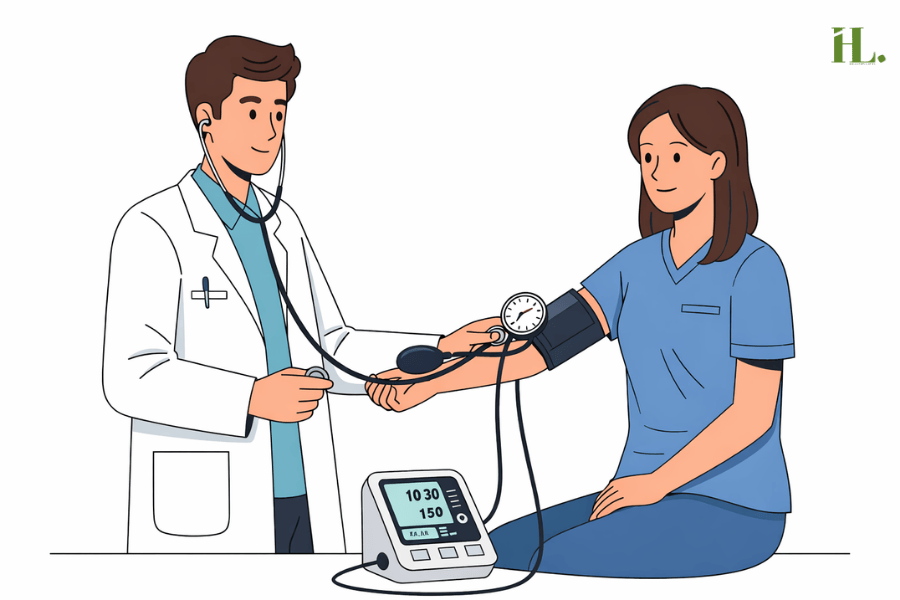
After a diagnosis of high blood pressure, regular checks beyond only healthcare screening visits are important, and using a blood pressure test at home with a proper blood pressure cuff as part of your personal healthcare toolkit helps avoid white coat syndrome or masked hypertension, but you must measure blood pressure properly by doing morning testing, emptying a full bladder, keeping the arm on a chair with arm supported, correct bicep placement or forearm position, feet flat on the floor, and bicep level with chest at heart level while you rest two to three minutes to avoid an artificially high reading; and with millions of Americans living with high blood pressure who are not adequately treated, consistent monitoring guides better diet changes, lifestyle changes, medications, heart health, stroke prevention, and kidney disease prevention.