Diet for Kidney and Dialysis Patients is important to understand because when the kidneys begin shrinking in size or lose their crucial functions like blood filtration, regulating blood pressure, maintaining electrolyte balance, and producing urine, the body silently changes forever. I have seen in real clinical cases that when health conditions like high blood pressure, diabetes, obesity, poor lifestyle, and poor diet continue for years, damage slowly reduces their functional abilities until the kidneys fail, and then toxic substances, food metabolites, fluid, and wastes accumulate inside the body. This is exactly why research shows that over 10% population in the world battles kidney disease, making it a common health concern everywhere.
For kidney patients and dialysis patients, following a special diet becomes the only way to survive with stability and better quality life. I personally witnessed how adjusting diet literally changed the emotional rhythm of their routine, because when renal conditions advance, every bite decides chemistry inside the body. A carefully structured healthy diet helps control fluid, reduces toxic wastes, prevents new accumulation, and supports remaining function and this personal realization made me teach realistic diet behavior over perfection mindset.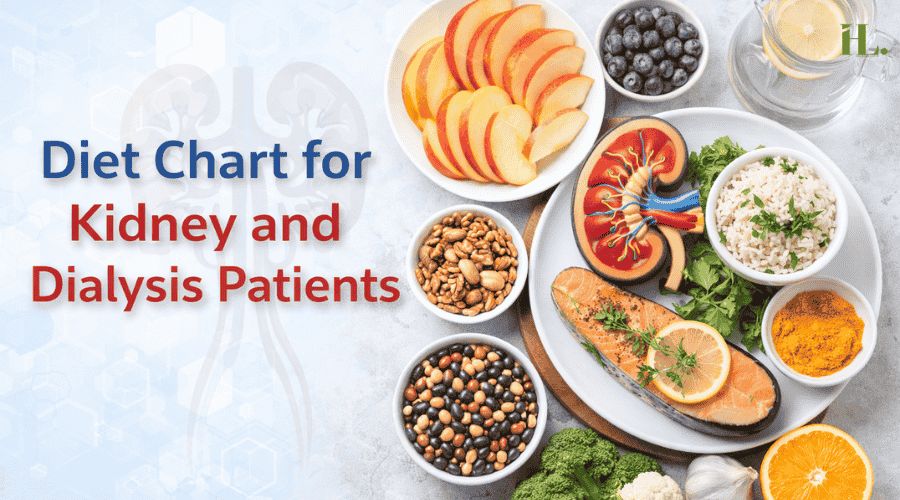
Table of Contents
What a Kidney-Friendly Diet Actually mean?
A diet chart for kidney patients and diet for dialysis patients is designed to protect kidney’s functions, support organs, and keep the body’s minerals, electrolytes, salt, potassium, and body’s fluids balanced, because the kidneys balance fluids and make hormones and when this fails, everything shifts inside the body. I’ve seen many times that if we don’t control excess sodium, it leads to high blood pressure, swollen ankles, fluid build-up, and even shortness of breath, which slowly damages the heart and lungs without warning. A real kidney-friendly flow is honestly about preventing toxins to accumulate and prioritizing the right proteins, minerals, vitamins, and balance of calories daily to protect kidneys from damage and further damage.
- Cut down table salt and high-sodium seasonings to avoid pressure spikes and difficult fluid shifts in the body.
- Limit foods and limit fluids that encourage fast overload because the margin for error in renal bodies is extremely thin.
- Quality diet protects stability.
Food for Dialysis Patients
Food for kidney patients on dialysis still needs enjoyment but controlled restrictions, because every renal diet can differ person to person depending on the extent of kidney damage, and the doctor evaluates the most suitable diet to support the eliminating wastes and eliminating toxins process from blood while limiting Sodium (around 2 grams per day), Potassium (around 2.4 grams per day), and Phosphorus (around 800 to 1000 mg per day) since kidneys cannot drain out excess sodium, cannot remove excess phosphorus properly, and this is where correct food items, safe Protein food and mindful Fluid control make a massive difference for long-term renal stability:
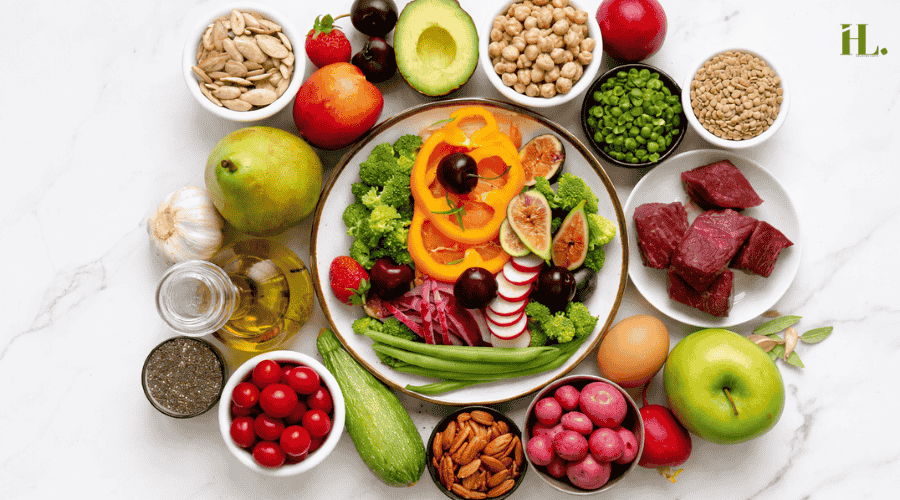
- Cauliflower supports renal meals naturally and can be cooked in multiple forms without disturbing renal diet electrolyte safety.
- Berries offer antioxidant nourishment while staying kidney-friendly and not provoking large mineral shifts.
- Egg whites deliver clean protein support suitable for dialysis based nutritional patterns with less strain.
- Garlic provides rich seasoning value without needing table salt and protects against unnecessary Sodium load.
- Pineapple offers sweetness, fiber balance, and remains a safer potassium choice for kidney stability.
How Can I Follow a Diet for Kidney and Dialysis Patients
A kidney-friendly eating plan should include the following nutrients in the right amounts for safe balance in foods for dialysis patients and long term stability:
- Include food with protein — protein provides energy, supports the body to build muscles, helps it heal faster, and proteins right amount remains essential in every dialysis patient’s food list.
- Add healthy fats — healthy fats in a diet chart for kidney dialysis patients are important for providing energy, helping the body absorb vitamins, and maintain body temperature.
- Consume carbs — always take carbs right proportion because they convert into energy more smoothly than fats and proteins.
| Kidney Patients Diet Chart | |||
|---|---|---|---|
| Breakfast | Lunch | Dinner | Snacks |
| Two egg whites or ½ cup egg substitute One plain steamed rice cake Unsalted butter 1 tsp Coriander savory condiment 1 tbsp (optional) Spiced curry ~ ⅓ cup Tea ½ cup Cream of wheat ½ cup Sugar ½ tbsp Non-dairy creamer ¼ cup | Dal fry ¾ cup (low-salt) Two small flatbreads + Cauliflower + leached potato dish ½ cup Mixed fruit ½ cup (grapes & pineapple) Salad ¾ cup (spinach, mint, cucumber, green pepper, lettuce, cilantro) with lemon & olive oil Tea 1 cup with non-dairy creamer | Vegetable cutlets 2 pcs Cranberry pulao ½ cup Zucchini stir-fry ½ cup Lime soda 1 cup Peach pie 1 piece | Corn idli 3 pcs Coriander savory condiment 1 tbsp Cold water 1 cup |
Discuss with Your Dietitian
Always discuss food items you should eat or avoid with your dietician, because what you eat and drink directly affects kidneys and the response can shift based on stage of kidney disease and every underlying health condition. They will work with you to chalk a plan that fits your unique requirements naturally and personally for safer renal living.
Fluids
Restricting intake of fluids is extremely important because water from fruits, vegetables, and those with high water content like melons, grapes, apples, and oranges can make fluids build up between dialysis sessions causing swelling, weight gain, extra fluids overload that can affect blood pressure and lead to serious heart troubles, so your dietician must guide you on how much fluids daily you need, and you must reduce fluid intake, use small cups, prefer low-sodium products, avoid salty food such as chips, and reduce salt you eat to professionally help keep fluids down and follow it strictly.

Potassium
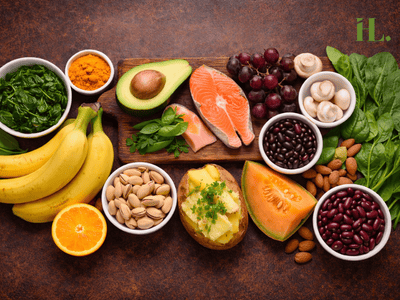
Potassium must be monitored carefully because the right amount of potassium is needed for healthy heart beats and healthy kidneys, but when potassium levels rise between dialysis sessions, it directly enters the blood and can affect heartbeat, and from experience I’ve seen eating too much potassium can become extremely dangerous to heart and even cause death, so you must control potassium levels, avoid food rich in potassium like milk, dairy products, bananas, dry fruits, or keep smaller portions of oranges and melons, choose low potassium fruits, and even remove potassium from potatoes by dicing, shredding, and boiling in water.
Phosphorus
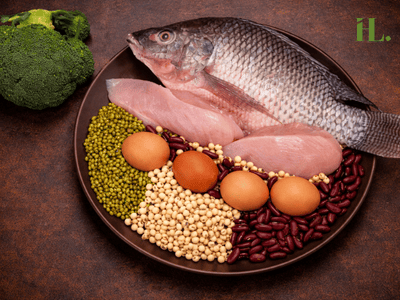
Phosphorus must be handled carefully because too much phosphorus in the blood can pulls calcium out of bones which makes bones weak, more likely to break, and even makes skin itchy, so your dietitian may ask you to avoid foods rich in phosphorus like milk, cheese, dried beans, peas, nuts, and peanut butter, or take them in less quantity based on doctor advise, and sometimes phosphate-binding medications are needed to control blood phosphorus between dialysis sessions because these medications act like sponges, soaking up phosphorus and restricting entering blood naturally.
Sodium
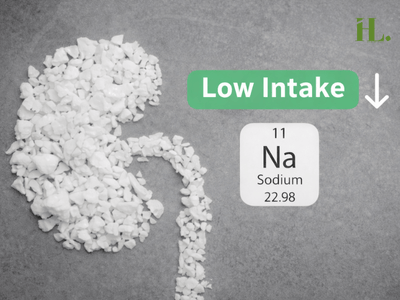
Sodium control is always a priority because high amounts of sodium from salt, foods, canned foods, frozen foods, and avoid salty food like chips can trigger higher thirst which later makes the heart work extra harder to pump fluid throughout body, raising risk of high blood pressure and even heart failure, so choosing fresh foods and switching to naturally low sodium salts becomes a smart daily strategy for safer dialysis living.
Proteins
Proteins must be planned precisely because a low-protein diet is needed before being on dialysis, but once treatment starts, patients are asked to eat as much protein coming from high-quality protein food since protein helps keep muscle healthy, supports repair tissues, builds greater resistance to infections, and even helps you recover from surgery quickly, so your dietitian may recommend meat, fish, poultry, eggs, and especially egg whites as safer renal protein sources.