When I first worked with people dealing with anemia, I realized how Iron Deficiency becomes a silent nutritional disorder that the World Health Organization constantly warns about, because the deficiency of iron directly affects RBCs, blood, oxygen supply, and hemoglobin formation inside cells, making the person extremely weak and tired with zero rhythm to execute even a simple diet plan consistently. Therefore, I made an Anemia Diet Chart that will be helpful for Anemic Patients because I noticed those who didn’t understand the difference between hemoglobin iron and non-hemoglobin iron always struggled longer, because the form your body receives truly changes everything.
The dietary intake of iron must come from a smart balance where iron-rich foods like meat, poultry, seafood, beans, and green leafy vegetables are prioritized, but also ensuring nothing interferes with the iron absorption process, because without prioritizing iron-rich foods, you can’t build healthy red blood cells. Yes, causes like inadequate dietary intake or chronic blood loss may require oral iron supplementation or sometimes intravenous IV iron treatment, but even then, the common foundation stays the same: structure diet first and supplements second.
Table of Contents
What are the causes of Anemia?
In most cases, a lack of iron coming from the wrong diet is the primary accelerator behind iron deficiency anemia, but the reasons are not always surface-level. I have seen people with heavy menstruation, bleeding inside the stomach or intestines, and those using Nonsteroidal Anti-Inflammatory Drugs (NSAIDs) developing ulcers, piles, esophagitis, gastritis, colitis, or hidden inflammatory conditions that quietly lead toward the same path. Even cancers, medical conditions like Crohn’s disease, bariatric surgery, and heavy menstrual periods push this faster, and pregnant people or those following a vegan diet may fall short even with the best effort. Most doctors increase focus on iron supplements when your daily iron intake is not hitting the Recommended Daily Allowance (RDA) according to age, sex, or special phases like pregnancy, where a female or male aged 19–50 years or even a baby younger than 6 months requires different milligrams. Some cases demand dosage recommendations like 150–200 mg, or 2–5 mg per kilogram body weight, but it must be monitored because the body may not absorb high doses well, so choosing a suitable dose of extra iron actually creates a more significant boost than randomly overdosing supplements.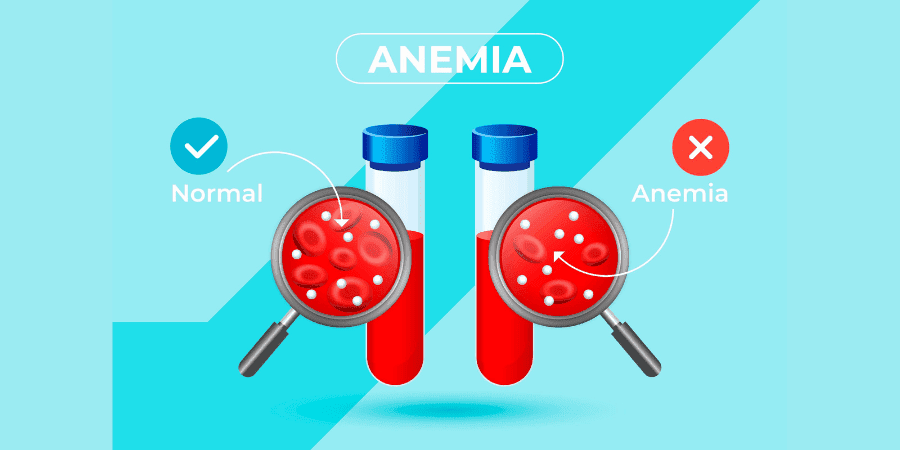
7-Day Proven Iron Deficiency Anemia Diet Chart
A well-structured 7-day diet plan for anemia focuses on iron-rich foods, vitamin C for better absorption, and balanced meals to support healthy red blood cell production. This chart is designed to provide practical, everyday meal options that help maintain steady energy levels and nutritional balance:
| Sunday | |
|---|---|
| Meal | Items |
| Breakfast (8:00–8:30 AM) | Brown bread (3 slices) served with a creamy milk + banana shake (1 cup), plus a small mix of almonds (4 pcs) & cashews (3 pcs) for healthy fats and satiety. |
| Mid-Meal (11:00–11:30 AM) | Fresh orange with grapes (1 cup total) for natural vitamin-C support. |
| Lunch (2:00–2:30 PM) | Parboiled rice (1 cup) with masoor lentil curry (½ cup) paired with Joseph’s coat sauté (¼ cup), fresh lime splash, and your preferred curry protein (½ cup fish/egg/veg) for balanced iron absorption. |
| Evening (4:00–4:30 PM) | Green tea (1 cup) with lightly roasted rice flakes mixed with grated coconut (⅓ cup) for a gentle evening energy snack. |
| Dinner (8:00–8:30 PM) | 2–3 Flatbread with veg/fish curry (½ cup) plus fried beetroot (⅓ cup) to end the day with an iron boost. |
| Monday | |
|---|---|
| Meal | Items |
| Breakfast (8:00–8:30 AM) | Egg poach served with toast (3 slices) plus 1 cup milk, paired with almonds (4 pcs) and cashews (3 pcs) for healthy fat + protein balance. |
| Mid-Meal (11:00–11:30 AM) | Fresh orange and guava combo to support vitamin-C boosted iron absorption. |
| Lunch (2:00–2:30 PM) | 2 Flatbread with mixed lentil curry (½ cup), drumstick + potato curry (½ cup), touch of fresh lime, and 1 piece fried fish for additional iron + omega support. |
| Evening (4:00–4:30 PM) | Green tea (1 cup) with roasted rice flakes blended with grated coconut (⅓ cup) for a light and easy evening snack. |
| Dinner (8:00–8:30 PM) | 2–3 Flatbread with veg/fish curry (½ cup) plus fried beetroot (⅓ cup) to end the day with iron-friendly nourishment. |
| Tuesday | |
|---|---|
| Meal | Items |
| Breakfast (8:00–8:30 AM) | A warm vegetable soup blend (carrot, garlic, spring onion, broccoli, corn — 1 cup) served with toast (2 slices) plus almonds (4 pcs) and cashews (3 pcs) for a balanced start. |
| Mid-Meal (11:00–11:30 AM) | Orange, paired with pomegranate (½ cup), to support iron uptake naturally. |
| Lunch (2:00–2:30 PM) | Parboiled rice (1 cup) with rajma (½ cup), fried Joseph’s coat greens (¼ cup), a squeeze of lime, and a protein curry of choice (fish/egg/veg — ½ cup) for an iron-focused meal. |
| Evening (4:00–4:30 PM) | Green tea (1 cup) with roasted rice flakes + grated coconut (⅓ cup) as a gentle evening fuel. |
| Dinner (8:00–8:30 PM) | 2–3 Flatbread with veg or fish curry (½ cup) + fried beetroot (⅓ cup) to end the day with clean, iron-rich nourishment. |
| Wednesday | |
|---|---|
| Meal | Items |
| Breakfast (8:00–8:30 AM) | Spinach uthappam (2 pcs) with 1 cup milk, paired with almonds (4 pcs) and cashews (3 pcs) for a nutrient-rich morning start. |
| Mid-Meal (11:00–11:30 AM) | Fresh orange with grapes (1 cup) offering natural vitamin-C synergy. |
| Lunch (2:00–2:30 PM) | 2 Flatbread with Bengal gram lentil curry (½ cup), a splash of fresh lime, fried Joseph’s coat greens (¼ cup), and paneer or soy bean curry (½ cup) for iron-supporting plant protein. |
| Evening (4:00–4:30 PM) | Green tea (1 cup) with roasted rice flakes + grated coconut (⅓ cup) to keep the evening light yet nourishing. |
| Dinner (8:00–8:30 PM) | 2–3 Flatbread served with veg/fish curry (½ cup) plus fried beetroot (⅓ cup) for an iron-forward night meal. |
| Thursday | |
|---|---|
| Meal | Items |
| Breakfast (8:00–8:30 AM) | Brown bread (3 slices) along with a milk + banana shake (1 cup) plus a small handful mix of almonds (4 pcs) and cashews (3 pcs) to start the day energizing. |
| Mid-Meal (11:00–11:30 AM) | Orange with pomegranate (½ cup) to support better iron bioavailability naturally. |
| Lunch (2:00–2:30 PM) | Parboiled rice (1 cup) paired with rajma (½ cup), fried Joseph’s coat leaves (¼ cup), fresh lime juice, and your selection of curry protein (fish/egg/veg — ½ cup) for anemia-focused nourishment. |
| Evening (4:00–4:30 PM) | Green tea (1 cup) with roasted rice flakes + grated coconut (⅓ cup) as a lighter early evening fuel. |
| Dinner (8:00–8:30 PM) | 2–3 Flatbread with veg or fish curry (½ cup) combined with fried beetroot (⅓ cup) for an iron-strengthening evening meal. |
| Friday | |
|---|---|
| Meal | Items |
| Breakfast (8:00–8:30 AM) | Egg poach with toast (3 slices) + 1 cup milk, supported with almonds (4 pcs) and cashews (3 pcs) to fuel morning proteins + healthy fats. |
| Mid-Meal (11:00–11:30 AM) | Orange + guava combo to naturally elevate vitamin-C for iron utilization. |
| Lunch (2:00–2:30 PM) | 2 Flatbread with mixed lentils (½ cup), drumstick + potato curry (½ cup), fresh lime squeezed along with 1 pc fried fish for added protein diversity. |
| Evening (4:00–4:30 PM) | Green tea (1 cup) paired with roasted rice flakes & grated coconut (⅓ cup) — gentle digestion and light sustained energy. |
| Dinner (8:00–8:30 PM) | 2–3 Flatbread with veg or fish curry (½ cup) plus fried beetroot (⅓ cup) to close the day with iron-focused nourishment. |
| Saturday | |
|---|---|
| Meal | Items |
| Breakfast (8:00–8:30 AM) | Spinach uthappam (2 pcs) with 1 cup milk and a nut mix combination — almonds (4 pcs) + cashews (3 pcs) for a smoother morning nutrient balance. |
| Mid-Meal (11:00–11:30 AM) | Orange and pomegranate (½ cup) for a natural iron supporting vitamin-C top up. |
| Lunch (2:00–2:30 PM) | Parboiled rice (1 cup) paired with dal (½ cup), fried Joseph’s coat greens (¼ cup), lime juice, and your chosen curry source (fish/egg/veg — ½ cup) for an anemia-focused balanced plate. |
| Evening (4:00–4:30 PM) | Green tea (1 cup) with roasted rice flakes + grated coconut (⅓ cup) as a light energy filler. |
| Dinner (8:00–8:30 PM) | 2–3 Flatbread with veg or fish curry (½ cup) plus fried beetroot (⅓ cup) to end the day with gentle iron support. |
What Foods help to fight Anemia?
I learned that increasing iron consistently comes from building nutritious meals with high intake of iron is best for anemic patients which are follows:
Fruits and vegetables
- watercress
- curly kale
- spinach
- collard greens
- dandelion greens
- Swiss chard
- citrus fruits
- red peppers
- yellow peppers
- broccoli
- dark leafy greens
- oxalates
- inhibit iron absorption
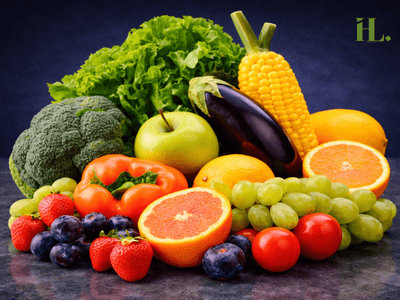
Some dark, leafy greens contain oxalates that can inhibit iron absorption, so instead of depending only on vegetables, it’s smarter to include a variety of sources to support better iron balance naturally.
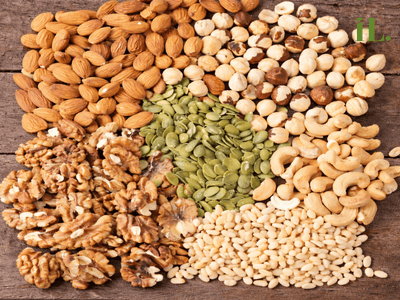
Nuts and seeds
- pumpkin seeds
- cashews
- pistachios
- hemp seeds
- pine nuts
- sunflower seeds
- variety of sources
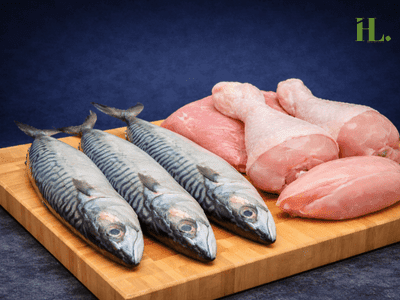
Meat and fish
- beef
- lamb
- venison
- liver
- shellfish
- oysters
- shrimp
- sardines
- tuna
- salmon
- halibut
- perch
- haddock
Beans and legumes
- kidney beans
- chickpeas
- soybeans
- black-eyed peas
- pinto beans
- black beans
- peas
- Lima beans
- iron-fortified cereals
- bread products
- orange juice
- rice
- pasta
- fermented grains
- sprouted grains
- anti-nutrient compounds
- break down
- negatively impact iron absorption
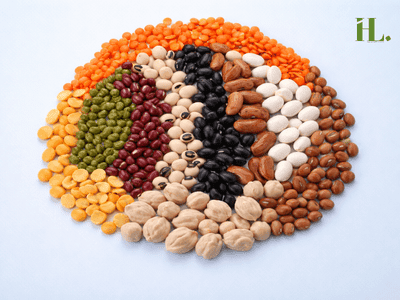
Starting with iron-fortified cereals, bread products, orange juice, rice, and pasta helps support better balance, and adding fermented grains or sprouted grains is useful because sprouting and fermenting break down anti-nutrient compounds that negatively impact iron absorption. Including legumes makes it easier to manage iron deficiency more effectively through daily meals.
Do’s and Don’ts While Following a Diet Plan for Iron Deficiency Anemia
Do’s:
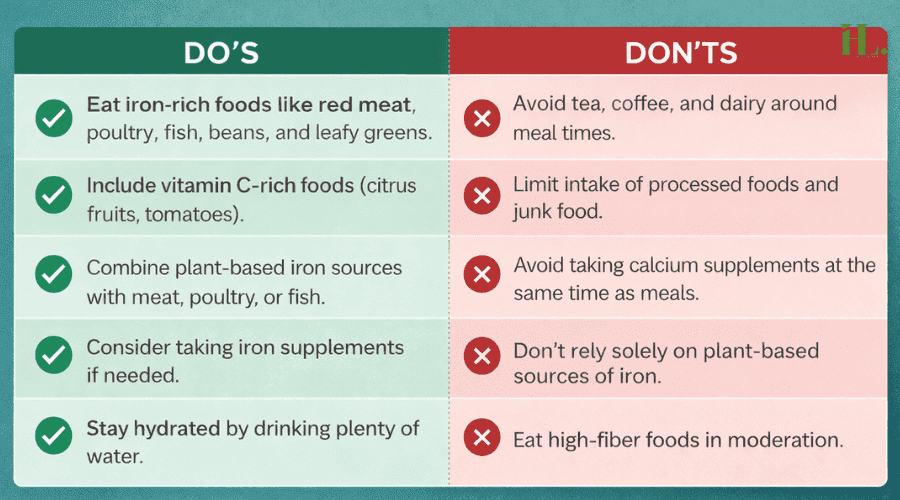
- Add green leafy vegetables, fruits, and vegetables daily to support higher iron intake naturally.
- Include pulses and legumes in your diet consistently because they keep the body nourished in a slow-release way.
- Choose lean red meat and liver for easily absorbed iron when you need a quicker response.
- Prioritize iron-rich food combinations that contain Vitamin C to improve the absorption of iron.
- Keep rotating food groups so you don’t depend on one form of iron source only.
- Taste test and track response weekly so you actually boost iron levels instead of guessing.
Don’ts:
- Avoid excess dairy products when consuming iron meals.
- Limit coffee, tea, and colas around meal timing.
- Don’t depend only on one single pillar of food; balance is where iron thrives.
How can I improve my Anemia fast?
Most people try adding foods rich in iron to their diet expecting results overnight, but realistically if you want to raise blood levels of iron fast in iron deficiency, you often need supplemental iron because not everyone can absorb iron strongly enough to shift toward healthy iron status quickly and some even require IV iron treatments depending on what the doctor suggests as the right treatment based on specific needs.
- Use smart strategies that maximize iron intake by pairing iron-rich foods with vitamin C
- Refrain from tea or coffee with meals
- Avoid eating foods rich in calcium during iron-focused meals
If your levels still don’t jump, a dietitian or healthcare professional may guide you toward a supplement made with ferrous salts like ferrous fumarate, ferrous gluconate, or ferrous sulfate, because iron dosage recommendations are always personal, and the effective form plus the right dose of iron is only chosen after assessing how your own body responds.