Over the years, Hair Fall Diet has been a significant concern, but I’ve learned that hair fall is an extremely common issue for both, especially among women. Yet, many overlook that it follows natural cycles of growth, transition, and shedding. Losing a certain number of strands on any given day is part of the body’s process, but when it becomes excessive, it signals an underlying problem. Understanding the cause of the issue, whether it is hormonal, stress-related, genetic, or medical, is the first step toward effectively treating and controlling it.
What I often recommend is to start by focusing on the Diet and lifestyle changes that support hair strength and prevent further damage. A balanced, nutritional plan can ensure that the scalp stays nourished, the roots remain strong, and the hair receives proper fortification. By adding key nutrients and making small adjustments, it’s possible to maintain a healthy scalp environment and provide the body with what it inherently needs. With the right control and preventive approach, you can live a life where your hair feels truly supported from within.
Table of Contents
Hair Fall Diet Chart
A Diet Chart for hair fall focuses on nourishing hair follicles from within by correcting nutrient gaps that weaken roots and slow growth. Including Protein-rich foods, iron, biotin, zinc, and omega-3 fatty acids helps reduce excessive shedding and supports stronger, thicker strands. Balanced meals also improve scalp health and blood circulation, which are essential for healthy hair growth over time:
| Best Hair Fall Diet Chart | ||
|---|---|---|
| Time | Vegetarian Choice | Non-Vegetarian Choice |
| 6:30 AM (Morning Drink) | Warm water with lemon or soaked fenugreek seeds (1 tsp fenugreek seeds) | Warm water with lemon and honey (1 glass) |
| 7:30 AM (Breakfast) | Option 1: Oats with chia seeds, almonds, and banana (1 bowl) Option 2: Multigrain paratha with curd (1 paratha, 1 cup curd) |
Option 1: Boiled eggs with avocado toast (2 eggs, 1 slice of toast) Option 2: Scrambled eggs with whole wheat toast (2 eggs, 1 slice of bread) |
| 10:30 AM (Snack) | A handful of nuts like almonds, walnuts, and seeds (chia, flaxseeds) | A small serving of grilled chicken (50g) with a side of cucumber slices |
| 1:00 PM (Lunch) | Option 1: Brown rice with dal and sautéed spinach (1 cup rice, 1 bowl dal) Option 2: Quinoa salad with paneer and mixed veggies (1 cup quinoa, 100g paneer) |
Option 1: Grilled fish (salmon or mackerel) with brown rice and spinach (150g fish, 1 cup rice) Option 2: Chicken curry with whole wheat flatbread and mixed salad (150g chicken, 1–2 flatbreads) |
| 4:00 PM (Snack) | Fresh fruit salad with berries, papaya, and apple (1 cup) | Greek yogurt with chia seeds and honey (1 cup) |
| 6:30 PM (Evening Drink) | Herbal tea with ginger or green tea (1 cup) | Coconut water (1 glass) |
| 8:00 PM (Dinner) | Option 1: Stir-fried vegetables with tofu (1 cup stir-fry, 100g tofu) Option 2: Mixed vegetable soup with flatbread (1 bowl of soup, 1–2 flatbreads) |
Option 1: Grilled chicken or fish with steamed vegetables (150g protein, 1 cup vegetables) Option 2: Chicken stew with whole grain bread (1 bowl stew, 1 slice bread) |
| 9:30 PM (Before Bed) | Warm milk with turmeric or chamomile tea (1 cup) | Warm milk with turmeric (1 cup) |
Best Nutrients for Hair Fall Diet
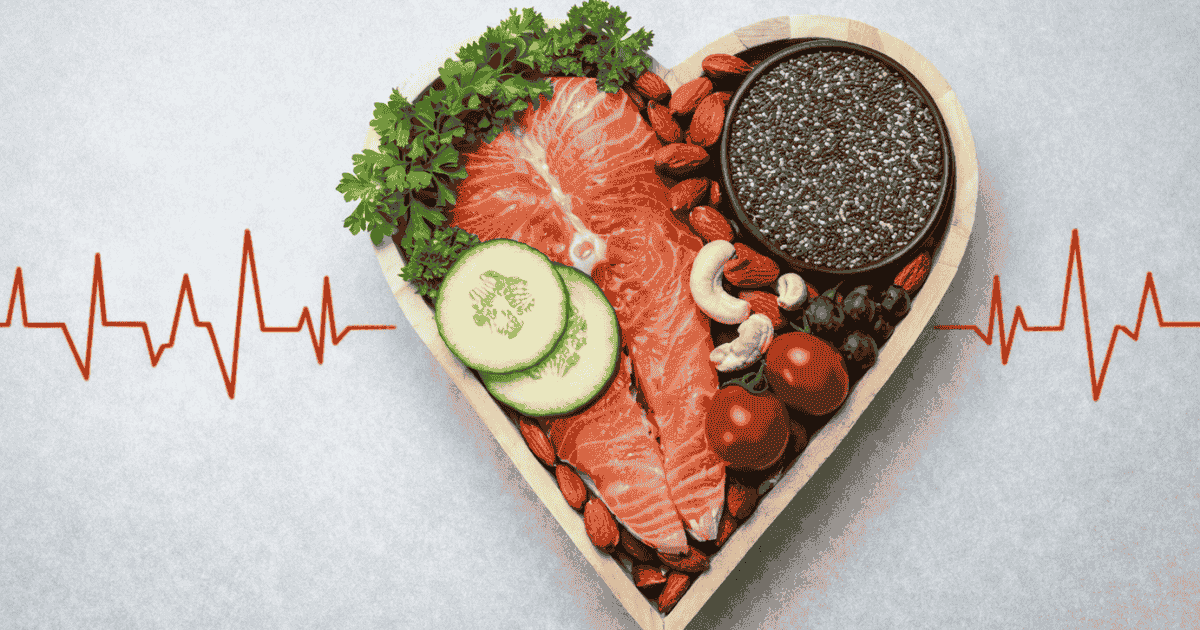
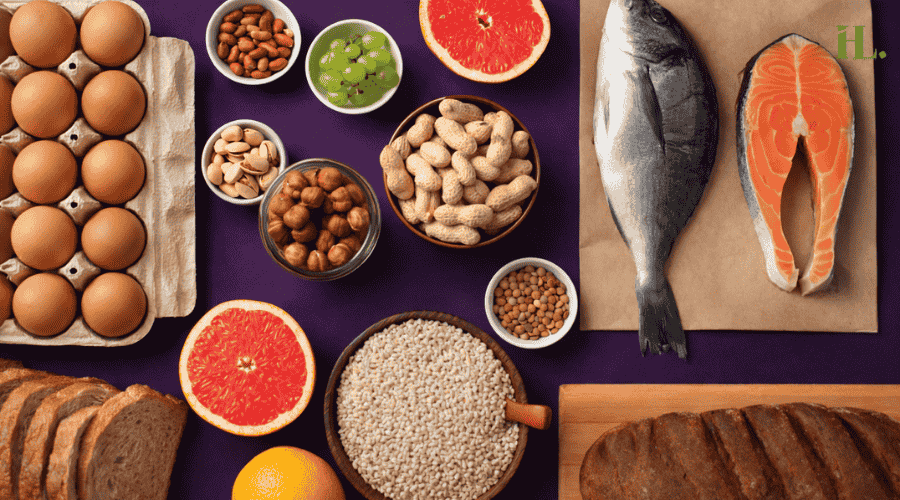
Here’s a systematically arranged list of foods I recommend to promote hair growth, strengthen strands, and maintain a healthy scalp Naturally:
- Protein: The building block of keratin, it makes hair strong and resilient. Include eggs, fish, lentils, and beans in your daily intake to keep your strands healthy and prevent breakage.
- Biotin (Vitamin B7): Essential for hair development and thickness. Found in almonds, whole grains, and nuts, it supports continuous growth and improves texture over time.
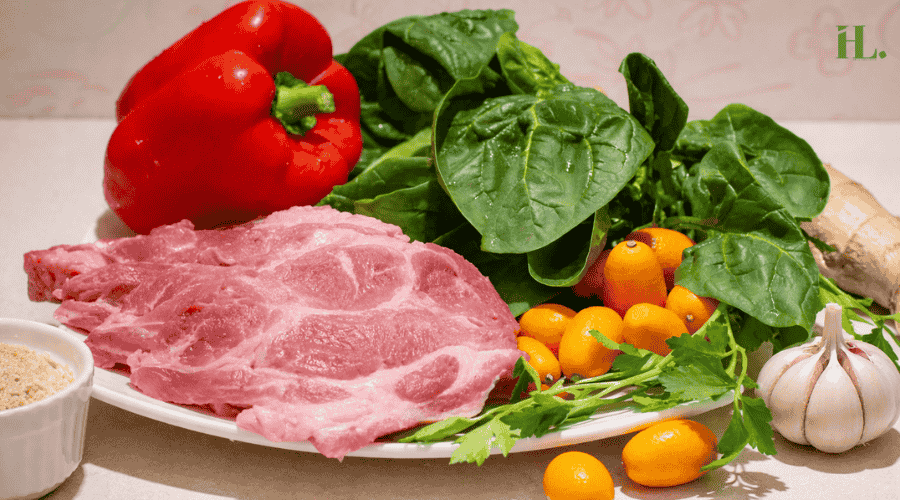
- Iron: Crucial for blood circulation to follicles, helping hair grow robustly. Include Spinach, lentils, and red meat to prevent deficiency-related hair thinning.
- Vitamin A: Promotes sebum production that keeps the scalp moisturized. Add sweet potatoes and carrots to your diet for natural scalp hydration.
- Vitamin C: The most important is Vitamin C, which helps in collagen strengthening and protecting strands from damage. Rich sources include Citrus fruits, berries, and bell peppers.
- Omega-3 Fatty Acids: Found in flaxseeds, chia seeds, walnuts, and fish, they nourish the scalp and maintain a healthy balance of natural oils.
- Zinc: Supports growth and repair of hair tissue. Include nuts and whole grains to fortify the scalp and prevent shedding.
Best Food for Hair Growth
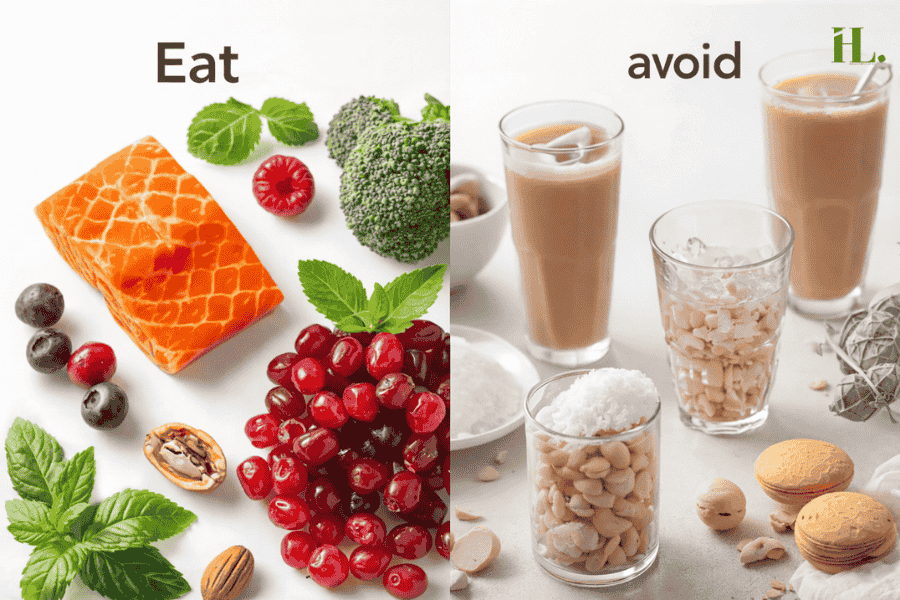
Here’s a list of foods I personally recommend to promote hair growth, nourish follicles, and prevent fall through balanced, nutrient-dense choices that strengthen strands and moisturize the scalp Naturally:
- Spinach: Packed with iron, folate, and vitamin C, it boosts blood oxygenation and stimulates hair growth while keeping roots strong.
- Eggs: A rich source of protein and biotin, both essential for the structure and strength of hair, helping to reduce loss and breakage.
- Sweet Potatoes: Contain beta-carotene, which the body converts into sebum, a natural oil that moisturizes the scalp and prevents dryness.
- Berries: Loaded with antioxidants and collagen, they are beneficial for producing stronger, shinier hair.
- Chia Seeds and Flaxseeds: High in omega-3 fatty acids, they reduce inflammation, improve circulation, and provide deep nourishment to the scalp.
- Avocados: Full of healthy fats, they balance the amount of oil on the scalp, enhancing smoothness and elasticity.
- Legumes (Lentils and Beans): Great plant-based sources of protein that prevent falls and rebuild the hair’s internal structure.
- Fish (Salmon, Mackerel, Sardines): Rich in fatty acids, they promote shiny, strong strands by supporting deep follicle nourishment and hydration.
Foods to Avoid for Healthy Hair
From my professional experience, avoiding certain foods is just as vital as adding nutrient-rich ones to ensure thicker, shinier, and stronger hair. Here’s what you should stay away from to protect your scalp health and prevent loss naturally:
- Sugar-Rich Foods: High sugar levels from sweet snacks and soft drinks can increase the risk of losing hair and developing a diseased scalp. Cutting back on them helps banish processed damage and supports better follicle strength.
- Fried Foods: These greasy meals can clog pores, cause loss, and reduce oxygen flow to the roots. Replacing them with leafy greens, eggs, nuts, and seeds promotes natural repair and healthy growth.
- Excessive Dairy: Too much dairy can trigger inflammation and dandruff, disrupting scalp balance and leading to unwanted shedding. Moderation keeps your scalp clear and well-nourished.
- Processed Carbs: Items like white bread, pasta, and baked goods spike insulin and may cause thinning over time. Instead, choose proteins, good fats, and vitamins through the inclusion of nutrient-rich foods that contribute to wonderful growth and maintain a healthy diet naturally.