If there’s one fat-soluble vitamins group the body needs quietly but consistently, it’s Vitamin K, a close-knit family best known for activating the protein prothrombin, a key driver of blood clotting, while also supporting bone metabolism through precise regulation; in practice, I’ve seen how even Vitamin K2 benefits and subtle dietary gaps can affect resilience, which is why understanding its two main forms matters more than most people realize.
At the food level, Vitamin K-1 (phylloquinone) occurs naturally in dark leafy green vegetables, making them the main dietary source, whereas Vitamin K-2 (menaquinone) appears in small quantities from organ meats and fermented foods, with gut bacteria contributing to its production, a balance that becomes especially clear when diet quality or digestion shifts.
Table of Contents
- 1 What is Vitamin K2?
- 2 Why Vitamin K2 Matters for Overall Health?
- 3 Vitamin K2 Benefits
- 4 Best Dietary Sources of Vitamin K2
- 5 Animal Based Sources of Vitamin K2
- 6 Can You Get Vitamin K2 on a Plant-Based Diet?
- 7 Vitamin K2 and Its Relationship With Vitamin D & Calcium
- 8 Signs You May Not Be Getting Enough Vitamin K2
- 9 Should You Consider a Vitamin K2 Supplement?
- 10 Frequently Asked Questions
What is Vitamin K2?
Vitamin K2, commonly found as MK-7, is a vital nutrient known for its role in body regulation and targeted nutrient function, especially in managing calcium distribution. It works by directing calcium toward bones and teeth while preventing buildup in the arteries, supporting balanced calcium metabolism and long-term mineral balance. This precise action is central to maintaining bone strength, skeletal health, and vascular protection, making vitamin K2 an important part of natural nutrition, overall health, and well-designed multivitamins that combine essential vitamins and minerals.
Why Vitamin K2 Matters for Overall Health?
Vitamin K2 quietly supports overall health through precise calcium regulation, helping maintain bone strength, bone density, and long-term skeletal support while also protecting cardiovascular health. As a fat-soluble vitamin, it supports protein activation, especially osteocalcin and matrix GLA Protein, which guide healthy calcium metabolism away from soft tissues. This process improves arterial flexibility, strengthens blood vessel health, and supports lasting heart protection by promoting reduced calcification. In practice, this balance becomes increasingly important with age, contributing to fracture prevention, lowering osteoporosis risk, and supporting graceful aging tied to longevity.
From a nutrition perspective, vitamin K2 improves metabolic balance and efficient mineral utilization, working in natural synergy with vitamin D and synergy with calcium to enhance nutrient absorption. I often see better results when natural nutrition, smart diet quality, and proper nutrient timing are combined with strong gut health, especially through fermented foods. When needed, well-formulated multivitamins that balance vitamins and minerals can reinforce vascular health, lifestyle health, and a proactive approach to preventive nutrition.
Vitamin K2 Benefits
Key Benefits of Vitamin K2 support the body’s natural calcium regulation, helping maintain strong bones while protecting cardiovascular health through balanced calcium metabolism. By activating essential proteins for vascular health and bone strength, Vitamin K2 plays a quiet yet powerful role in long-term overall health, aging support, and preventive nutrition:
Inflammation Responses
Vitamin K2 shows notable immunomodulatory effects by supporting immune system functioning and precise immune regulation, helping immune cells manage inflammatory responses through clear immune signaling and targeted inflammation pathways. In practice, this helps reduce inflammation, maintain immune balance, and promote a balanced immune response, which is especially valuable for chronic inflammatory conditions, effective inflammation control, and long-term immune health, strengthening overall immune health, daily immune support, and preventing chronic inflammation.
Disease Defense
Vitamin K2 functions as an essential nutrient that supports strong disease defense by reinforcing immune function and steady immune support, two pillars of long-term health maintenance. Emerging clinical studies suggest that thoughtful supplementation may help inhibit growth and limit metastasis, slowing cancer spread across various cancer types when paired with effective controlling inflammation. This dual role allows vitamin K2 to contribute to cancer prevention, support protection against inflammatory disorders, and aid disease progression prevention, strengthening a robust defense system for sustained optimal health.
Osteoporosis Prevention
Osteoporosis remains a prevalent issue in Western countries, especially among post-menopausal women, where rising fracture risk leads to frequent fractures driven by hormonal changes and declining bone density. In this context, vitamin K2 plays a crucial role in calcium metabolism, helping build strong bones and maintain bones, with growing research linking deficiency to a higher risk of bone loss and conditions like knee osteoarthritis and cartilage lesions.
Through activation of osteocalcin, a key protein that binds calcium into the bone matrix, vitamin K2 supports proper bone mineralization, improved bone strength, and measurable incidence reduction in hip fractures, vertebral fractures, and non-vertebral fractures. With adequate intake, it supports prevention strategies focused on long-term bone health and overall bone health, especially for aging populations.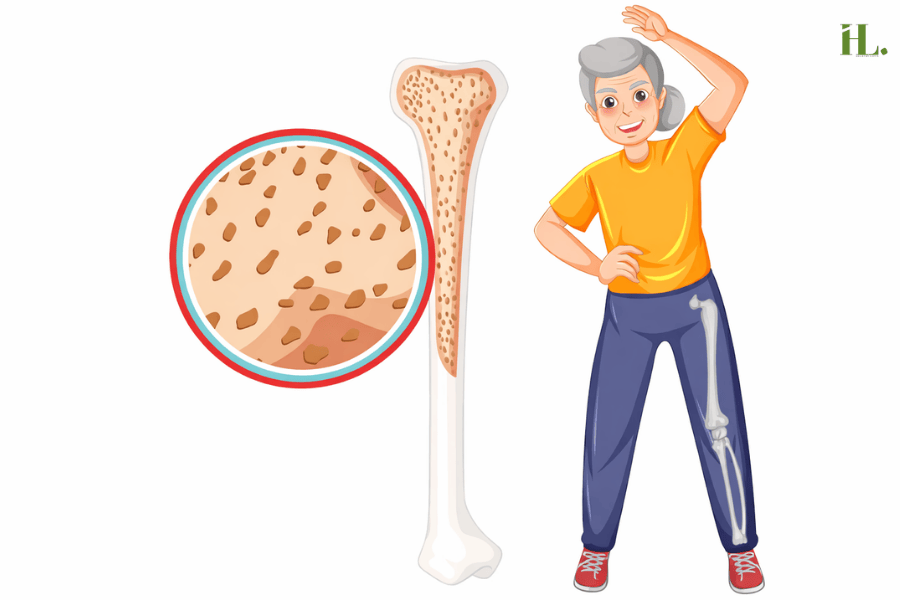
Best Dietary Sources of Vitamin K2
Vitamin K2 is mainly found in fermented foods and certain animal-based products, where natural fermentation or animal metabolism increases its availability. Including these foods regularly can help support bone and heart health through better calcium utilization:
Natto
Natto, a traditional Japanese dish made from fermented soybeans, is widely considered the richest source of vitamin K2, delivering around 150 micrograms in just one tablespoon, which makes meeting the recommended intake surprisingly easy. Thanks to natural fermentation, it supports gut health and good gut health while offering exceptional nutrient density and high nutrients from soybeans; in practice, even having it twice weekly keeps this powerful food readily available for those prioritizing digestive balance and bone-focused nutrition.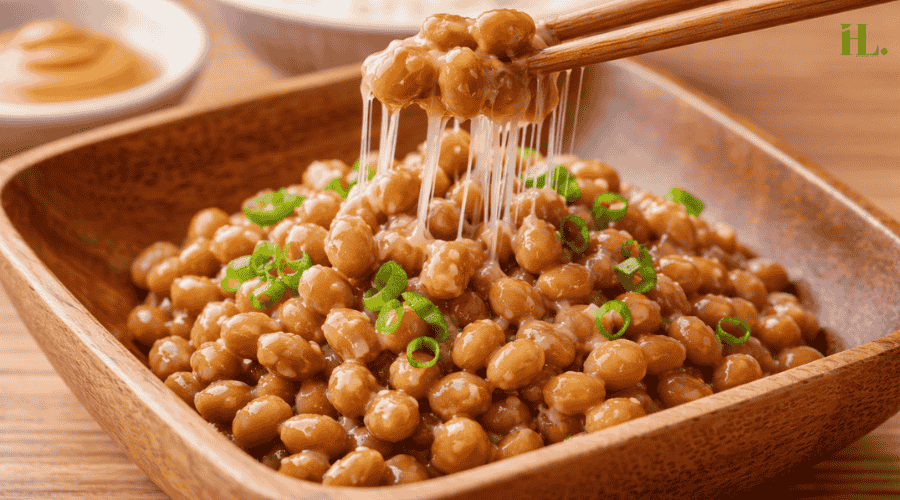
Animal Based Sources of Vitamin K2
Here are some Animal sources of Vitamin K2 that will be most beneficial for your health are:
Cheese
Cheese is one of the best sources of vitamin K2, providing key nutrients like calcium, vitamin A, and protein, though its calories and saturated fats mean moderate portions matter. vitamin K2 content varies by cheese type and often increases with age, with Munster (50 Mcg per 50-gram serving), Camembert (34 Mcg), Edam (32 Mcg), and aged Gouda (12 Mcg) ranking among common cheeses with the highest amount.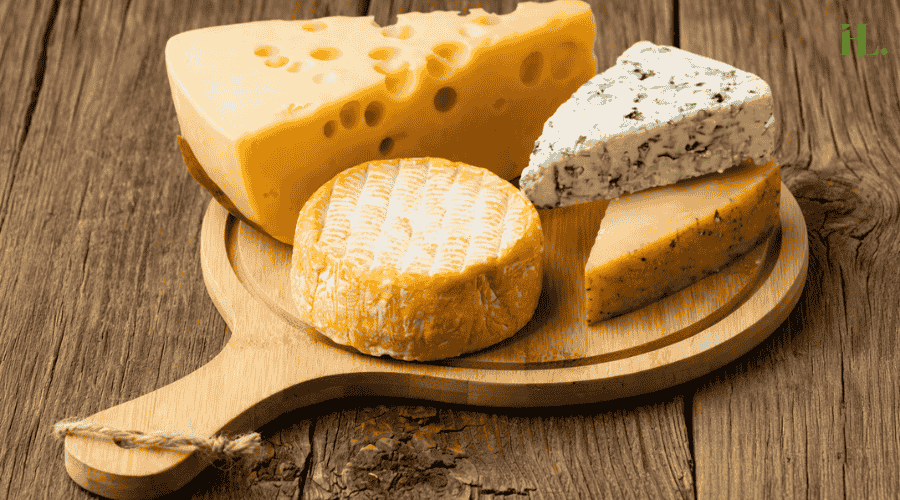
Beef Liver
Beef liver stands out among nutritious meat products as a best meat-based source of vitamin K2, delivering about 11 micrograms in a 100-gram serving, which helps support the daily requirement. Known for exceptional nutrient density, it also provides essential nutrients such as vitamin A, riboflavin, folate, and copper, making this meat-based source a powerful option for boosting overall vitamin content through whole-food nutrition.
Butter
Butter provides small but notable amounts of vitamin K2, offering about 2.1 micrograms per tablespoon, which also contains 11 grams of fat and roughly 100 calories. While it can contribute to intake, its calories and fat mean it’s best to keep servings small, as frequent large servings may increase potential health risks, including health risks linked to unwanted weight gain when balance is overlooked.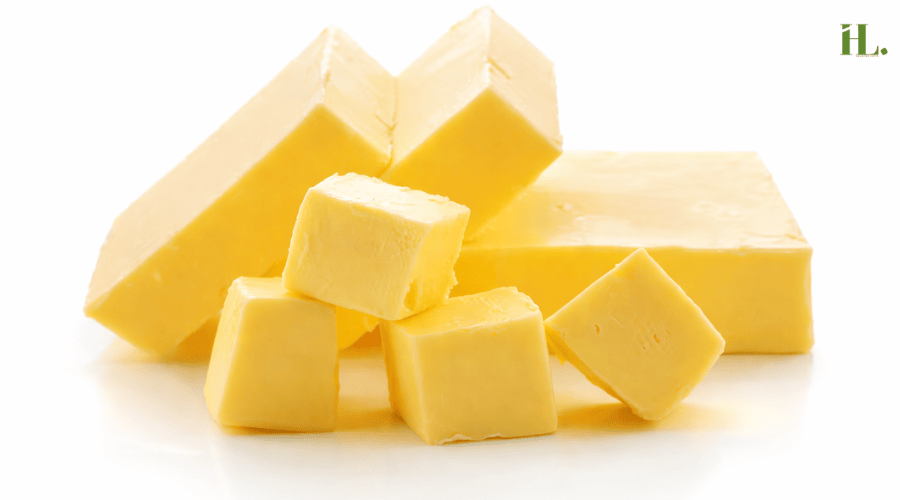
Egg Yolk
Egg yolk is a natural source of Vitamin K2, though its levels show clear amount variation, ranging from 67 micrograms up to 192 micrograms depending on the hen’s diet and what the hen eats. When chicken feed includes fortified feed, efficient nutrient transfer boosts egg content of vitamin K, while reliance on corn-based diets or soy-based diets can lower levels and raise vitamin K deficiency and overall deficiency risk.
Can You Get Vitamin K2 on a Plant-Based Diet?
Getting Vitamin K2 on a plant-based diet, including a vegan diet or supplements, can be challenging due to limited sources, with fermented foods like Natto made from soybeans being the most reliable option. Some support also comes from gut bacteria through bacterial conversion of vitamin K1, though conversion efficiency, bioavailability, absorption factors, gut health, and individual variation all affect real dietary intake. In practice, ensuring nutritional adequacy often requires smart nutrient planning, fortified foods, or supplementation via quality multivitamins that combine vitamins and minerals, helping maintain natural nutrition within a truly balanced diet.
Vitamin K2 and Its Relationship With Vitamin D & Calcium
Vitamin K2, Vitamin D, and calcium form a tight nutrient synergy that fine-tunes calcium metabolism and calcium regulation, directly supporting bone health, bone density, and long-term skeletal support. As fat-soluble Vitamins, K2 and D work together to improve absorption efficiency, helping the body use minerals more effectively. In practice, this coordinated nutrient interaction is essential for maintaining steady mineral balance as dietary needs change with age.
At the cellular level, Vitamin K2 drives protein activation of osteocalcin and Matrix GLA protein, guiding proper calcium deposition into bones while protecting cardiovascular health and arterial health. This balance is most consistent when supported by natural nutrition, smart dietary balance, or carefully chosen multivitamins that align key Vitamins and minerals toward optimal health.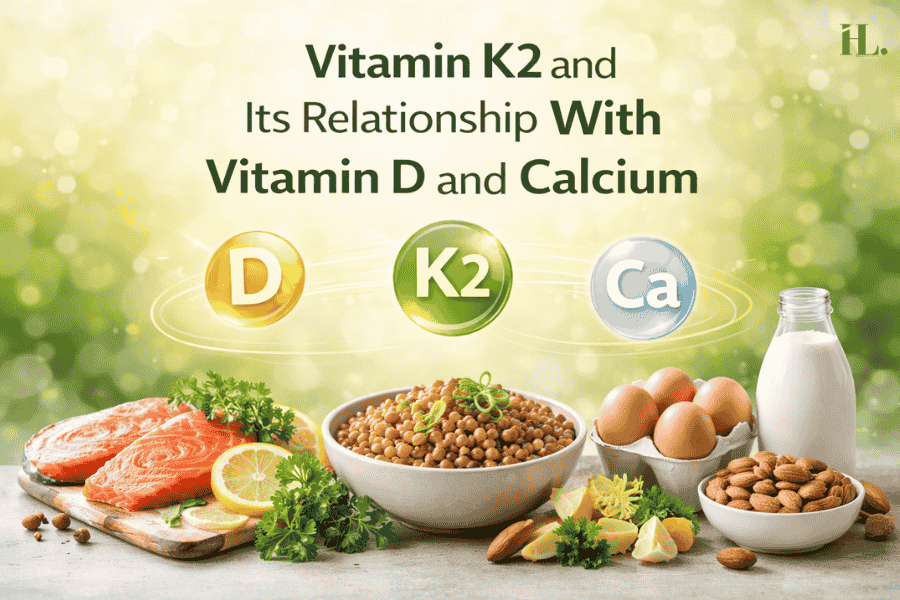
Signs You May Not Be Getting Enough Vitamin K2
A Vitamin K2 deficiency often develops quietly due to low intake, limited dietary sources, or gut health issues, leading to poor calcium regulation and subtle shifts in mineral imbalance that worsen with age. I commonly see this in aging adults and post-menopausal women, especially when absorption problems, fat-soluble Vitamin deficiency, or an imbalance with Vitamin D interfere with proper nutrient use.
- calcium misplacement, bone weakness, reduced bone density, fracture risk, osteoporosis risk
- joint discomfort, cartilage issues
- arterial calcification, cardiovascular concerns
- osteocalcin underactivation, matrix Gla protein inactivity
- dental health issues, tooth sensitivity
- bleeding tendency, bruising
Should You Consider a Vitamin K2 Supplement?
A Vitamin K2 supplement can be a smart option when dietary intake is inconsistent or limited dietary sources raise deficiency risk, especially for those seeking bone health support and cardiovascular support through better calcium regulation, absorption efficiency, and bioavailability. In practice, supplementation with MK-7 often suits individual needs, age-related needs, post-menopausal women, and older adults, particularly when gut health challenges, a plant-based diet, or reliance on fortified foods affect intake; paired thoughtfully with multivitamins that balance Vitamins and minerals, this approach leverages nutrient synergy, including Vitamin D interaction and calcium interaction, while careful dosage consideration, clear health goals, and proper medical guidance keep preventive nutrition focused and effective.